Zelfvoorzienend leven in de stad: nuttige tuintrends voor stedelingen
Living self-sufficiently in the city might seem like a distant Mediterranean dream, but it’s closer to reality than ever imagined. By drawing inspiration from the harmonious blend of terracotta, olive tones, and the seamless indoor-outdoor flow characteristic of the Mediterranean style, urban dwellers can create lush, productive gardens even in small spaces.
Belangrijkste punten
- Embrace the Mediterranean garden style with terracotta containers and olive-hued foliage.
- Maximize small urban spaces using vertical gardens and multi-purpose features.
- Enhance plant productivity with companion planting and strategic use of microclimates.
Embracing Mediterranean garden design
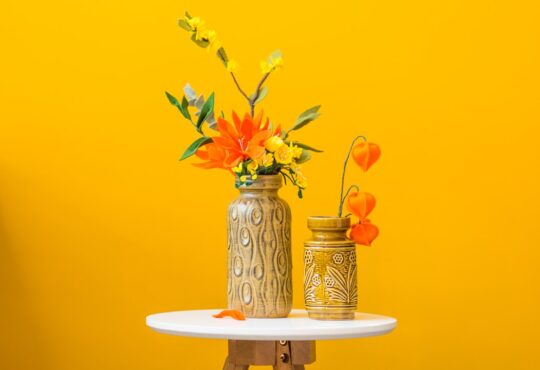
The Mediterranean garden style utilizes earthy terracotta pots and olive-toned foliage to create a calming, cohesive look. This aesthetic not only looks beautiful but also supports a functional and self-sufficient urban garden environment.
Mediterranean gardens are well-known for their emphasis on natural elements. Incorporating Geboortesticker / Raamsticker geboorte makes for personalized garden spaces without detracting from the overall natural appeal. Choose planters made of terracotta to help regulate plant temperatures. These containers are porous, allowing soil to breathe while maintaining adequate moisture levels for plants like citrus and herbs such as rosemary and thyme. Olive trees or bay laurels are also excellent additions, bringing both shade and an abundance of leaves for culinary use.
Vertical gardening solutions for urban spaces

Vertical gardening is the solution for maximizing verdant growth in small urban spaces. With walls and fences transformed into living green structures, balconies and patios can become productive paradises.
Using tiered terracotta pots or wall-mounted planters, urban gardeners can create a tapestry of greenery. Consider planting evergreen shrubs at the base for constant greenery, then layer seasonal blooms for color. Climbing plants such as jasmine or grape vines can provide not only aesthetic appeal but also much-needed shade during hot months.
Companion planting techniques
Companion planting maximizes both space and productivity in a garden, integrating plants that help each other thrive. This is especially useful in urban spaces where every inch counts.
Integrate herbs like basil and oregano with tomatoes; they not only deter pests but also enhance tomato growth and flavor. For those cultivating a Mediterranean herb garden, pairing rosemary with carrots or sage with brassicas can prove beneficial, promoting healthier and more productive plants. These combinations capture the essence of traditional Mediterranean agriculture, translating it into an urban setting.

Introducing water-smart practices
Mediterranean climates are known for their arid conditions, making water conservation crucial. Urban gardens can adopt these water-smart practices, ensuring sustainability and abundance.
Drip irrigation systems and
help manage water efficiently. Terracotta olla irrigation systems, traditional in Mediterranean regions, slowly release water to plant roots. This method is excellent for conserving water in small garden plots.
Creating outdoor-indoor flow
An uninterrupted transition between indoor and outdoor spaces enhances the functionality and aesthetics of urban homes. This concept of flow can be effortlessly achieved with Mediterranean-inspired design practices.

Open plan areas featuring large windows or French doors allow light to enter, creating a seamless visual connection with garden spaces. Incorporate potted Mediterranean plants like lavender or succulents both inside and out. This not only enriches indoor air quality but sustains the garden ambiance throughout the home. This approach aligns with sustainable living strategies, including reliance on sustainable energy sources in the Netherlands form an important pillar for a climate-neutral future.
Ambient lighting for urban oases
Ambient lighting transforms simple urban gardens into tranquil retreats. Proper lighting can enhance the juxtaposition of terracotta and greenery, highlighting the beauty of Mediterranean design.
Choose solar-powered lanterns or string lights to create an inviting glow after dark. Lighting up paths and seating areas not only ensures safety but also extends the usability of outdoor areas into the night, enhancing the garden as a space for relaxation and entertainment. Just as how ambient lighting in the bathroom supports a calming evening routine, garden lighting can offer solace and comfort.
Veelgestelde vragen
How do I start a Mediterranean-style garden in a city?
Begin with selecting terracotta pots and Mediterranean plants like olives, lavender, and rosemary. Use vertical spaces for additional planting and focus on creating a seamless indoor-outdoor flow.
What are the benefits of companion planting?
Companion planting enhances growth, repels pests, and makes efficient use of space. By pairing certain plants together, you can create a healthier and more productive garden.
How can urban gardens save water?
Adopt techniques like mulching, drip irrigation, and olla systems to conserve water effectively. These methods ensure plants receive adequate moisture without wastage.
Why is the outdoor-indoor flow important in urban gardens?
Creating an outdoor-indoor flow enhances space utilization, natural lighting, and plant growth, giving a continuous sense of nature inside and outside the home.
Embracing the urban Mediterranean dream
Adopting a Mediterranean-inspired, self-sufficient lifestyle in the city is both a journey and a reward. By utilizing terracotta, incorporating strategic plant combinations, and embracing the essence of indoor-outdoor harmony, urban dwellers can cultivate thriving gardens that serve both aesthetic and functional purposes. As we embrace these practices, we enrich our lives and stride towards a sustainable urban living model.