Creëer je eigen siertuin met lokale zomerbloeiers
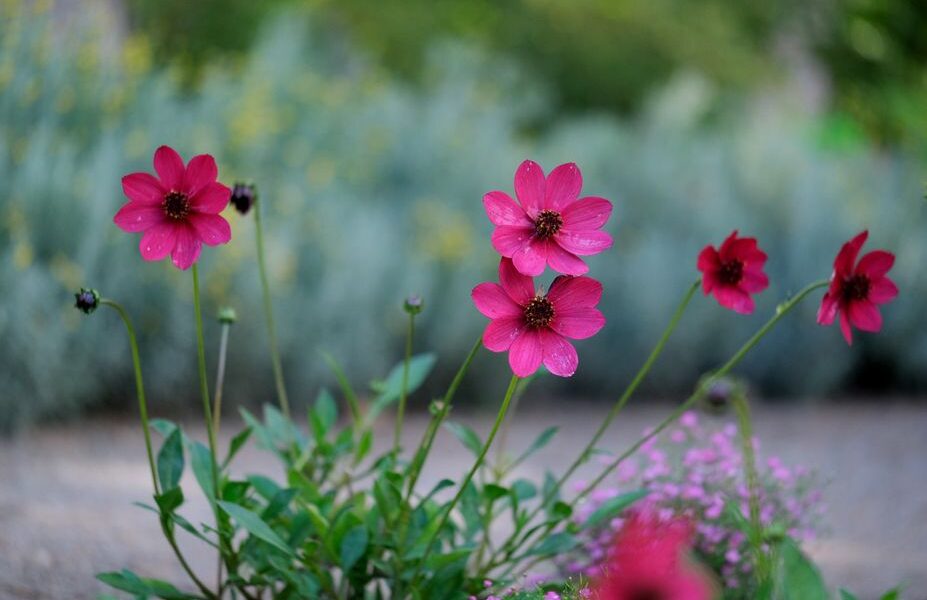
Creating your own ornamental garden with local summer bloomers can transform your outdoor space into a vibrant paradise. Utilizing plants native to your region promotes biodiversity and results in a garden that flourishes with less maintenance. Here’s how you can achieve a spectacular garden filled with stunning blooms that thrive in your local climate.
Belangrijkste punten
- Using local plants ensures easier maintenance and better growth.
- Group plants based on their sunlight and water needs.
- Incorporate a variety of plant heights and colors for visual interest.
- Consider pollinators when selecting your flowers.
Why choose local summer bloomers?
Local summer bloomers are naturally adapted to your climate’s conditions, making them robust and requiring less maintenance. They are more resistant to pests and diseases, which is a boon for gardeners who prefer organic methods. Moreover, native plants provide familiar habitats for local wildlife, contributing significantly to the ecosystem.
Opting for these plants helps maintain soil integrity and reduces the need for chemical interventions.
You can explore creative solutions like designing with the principles of harmony that blend with your space, ensuring your garden complements your overall home aesthetic.
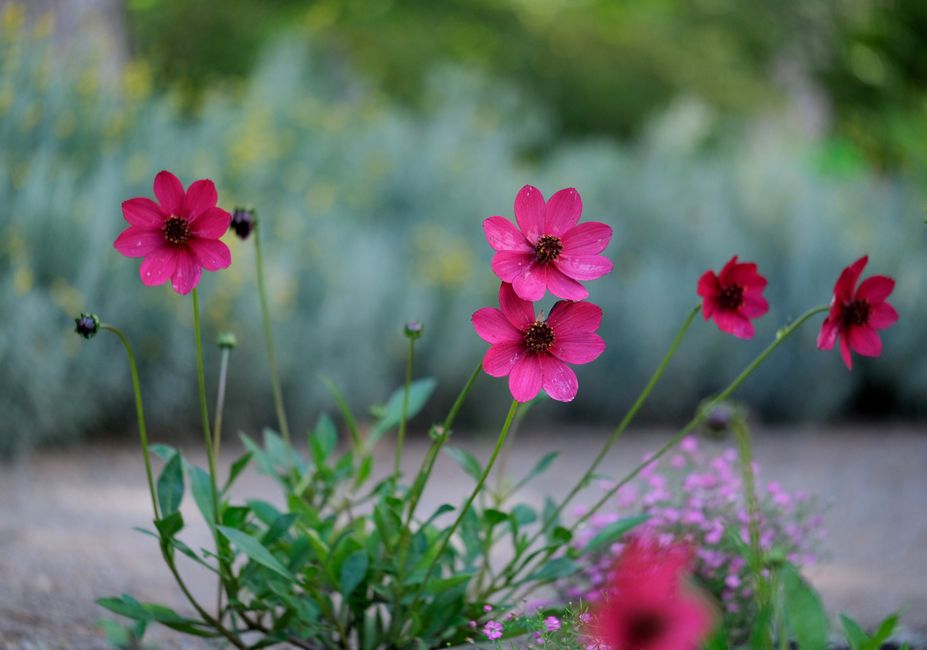
Selecting the right plants for your garden
When it comes to choosing the right plants, consider their color, blooming time, and the overall design of your garden. Begin with a plan that outlines plant placement, factoring in aspects such as light requirements and water needs.
Mixing a variety of species not only offers visual appeal but ensures a resilient eco-system. For instance, sun-loving plants like Echinacea and Black-eyed Susans can be contrasted with shade-preferring varieties like Hostas, offering a layered effect.
Integrate ideas like the guidance from biophilic design tips to create not just a garden, but a living ecosystem that can be a refuge from daily life.
Preparing the soil for planting success

Proper soil preparation is crucial for ensuring a thriving garden. Start by testing your soil to determine pH levels and nutrient content. Amending the soil with organic matter like compost will improve its structure and fertility.
Till the soil to aerate it and mix in the organic material. This prepares the bed for planting and ensures the roots have easy access to nutrients and water. For those utilizing space efficiently, consider raised beds which can offer better drainage and more controlled growing conditions.
Designing your garden layout
A well-designed garden not only looks great but facilitates plant health and biodiversity. Group plants with similar water and light needs together to make care more manageable. Consider each plant’s mature size to avoid overcrowding, which can lead to competition for resources.
Paths and seating areas provide a practical as well as aesthetic function, offering access to various garden areas. This approach integrates well with ideas like those found in “De groene oase in uw badkamer: biophilic design tips,” which emphasize natural and fluid designs.
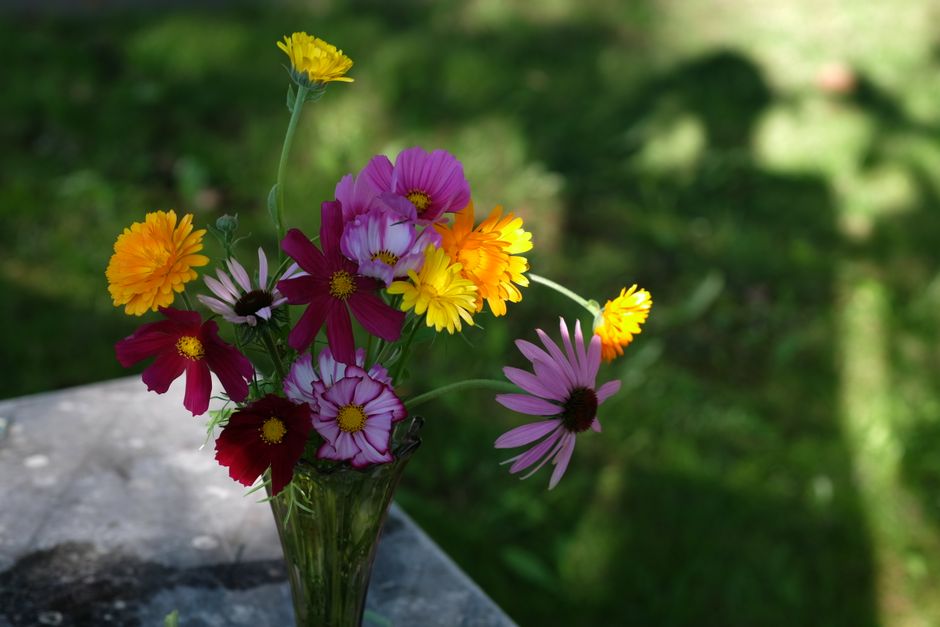
Maintaining your garden through the seasons
Regular maintenance is key to keeping your garden in top shape. This involves seasonal tasks such as pruning, weeding, and fertilizing. Local plants typically require less water, but regular mulching will help retain moisture and suppress weeds.
As your plants grow, watch for any signs of disease or pests early to manage issues before they escalate. Utilizing organic solutions and companion planting can reduce the need for chemical interventions, supporting an eco-friendly garden.
For a resilient setup, you may find inspiration from ideas such as those featured in “Verfris je terras met zelfvoorzienende plantenbakken,” which explore sustainable approaches to gardening.
Veelgestelde vragen
What types of local summer bloomers are best?
Opt for plants like Echinacea, Black-eyed Susans, and Liatris, which are known for being hearty and low maintenance.
How often should I water local plants?
Locally adapted plants often require less water, needing hydration only during dry spells. Mulching can help maintain moisture.
Which soil preparation is essential for planting?
Ensure soil is well-aerated and enriched with organic matter like compost to boost nutrient availability and improve drainage.
How can I attract pollinators?
Include a variety of flower shapes and colors that bloom at different times, like asters and coneflowers, to attract bees and butterflies.
The fruit of your labor
Creating a vibrant and sustainable garden using local summer bloomers enriches not only your home, but also your local ecosystem. By selecting plants that thrive naturally in your area, you reduce the need for excessive maintenance and support biodiversity. Through careful planning and nurturing, your garden will be a testament to the balance between nature and nurture, blooming brilliantly each year.