Wanddecoratie met driedimensionale fotokunst: creëer diepte en textuur
Three-dimensional photographic art on walls introduces both depth and texture to interior spaces, transforming ordinary rooms into visually captivating environments. As we navigate through 2026, this trend continues to surge in popularity, offering unique and personalized aesthetics for homeowners and designers alike.
Belangrijkste punten
- 3D photokunst adds depth and texture, creating dynamic interior spaces.
- Advancements in printing technologies have broadened the availability of customizable options.
- Proper lighting enhances the perceptibility of 3D art’s depth.
- This art form aligns with trends towards personalized, tailored interior spaces.
Understanding 3D photokunst
The term “3D photokunst” refers to the use of advanced photographic techniques to create images that give the illusion of depth and dimension. This art form utilizes layers, shadows, and juxtaposition of elements to deliver a striking visual experience. Unlike traditional flat photographs, 3D photokunst provides an immersive, textured quality that engages viewers on different sensory levels.
Technological advancements that make it possible
In 2026, technological advancements have significantly impacted the production and affordability of three-dimensional photographic art. Modern printing technologies, like large format and lenticular printing, allow for higher resolution images with intricate depth. This enables artists to experiment with new formats and designs, making 3D photokunst more customizable and accessible.
Lenticular printing, for example, employs a process where lenses are used to produce images with an impressive 3D effect or the illusion of motion. As technology advances, these techniques become more refined, offering precise manipulation capabilities for artists wishing to achieve specific visual outcomes.
Personalized expressions and unique designs
Three-dimensional photographic art provides a platform for personalized expression, offering homeowners and designers the flexibility to tailor designs to specific tastes and themes. With the rise of personalization in home decor, 3D art allows for bespoke installations that reflect individual personality and style. This capability aligns with the growing trend towards creating spaces that are uniquely tailored to an individual’s lifestyle.
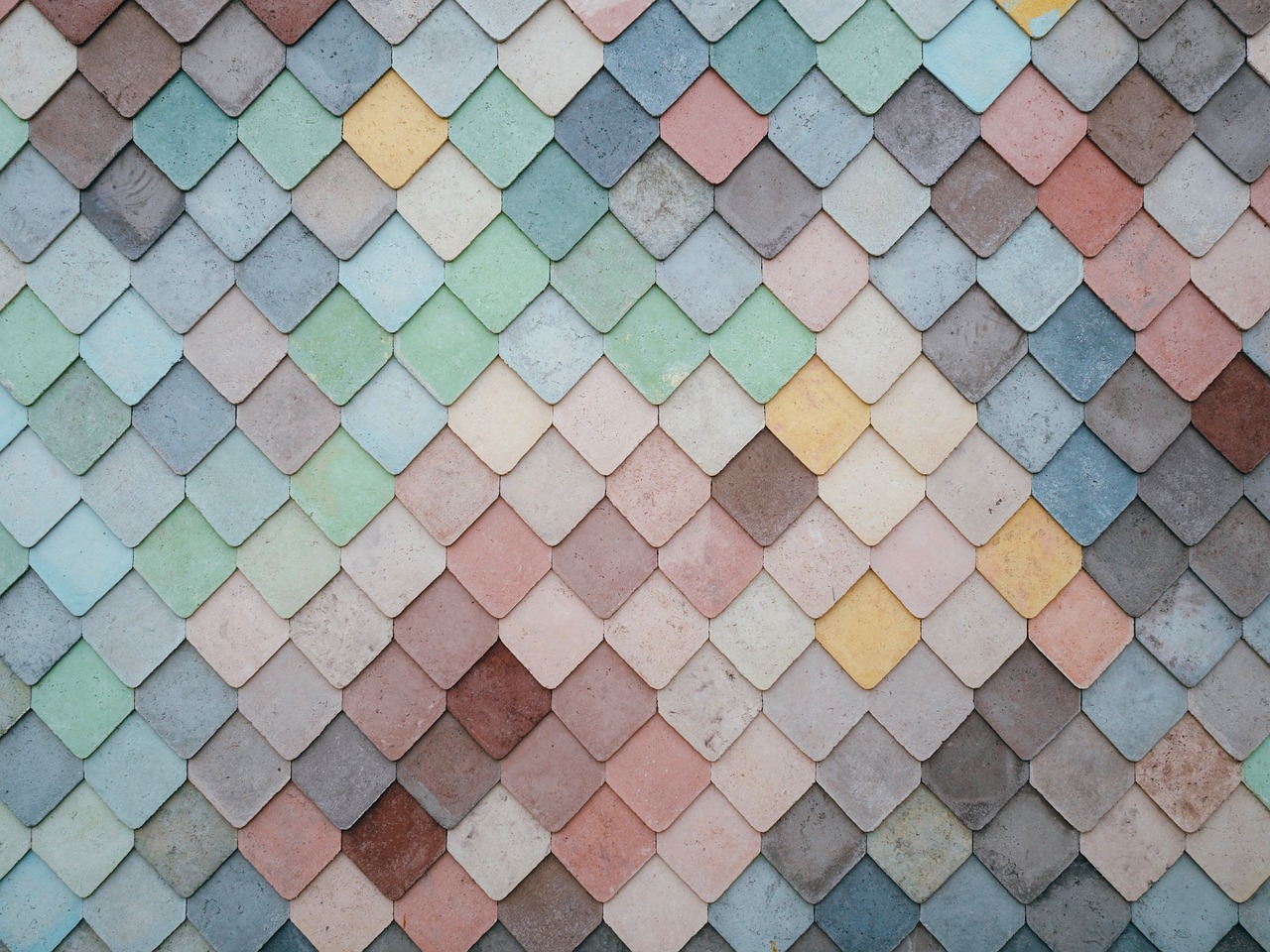
Whether choosing a family portrait rendered in 3D, landscapes that appear to stretch beyond the surface of the wall, or abstract geometric designs, the possibilities are endless. Companies providing this service often customize prints, enabling clients to select imagery that aligns with their personal aesthetics and the broader design style of their space. Ordering Gordijnen met foto bestellen is another way individuals are personalizing their home environment.
Impact on home environments
Integrating 3D photokunst into a home drastically enhances the living environment, creating an immediate focal point and altering the ambiance of a room. The depth and dynamism introduced by 3D art make spaces feel larger and more engaging. By playing with perspectives and textures, these artworks add a new layer of interaction within a space that is often lost with conventional two-dimensional artworks.
Strategically placed, these artworks can draw attention to specific areas, complementing other elements within the room and contributing to a cohesive interior design strategy. To explore how you might incorporate these elements harmoniously, consider the aspects discussed in More calm in the home arises when your kitchen is smartly organized.
Best practices for installation
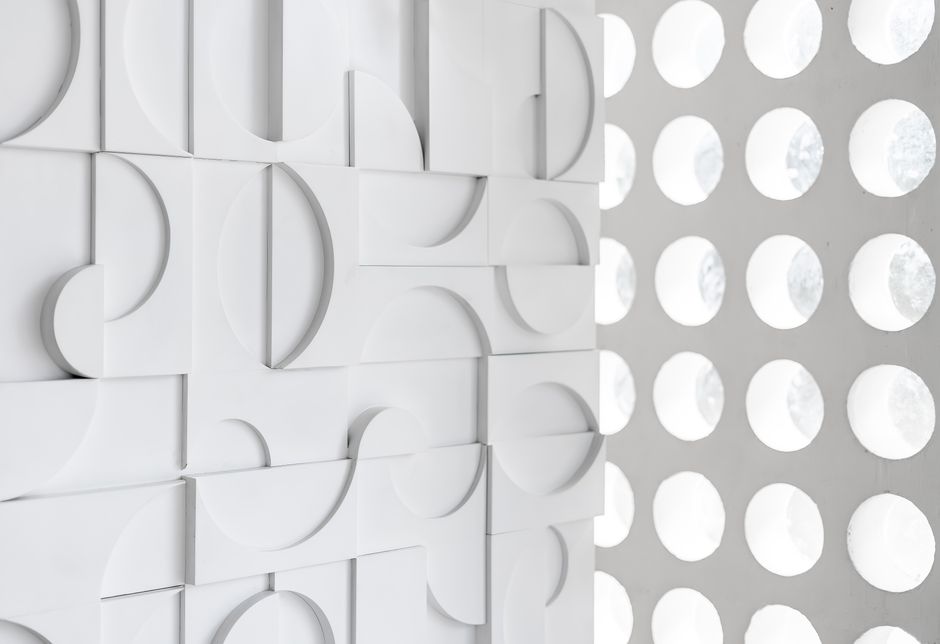
Successful installation of 3D photokunst involves more than just hanging a picture on the wall. Placement, lighting, and the interaction with surrounding design elements are critical in maximizing the artwork’s visual impact. A few key considerations can ensure the best outcomes in exhibiting 3D photographic art.
Positioning the artwork at eye level ensures optimal engagement, allowing viewers to appreciate the depth without straining. Furthermore, appropriate lighting enhances the 3D effects by accentuating shadows and dimensions. Soft, directed lighting can create nuanced contrasts that bring the artwork to life. Considering the broader design goal, like in De opkomst van circulaire keramiek in keukeninterieurs, helps maintain a consistent thematic approach.
Veelgestelde vragen
How does 3D photokunst create depth?
3D photokunst creates depth through techniques like overlapping elements, manipulating shadows, and utilizing print technologies like lenticular printing which add dimensional effects.
What types of images work well for 3D photokunst?
Landscapes, abstract designs, personal portraits, and nature scenes are popular choices for 3D photokunst due to their dynamic visual potential and engaging perspectives.
Can 3D photokunst be used in all rooms?
Yes, 3D photokunst can be adapted to most environments, but it’s essential to consider lighting and surrounding decor to maintain harmony in the space.
Does 3D photokunst require special maintenance?
Generally, 3D photokunst requires minimal maintenance, but it’s advisable to keep it free from excessive dust and direct sunlight to preserve its vibrant colors and integrity.
Adding depth to the design journey
Three-dimensional photographic art transforms walls from mere boundaries into canvases of dynamic expression, offering new ways to explore space and light. As we delve deeper into 2026’s interior design trends, 3D photokunst stands out as a unique method for adding personalized touch and elaborate depth to any environment. This art form is not merely a trend but a lasting enhancement that enriches the ambiance and interaction within a home.



1 COMMENTS