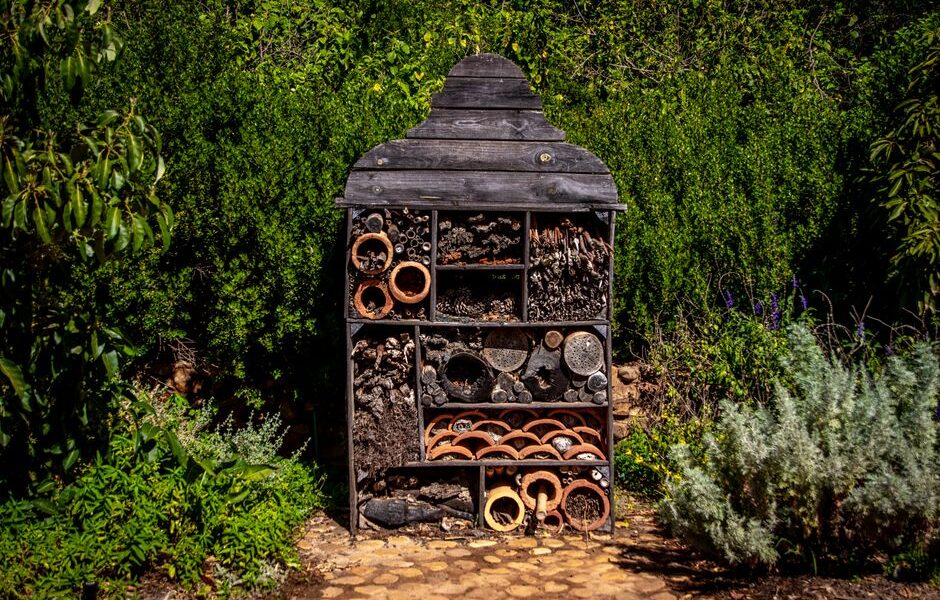
Insectenhotels en sociale tuinen: bevorder biodiversiteit in je eigen achtertuin
Biodiversity is not only for faraway rainforests and untouched wilderness— it starts right at home in your patio or back garden. One impactful way to enhance local ecosystems is by integrating insect hotels and social gardens into your backyard. In 2026, these concepts are more popular than ever, transforming urban landscapes into biodiversity hotspots.
Belangrijkste punten
- Insect hotels are crucial for providing shelter and breeding grounds for beneficial insects.
- Social gardens boost biodiversity while fostering community engagement and local food production.
- The integration of nature into urban spaces improves essential ecosystem services.
- Both approaches support sustainable gardening practices and enhance urban resilience.
- Encouraging biodiversity at home contributes to global environmental health.
What are insect hotels and why are they important?
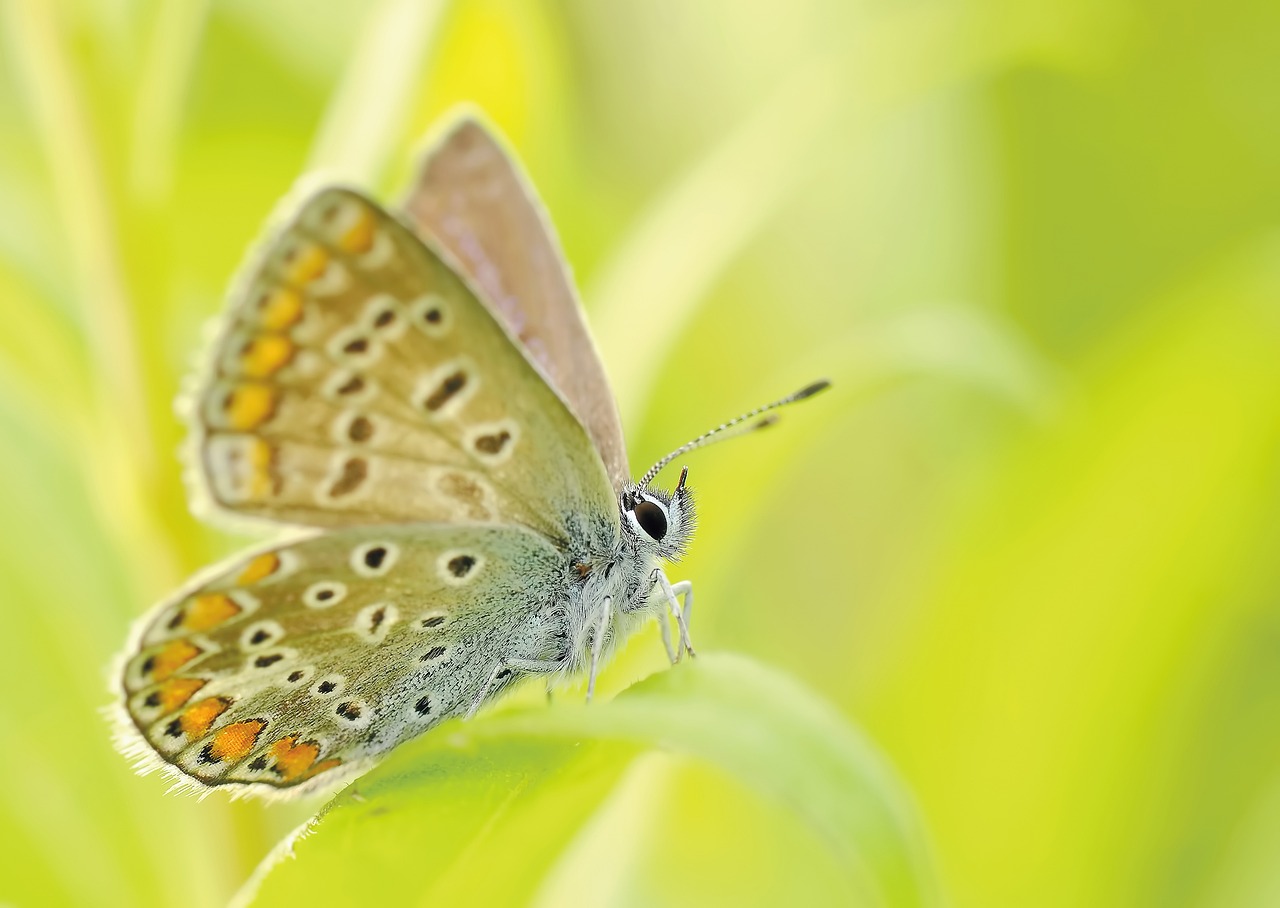
Insect hotels are specifically designed structures that offer refuge for a variety of insects. They are built using natural materials like wood, bamboo, and clay, tailored to attract beneficial bugs like bees, ladybirds, and butterflies. These habitats support essential ecological functions, such as pollination and pest control.
This enhances floral diversity and agricultural productivity as these insects help plants to reproduce efficiently. By providing a safe haven for these creatures, backyard gardeners play a pivotal role in the ecological balance.
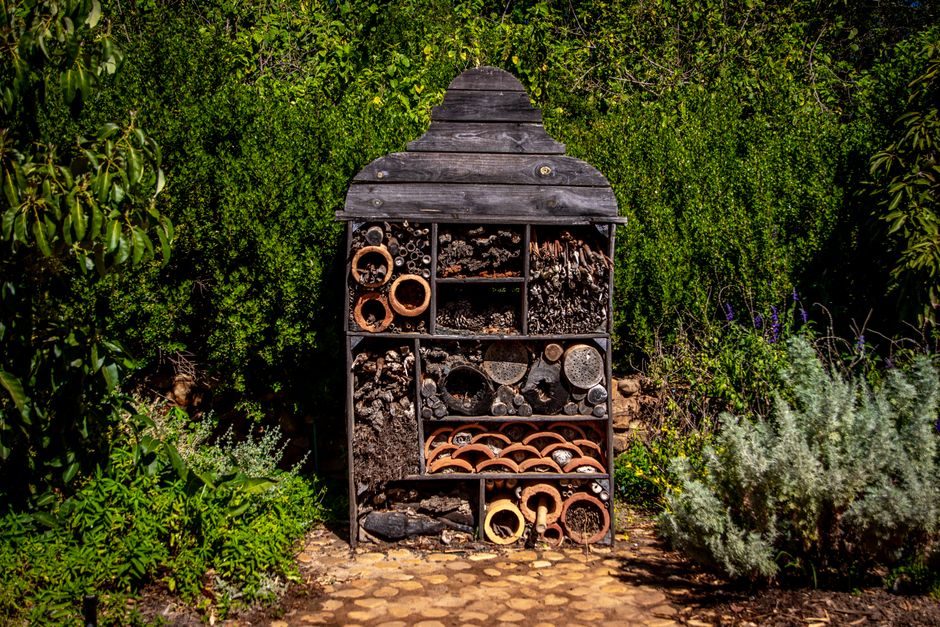
Insect hotels also help combat the decline of wild pollinators, a concern highlighted globally. As urban areas expand, joining community gardens and creative gardening initiatives can contribute significantly to replenishing the habitats of essential yet often overlooked creatures.
How to build and maintain an insect hotel
Constructing an insect hotel is an accessible DIY project that requires only a basic understanding of local insects’ needs. Start with designing a frame using sturdy, untreated wood, which can be as simple as stacking wooden pallets with gaps for habitat diversity. Fill the structure with materials like hollow reeds, straw, and dry leaves to mimic natural environments where insects thrive.
Maintenance involves regular checks to ensure the materials remain dry and clean to prevent mold. Replace any decayed wood or damp matter annually. Position the hotel facing south to benefit from the warmth of the sun. This simple act of gardening not only boosts your immediate natural environment but can also lead to more comprehensive eco-friendly lifestyle changes.
The role of social gardens in promoting biodiversity
Social gardens are collaborative gardening spaces that foster biodiversity and community interaction. By bringing people together, these gardens encourage sustainable practices and local food production.
These green spaces support various plant and animal life by integrating diverse crop species and native plants. Community members learn to appreciate the benefits of air-purifying plants like ferns, crucial for improving urban living conditions. The ripple effect of these gardens extends beyond direct biodiversity, inspiring a collective movement towards environmental stewardship.
Integrating insect hotels and social gardens
Combining insect hotels with social gardens enhances their impact on biodiversity. By integrating these two strategies, urban spaces can become thriving ecosystems that support both plant and insect life. Collaboration among community members boosts educational opportunities and propagates sustainable practices more efficiently.
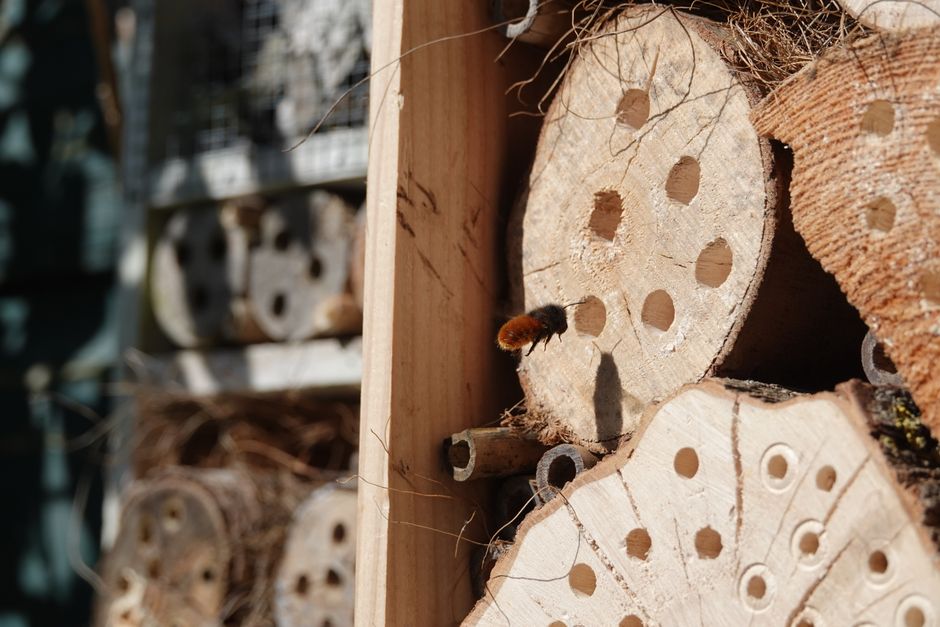
One practical approach is to incorporate these elements into educational programs within the community gardens. Workshops on building insect hotels and understanding plant-insect interdependence foster growth in green knowledge and conservation practices. Through these initiatives, local biodiversity corridors can flourish, providing sustaining resources to urban wildlife.
Measuring the impact of biodiversity initiatives
The success of biodiversity-promoting efforts is quantifiable through increased species diversity and ecological resilience.
These statistics confirm the efficacy of grassroots environmental efforts, highlighting that simple, combined strategies can have significant ecological impacts. Furthermore, they illustrate how urban gardeners complement larger conservation goals by mirroring natural ecosystems’ complexity in smaller scales. This connectivity ensures robust environmental health that transcends simple garden plots.
Veelgestelde vragen
What materials are best for insect hotels?
Natural materials like untreated wood, bamboo, and clay are best for insect hotels. They provide varied textures that cater to different insect species’ nesting preferences.
How do social gardens improve community health?
Social gardens enhance community health by providing fresh produce, promoting physical activity, and fostering a sense of community engagement and mental well-being through social interaction.
Can I maintain biodiversity in a small urban garden?
Yes, you can maintain biodiversity by choosing a diverse array of plants and creating habitats like insect hotels to cater to local wildlife. Small spaces can still support a wide variety of beneficial species.
Are insect hotels suitable for all climates?
Insect hotels can be adapted to suit most climates by choosing materials and placements that protect the insects from local weather conditions. They should always be positioned in a sunny spot to maximize effectiveness.
What are easy vegetables to grow in social gardens?
Easy vegetables for social gardens include tomatoes, radishes, and leafy greens like lettuce and spinach. They are quick to grow, making them ideal for community involvement and educational purposes.
Biodiversity at home: a mosaic of growth
Fostering biodiversity in your backyard through insect hotels and social gardens melds personal efforts with global conservation goals. It’s clear that even small steps can create ripple effects, nourishing local ecosystems and strengthening urban resilience. By collaborating with nature and community, gardeners contribute meaningfully to a greener, more harmonious future.





1 COMMENTS