
Een bibliotheekwand creëren: functionele leesruimtes voor lange zomerdagen
As we embrace the long, leisurely days of summer, crafting functional reading spaces in our homes becomes an enticing project. This task is particularly critical for those who work from home and seek to cultivate an environment that boosts productivity, comfort, and tranquility. Let’s delve into how we can artfully create a library wall that meets these needs, with an emphasis on ergonomic design, noise reduction, and style.
Belangrijkste punten
- Ergonomic setups help prevent strain during long reading sessions.
- Noise reduction techniques create a peaceful reading environment.
- Integrating natural tones contributes to a timeless design.
- Smart use of shelving maximizes space and organization.
- Multifunctional furniture can blend work and leisure seamlessly.
Ergonomic setup for comfortable reading
Designing an ergonomic space is essential for maintaining comfort during extended periods of reading. Ergonomic chairs and proper lighting can minimize physical strain. Consider investing in an adjustable chair that supports your back and allows for easy maneuverability. Brands like Herman Miller offer chairs with excellent lumbar support, though they can be pricey, ranging around $1,000. However, more affordable options are available that still provide the needed comfort.
Lighting is another crucial factor. A well-placed, adjustable reading lamp can reduce eye strain. Look for lamps with warm LED lighting, which are both energy-efficient and soothing to the eyes, enhancing your reading experience without creating harsh glare.
Noise reduction for a peaceful environment

Implementing noise reduction strategies is vital for maintaining focus in a home library. Noise-cancelling headphones or soft background music can provide a sanctuary of calm, drowning out distracting sounds. Additionally, insulating shelves with books can naturally buffer sound.
For those seeking to reduce noise more substantially, acoustic panels are a practical addition. Available in various styles, they can blend seamlessly with the rest of your decor. Adding such elements thoughtfully complements your space, balancing aesthetics with function.
Shelving solutions to maximize your space
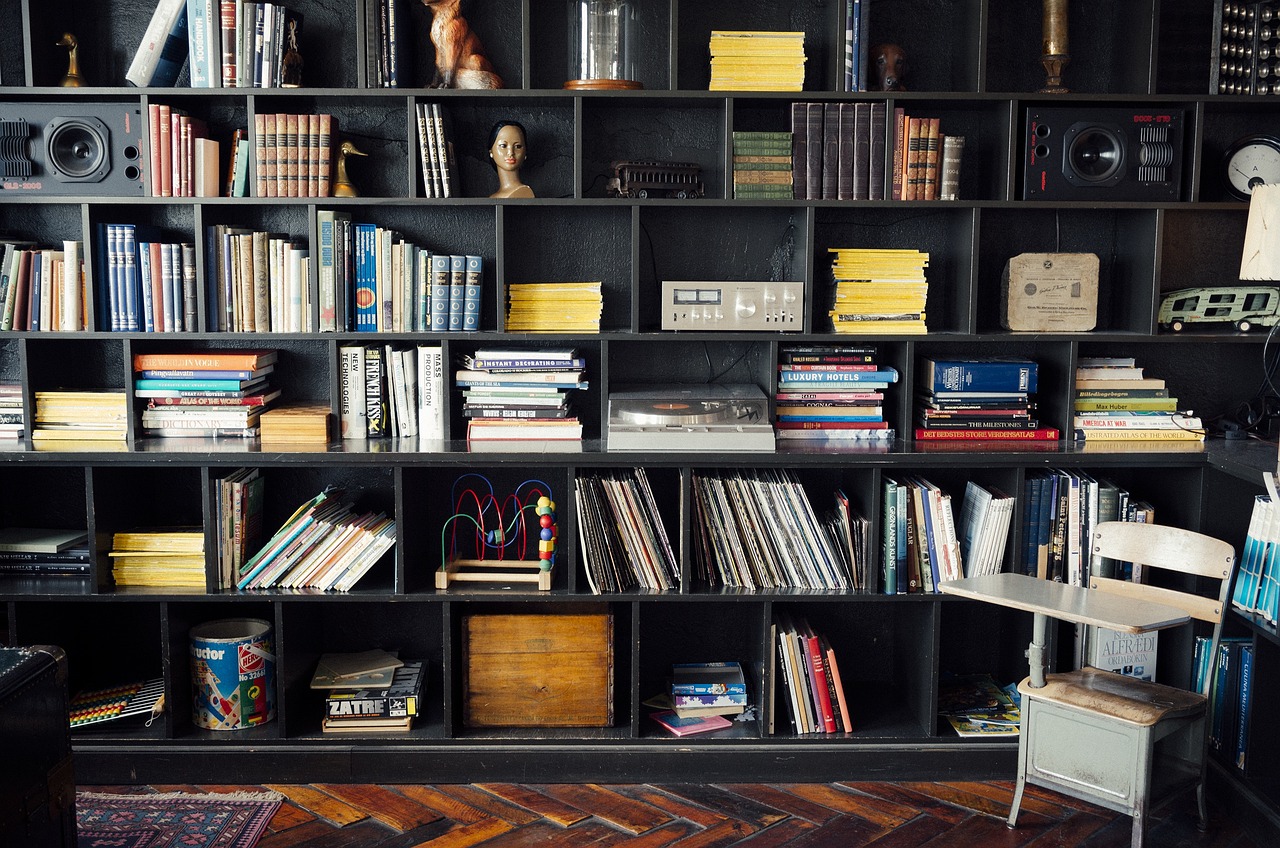
Choosing the right shelving is crucial for assembling an efficient and aesthetically pleasing library wall. Utilize vertical space to maximize storage without overwhelming the foot area. Modular shelving units can accommodate growth and changes, allowing you to expand your collection seamlessly.
Consider wall-mounted shelves for a sleeker appearance, and use adjustable shelves to accommodate different book sizes. A combination of open shelves and cabinets can offer both display and hidden storage options. This kind of setup not only satisfies functional needs but also boosts the room’s visual appeal.
Incorporating natural elements
Integrating natural elements into your library wall can cultivate a calm, timeless atmosphere. Subtle green plants not only enhance air quality but also add a touch of tranquility. Real or faux, they introduce organic beauty and softness to your space.
Opt for natural wood tones for shelving to create warmth. You might consider using eco-friendly materials or repurposing vintage furniture to maintain an environmentally conscious design approach. By blending these natural tones, you create a peaceful and inviting place to read and work.
Multifunctional furniture for work and leisure
Incorporating multifunctional furniture into your library setup allows for seamless transitions between work and relaxation. A sturdy desk that doubles as a reading table offers flexibility. Ensure it has proper height and space for both laptop use and book placement.

Sofa beds or convertible chairs can serve dual purposes, making your reading space a cozy corner for afternoon naps or entertaining guests. Keep an eye on the comfort level and durability of such pieces to ensure they withstand frequent use.
Ideal lighting choices for every reading nook
Lighting sets the mood and affects the productivity of your reading space. Natural light is ideal, so position your library wall near windows if possible. Supplement this with flexible lighting solutions like dimmable floor lamps and table lamps, which allow you to adjust the intensity based on your reading needs.
Smart lighting systems also offer remote control, enabling you to adjust settings effortlessly, enhancing both practicality and comfort in your space.
Veelgestelde vragen
How can I improve the sound quality in my reading room?
Install acoustic panels or use thick carpets and curtains to absorb sound. These steps help create a quieter environment conducive to focus and relaxation.
What types of shelving are best for a home library?
Consider modular or wall-mounted shelves for flexibility and space efficiency. Use a mix of open and closed storage to balance display with organization.
Why is task lighting important in a reading area?
Task lighting reduces eye strain and enhances focus. Adjustable and dimmable lighting provides the right intensity for different times of the day.
What are low-cost options to reduce noise in a home library?
Using thick curtains, rugs, and upholstered furniture can help minimize noise without requiring expensive renovation.
Can I incorporate technology into my library design?
Yes, consider smart lighting or integrated charging stations within desks to create a high-tech yet cozy ambiance.
Crafting Your Perfect Nook For Productivity And Leisure
Creating a library wall at home is more than just filling shelves with books; it’s about building a sanctuary that supports productivity and leisure, especially for those who work from home. By focusing on ergonomic furniture, noise reduction, and integrating natural elements, you can transform any space into a multifunctional haven of peace and efficiency.