How do you use window treatments to subtly diffuse daylight
The strategic application of window treatments offers a nuanced approach to managing natural light within interior spaces. Rather than outright blocking incoming daylight, diffusion aims to soften its intensity, distribute it more evenly, and mitigate unwanted effects such as glare and heat gain. This process transforms harsh, direct light into a more ambient, comfortable illumination, enhancing both the aesthetic and functional qualities of a room.
To effectively diffuse daylight, one must first grasp the optical principles at play. Diffusion, in this context, refers to the scattering of light rays as they pass through or reflect off a material. This scattering reduces the intensity of direct light and redirects it in multiple directions, creating a broader, softer illumination.
Material Properties for Diffusion
The choice of material is paramount in achieving effective light diffusion. Different materials possess varying degrees of translucency, opacity, and surface texture, all of which influence how light interacts with them.
Translucent Materials
Translucent materials, such as frosted glass, sheer fabrics, or certain plastics, allow light to pass through but scatter it extensively, obscuring direct visibility. The key characteristic here is their ability to break down the highly directional nature of sunlight into a more dispersed form. The degree of translucency in a fabric, for instance, is often measured by its openness factor, which indicates how much light and view it permits. A higher openness factor means less diffusion and more direct light penetration.
Opaque Materials with Diffusive Surfaces
While opaque materials block light entirely, their surface texture can be leveraged for indirect diffusion. For example, a roller blind with a matte, light-colored surface positioned to reflect light upwards onto a ceiling can diffuse light throughout a room. This method utilizes reflection rather than transmission, but the end result is a softened, indirect illumination. The reflectivity and color of the surface play significant roles in how effectively light is bounced and dispersed.
Light-Scattering Coatings and Films
Specialized coatings and films can be applied to existing windows to achieve diffusion without the need for additional treatments. These films contain microscopic particles or textures that refract and scatter light as it passes through the glass. They can be particularly useful in situations where preserving the existing window aesthetic is a priority, or where a permanent, low-maintenance solution is desired. Such films can also offer additional benefits like UV protection and privacy.
The Role of Color and Reflectivity
The color and reflectivity of window treatments profoundly impact how light is diffused. Lighter colors tend to reflect more light, contributing to a brighter, airier feel, even when diffusing. Darker colors, conversely, absorb more light, which can create a more subdued atmosphere but potentially reduce the overall light levels considerably. Highly reflective surfaces, while not strictly diffusing in themselves, can be strategically employed to redirect light to other surfaces or deeper into a room, where it can then be diffused by other elements. For instance, a white, reflective internal surface of a cellular shade can reflect light upwards, bouncing it off a light-colored ceiling for broader, diffused illumination.
When considering how to use window treatments to subtly diffuse daylight, it’s also beneficial to explore related design concepts that enhance the overall ambiance of your space. For instance, an insightful article on how to bring life to your interior with shine and depth can provide additional inspiration. You can read more about it in this article: “How to Bring Your Interior to Life with Shine and Depth“. This resource may offer creative ideas that complement your approach to managing natural light in your home.
Window Treatment Types for Subtly Diffusing Daylight
Various window treatment types are inherently suited for diffusing daylight due to their structural and material properties. Each offers a unique balance of light control, privacy, and aesthetic appeal.
Sheer and Semi-Sheer Curtains
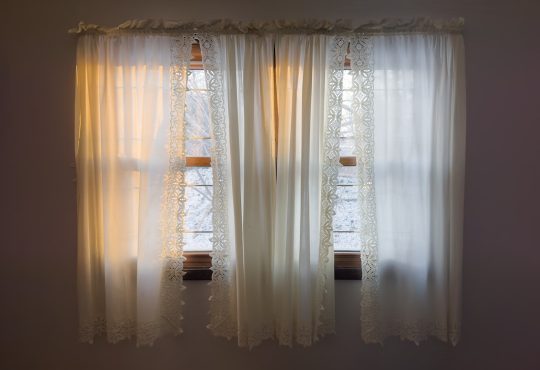
Sheer and semi-sheer curtains are archetypal diffusers. Their loosely woven fabrics allow a significant amount of light to filter through while effectively blurring harsh edges and reducing glare.
Fabric Choice and Weave Density
The density of the fabric weave is the primary determinant of diffusion capability. A more open weave allows for greater light penetration and a milder diffusion effect, while a denser sheer fabric will scatter light more thoroughly, providing more privacy and a softer glow. Natural fibers like linen and cotton, or synthetic blends, can be chosen for their aesthetic qualities and light-filtering performance. The texture of the weave itself, whether smooth or slubby, also contributes to the quality of diffused light, adding subtle visual interest.
Layering Techniques
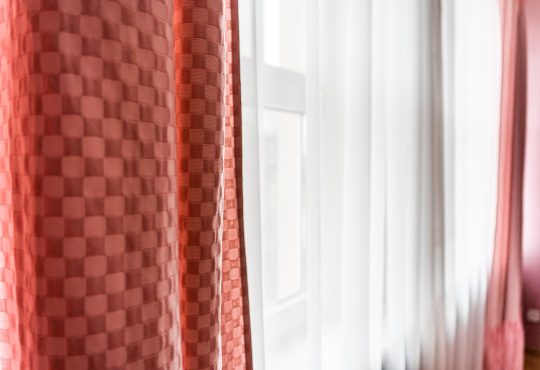
For enhanced control, sheer curtains can be layered with other window treatments. A common strategy involves pairing them with opaque drapes or blackout blinds. This allows for the flexibility to utilize the sheers for gentle diffusion during the day and then draw the heavier treatments for complete privacy and light blockage as needed. This layering creates a dynamic light control system, adaptable to various times of day and privacy requirements. For example, during midday, the sheers can soften direct sunlight, and in the evening, the opaque drapes can be closed to maintain privacy and darkness.
Roller Blinds and Shades with Translucent Fabrics
Roller blinds and shades, often associated with complete light blockage, are also available in a wide array of translucent fabrics specifically designed for diffusion. They offer a clean, minimalist aesthetic.
Openness Factor
As previously mentioned, the openness factor is critical for roller shades. It dictates the amount of light and view allowed through the fabric. For diffusion without sacrificing too much natural light, fabrics with an openness factor between 1% and 5% are frequently recommended. A higher openness factor provides a clearer view and less diffusion, while a lower factor offers more privacy and a stronger diffusion effect. This metric helps in selecting the right balance for a specific room’s needs, considering factors like direct sun exposure and desired privacy levels.
Light Filtering vs. Room Darkening
It’s important to distinguish between “light filtering” and “room darkening” translucent fabrics. Light-filtering fabrics primarily focus on diffusion, allowing a soft glow to permeate the space. Room-darkening fabrics, while still technically translucent, are designed to significantly reduce light levels, often creating a dim atmosphere without complete blackout. The distinction lies in the intent: light filtering aims to enhance natural light, while room darkening aims to reduce its intensity.
Cellular Shades (Honeycomb Shades)
Cellular shades are highly effective at diffusing light while also providing superior insulation. Their unique honeycomb structure traps air, offering thermal benefits in addition to light control.
Single vs. Double Cell Construction
Cellular shades come in single, double, and even triple cell constructions. While the primary benefit of multiple cells is increased insulation, they also influence diffusion. Multi-cell constructions tend to offer slightly better light diffusion due to the increased layers for light to pass through, though the primary light diffusion comes from the fabric itself. The larger the “cell” or “honeycomb,” the more structured and perhaps less consistent the diffusion might appear in certain lighting conditions, though this effect is generally subtle.
Top-Down/Bottom-Up Operation
The top-down/bottom-up feature of cellular shades offers unparalleled control over light diffusion and privacy. By lowering the shade from the top, one can bring natural light deeper into the room while maintaining privacy at the lower portion of the window. Conversely, raising the shade from the bottom allows for privacy at eye level while still letting light stream in from the top. This functionality creates a dynamic “light shelf” effect, allowing diffused light to be directed precisely where it’s needed while effectively blocking harsh direct rays.
Woven Wood and Natural Fiber Shades
Woven wood and natural fiber shades, crafted from bamboo, reeds, or grasses, offer an organic aesthetic while providing inherent light diffusion properties.
Weave and Material Density
Similar to sheer fabrics, the density and pattern of the weave in woven wood shades dictate their diffusion capabilities. Looser weaves allow more light through with a gentle softening effect, while tighter weaves offer more privacy and a more complete diffusion. The natural variations in the fibers themselves also contribute to a unique, textured quality of light. Some woven wood shades come with an optional privacy liner, which can further enhance diffusion and provide more privacy when needed.
Light Gap Management
One characteristic of woven wood shades is the potential for light gaps where the individual fibers intersect or where the shade meets the window frame. These small gaps can allow slivers of direct light to penetrate. While often part of their rustic charm, for more deliberate diffusion, consider shades with tighter weaves or those designed with minimal gaps. Careful installation can also minimize these gaps, ensuring a more uniform diffusion.
Strategic Placement and Operation for Optimal Diffusion
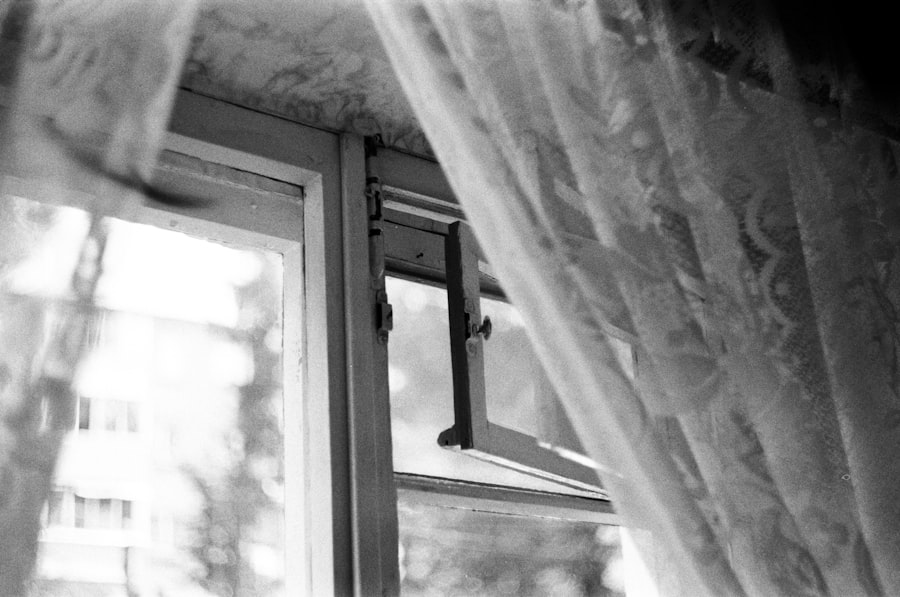
The effectiveness of any window treatment for light diffusion is not solely dependent on the material and type but also on how it is positioned and operated throughout the day. Like a conductor guiding an orchestra, you can sculpt light’s presence in your space.
Upper Window Treatments (Valances, Cornices) and Light Shelves
While not directly diffusing light themselves, upper window treatments and dedicated light shelves can play a crucial role in directing and shaping incoming light, which can then be diffused by other means.
Indirect Light Reflection
A light-colored cornice or valance can act as a reflective surface to bounce light upwards onto the ceiling, especially when the window treatment below it is partially open or translucent. This reflected light then disperses throughout the room, creating an overall brighter and softer environment. Similarly, a properly angled light shelf outside the window can redirect direct sunlight upwards, where it can be diffused by the ceiling and penetrate deeper into the room without harsh glare.
Minimizing Light Spill
Upper treatments can also help contain diffused light and prevent “light spill” at the top of the window, ensuring a more uniform distribution of light across the entire window area. This subtle framing effect can enhance the perceived tidiness and control of the window treatment overall.
Adjusting Treatments with Sun Path
The sun’s position changes throughout the day and with the seasons. Adapting window treatments to follow this dynamic path is key to maximizing diffusion and minimizing glare.
Angle and Tilt for Directional Control
For Venetian blinds or vertical blinds, the angle of the slats is crucial. By tilting the slats upwards, light can be directed towards the ceiling, where it then diffuses downwards into the room. Tilting them downwards can block direct sunlight while still allowing some light to pass through the gaps. The goal is to break the line of sight of the direct sun, scattering its rays before they hit eye level or sensitive surfaces.
Partial Opening and Closing
Rather than fully opening or completely closing a treatment, partial adjustments can be highly effective. A roller shade can be lowered just enough to block direct sun while still allowing indirect light to enter from above. Similarly, drawing sheer curtains partially across a window allows for targeted diffusion in specific areas of the room, acting as a gentle veil. This dynamic interaction with the sun’s movement is what separates mere light blocking from sophisticated light diffusion.
Combining Treatments for Layered Diffusion
Layering different types of window treatments offers the most versatile and nuanced approach to light diffusion. This allows for adaptability to various conditions and aesthetic preferences.
Sheers with Opaque Drapes
As noted, combining sheer curtains with heavier opaque drapes provides a dual-purpose solution. During daylight hours, the sheers diffuse the light, and in the evening, the opaque drapes can be drawn for privacy and darkness. This layering creates a soft transition of light throughout the day and offers a tailored solution to light management.
Translucent Shades with Side Panels
Pairing translucent roller or cellular shades with decorative side panels (curtains that remain primarily at the sides of the window) can enhance the room’s aesthetic while allowing the shade to perform its primary diffusion function. The side panels can add warmth, texture, and color without impeding the light-filtering qualities of the central treatment. This combination allows for both functional light management and decorative embellishment.
Impact on Interior Environment and Well-being
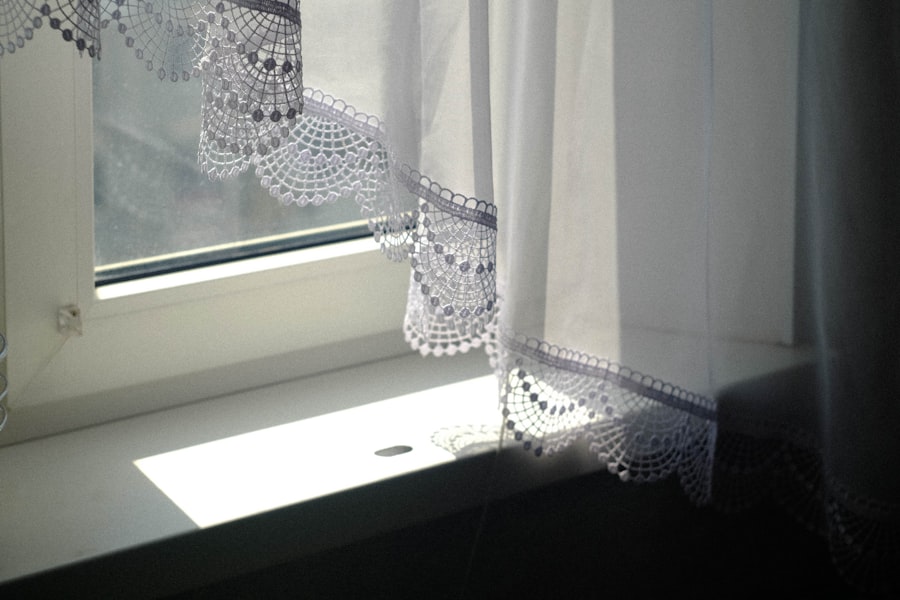
The subtle diffusion of daylight extends beyond mere aesthetics, profoundly influencing the interior environment and the well-being of occupants. It is an often-underestimated tool in creating comfortable and productive spaces.
Glare Reduction and Visual Comfort
One of the primary benefits of light diffusion is the significant reduction in glare. Direct sunlight, especially when striking reflective surfaces such as computer screens or polished floors, can cause discomfort, eye strain, and hinder visual tasks. Diffused light, by scattering these intense rays, creates a softer, more uniform illumination that minimizes hot spots and shadows, thereby improving visual comfort and reducing ocular fatigue. This transformation from harsh glare to soft glow enhances the usability of visual interfaces and reading materials.
Heat Gain Management
While not as effective as dedicated solar shading, many translucent window treatments contribute to mitigating solar heat gain. By scattering and absorbing a portion of the sun’s infrared radiation, they can help keep interior temperatures more moderate, especially during peak sun exposure. Cellular shades, in particular, with their insulating honeycomb structure, offer a notable advantage in both light diffusion and thermal regulation, providing a nuanced balance of comfort and energy efficiency. The diffused light entering the room is inherently less direct, and therefore carries less focused thermal energy.
Aesthetic Enhancement and Mood
The quality of light profoundly impacts the mood and perceived size of a space. Harsh, direct light can create a stark, unwelcoming atmosphere, while diffused light fosters a sense of calm, spaciousness, and warmth. It softens architectural lines, highlights textures, and renders colors more accurately and gently. By transforming direct sunlight into a gentle, ambient glow, diffused light can elevate the aesthetic appeal of a room, creating an inviting and tranquil environment conducive to relaxation or concentration. This subtle change in light quality can evoke feelings of serenity and openness, making a room feel more expansive and welcoming without relying on superficial embellishments.
Preservation of Furnishings
Ultraviolet (UV) radiation present in direct sunlight is a significant contributor to the fading, deterioration, and structural damage of furniture, artwork, and flooring materials over time. While not all diffusing treatments completely block UV rays, many translucent fabrics and films are designed to filter a substantial portion of them. By scattering and partially absorbing these harmful rays, diffusing window treatments help to extend the lifespan and preserve the vibrancy of interior furnishings, acting as a silent guardian against the relentless assault of solar degradation. This protective quality is an often-overlooked, yet crucial, benefit of effective light diffusion.
FAQs
What are window treatments that can diffuse daylight?
Window treatments that diffuse daylight include sheer curtains, light-filtering shades, and translucent blinds. These materials allow natural light to enter a room while softening its intensity, reducing glare and creating a gentle, even illumination.
How do sheer curtains help in diffusing daylight?
Sheer curtains are made from lightweight, semi-transparent fabrics that scatter incoming sunlight. They soften harsh rays and distribute light evenly throughout the space, providing privacy without completely blocking natural light.
Can blinds be used to subtly diffuse daylight?
Yes, certain types of blinds, such as cellular shades or light-filtering roller blinds, are designed to diffuse daylight. Their materials and construction allow light to pass through while minimizing direct glare and harsh shadows.
What is the benefit of diffusing daylight with window treatments?
Diffusing daylight helps reduce eye strain and glare, protects furniture and flooring from UV damage, and creates a comfortable, inviting atmosphere. It also maintains privacy while still allowing natural light to brighten the room.
Are there any tips for choosing window treatments to diffuse daylight effectively?
When selecting window treatments for diffusing daylight, consider fabrics or materials labeled as light-filtering or translucent. Opt for lighter colors and avoid heavy, opaque materials. Additionally, layering treatments, such as pairing blinds with sheer curtains, can enhance light diffusion and control.