How do you make your home energy-efficient with small adjustments
Making a home energy-efficient often brings to mind large-scale renovations or significant financial outlay. However, numerous small adjustments can collectively yield substantial energy savings and a reduced environmental footprint. This article explores practical, accessible strategies for improving home energy efficiency without extensive overhauls.
Before implementing changes, a fundamental understanding of where your energy goes is crucial. Think of your home as a complex organism, with each appliance and system consuming resources.
Identifying Energy Hogs
To effectively address energy consumption, pinpointing the largest contributors is the first step. Data from utility bills can be a valuable starting point. Many utility companies offer detailed consumption breakdowns, revealing patterns and potential areas for improvement. Consider also obtaining an energy monitor, which plugs into outlets and measures the real-time electricity usage of individual devices. This act of observation is like holding a magnifying glass to your electricity bill.
Conducting a Home Energy Audit (DIY)
While professional energy audits offer comprehensive insights, a do-it-yourself (DIY) audit can uncover many inefficiencies. Begin by examining insulation levels in attics, walls, and crawlspaces. Check for drafts around windows and doors, using a lit incense stick or a thin tissue to detect air movement. Inspect lighting fixtures for incandescent bulbs, which are less efficient than modern alternatives. Observe appliance usage patterns: are devices left on unnecessarily? A DIY audit is akin to a medical check-up, identifying symptoms before they become major problems.
Making your home energy-efficient can often be achieved through small adjustments that have a significant impact on your overall energy consumption. For additional insights on energy-saving tips, you might find the article on energy-saving strategies for the office particularly useful. It discusses various methods that can also be applied at home, such as optimizing lighting and improving insulation. You can read more about it in this article: “Energy-Saving Tips for the Office“.
Optimizing Heating and Cooling
Heating and cooling typically account for the largest portion of household energy consumption. Small adjustments in this area can lead to significant savings.
Thermostat Management
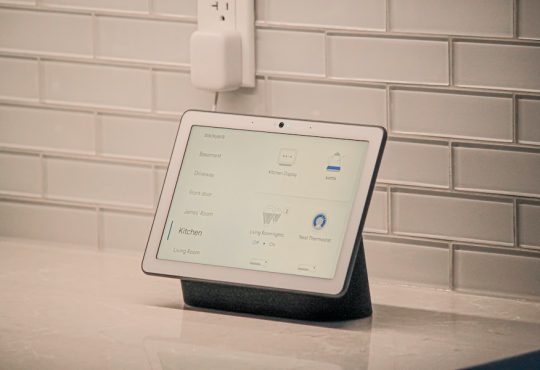
Strategic use of your thermostat is paramount. Consider installing a programmable or smart thermostat. These devices allow you to set schedules that reflect your occupancy patterns, automatically lowering the temperature when you are away or asleep and raising it before you return. Each degree you adjust downwards in winter, or upwards in summer, can translate to a percentage of savings on your energy bill. Think of your thermostat as the conductor of your home’s climate orchestra; a well-managed conductor ensures harmonious energy use.
Understanding Setback Temperatures
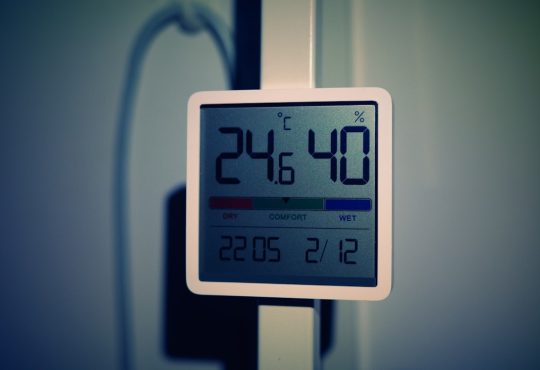
When using a programmable thermostat, understanding “setback” temperatures is key. During sleeping hours or when the house is empty, setting the thermostat back by 7-10 degrees Fahrenheit (approximately 4-6 degrees Celsius) for eight hours can reduce heating or cooling costs by an estimated 10% annually. The goal is to avoid heating or cooling an empty house to a comfortable temperature.
Leveraging Smart Features
Smart thermostats go beyond simple programming, often learning your habits, integrating with weather forecasts, and allowing remote control via smartphone. Some even offer geofencing, automatically adjusting temperatures based on your proximity to home. This level of automation ensures efficiency without requiring constant manual intervention.
Sealing Air Leaks and Improving Insulation
Air leakage constitutes a significant source of energy waste. Sealing these gaps is a cost-effective improvement.
Weatherstripping and Caulking
Inspect all windows and doors for gaps. Apply weatherstripping around movable parts of windows and doors, and use caulk to seal stationary gaps and cracks in frames. These materials act as a protective skin for your home, preventing heat exchange with the exterior. This simple intervention is like patching small holes in a boat to prevent it from slowly sinking.
Addressing Attic and Basement Air Leaks
Often overlooked, air leaks in attics and basements can be substantial. Check for gaps around plumbing and electrical penetrations, chimney flashing, and in areas where walls meet the ceiling or floor. Sealing these larger gaps with appropriate materials (e.g., expanding foam, rigid insulation board) can significantly reduce drafts and improve the overall thermal envelope.
Enhancing Existing Insulation
While full insulation upgrades can be costly, augmenting existing insulation in accessible areas like the attic can be a small adjustment with a big impact. If current attic insulation is below recommended levels (often indicated by joists being visible above the insulation), adding another layer can dramatically reduce heat loss or gain through the roof. This is akin to adding an extra layer of clothing on a cold day; it enhances comfort and reduces the body’s effort to stay warm.
Optimizing Appliance Usage and Lighting
Appliances and lighting, while individually small consumers, collectively contribute to a notable portion of household energy use.
Mindful Appliance Habits
Small changes in how you operate appliances can yield consistent savings.
Unplugging “Vampire” Devices
Many electronic devices consume power even when turned off, a phenomenon known as “vampire” or “phantom” load. Devices like phone chargers, televisions, and coffee makers silently draw power. Unplugging these items when not in use or employing power strips with on/off switches can eliminate this wasted energy. This practice is like turning off a dripping faucet; while the individual drips are small, they add up over time.
Full Loads and Efficient Settings
When using dishwashers or washing machines, always aim for full loads to maximize efficiency. Utilize eco-friendly or energy-saving settings when available. These settings often use less hot water or longer, gentler cycles, reducing energy consumption without compromising performance.
Refrigerator and Freezer Management
Ensure your refrigerator and freezer doors seal tightly. A simple test involves closing the door on a dollar bill; if it can be easily pulled out, the seal might need replacement. Keep coils clean for optimal performance and defrost freezers regularly to prevent ice buildup, which reduces efficiency.
Upgrading to Energy-Efficient Lighting
Lighting advancements have made significant strides in energy efficiency.
Transitioning to LED Bulbs
Replacing incandescent bulbs with Light-Emitting Diode (LED) bulbs is one of the most straightforward and impactful energy efficiency upgrades. LEDs consume significantly less energy, last considerably longer, and generate less heat, further reducing cooling loads. This simple switch is like trading a flickering candle for an energy-efficient lamp.
Utilizing Natural Light
Maximize the use of natural light during the day. Open blinds and curtains, and arrange furniture to allow light to penetrate living spaces. This reduces the need for artificial lighting, thereby cutting energy consumption. Natural light also offers psychological benefits, contributing to a more pleasant living environment.
Smart Lighting Controls
Consider installing dimmer switches or smart lighting systems. Dimmers allow you to adjust light output to suit the task or mood, reducing energy consumption when full brightness is not required. Smart systems offer scheduling and remote control, ensuring lights are only on when needed.
Learn the secrets of effective apparel marketing by reading “How to Design Custom T-Shirt Prints That Capture Attention and Sell“.
Water Heating Efficiency

Water heating is typically the second-largest energy consumer in a home. Even incremental changes can make a difference.
Lowering Thermostat Settings
Most water heaters are set at a default temperature of 140°F (60°C). Lowering this to 120°F (49°C) is often sufficient for household needs, while simultaneously reducing energy consumption and the risk of scalding. Each 10-degree reduction can save 3-5% on water heating costs. This adjustment is an unspoken agreement with your water heater, asking it to work a little less hard.
Insulating Your Water Heater and Pipes
If your water heater is an older model and not insulated, adding an insulating blanket can reduce standby heat loss. Similarly, insulating the first six feet of hot and cold-water pipes connected to the water heater can reduce heat loss as water travels to faucets, leading to less wasted hot water. This is like wrapping up a thermos to keep its contents warm for longer.
Fixing Leaks and Using Low-Flow Fixtures
Even small drips from faucets can lead to substantial water waste and, if it’s a hot water tap, energy waste. Repairing leaks promptly is essential. Installing low-flow showerheads and faucet aerators significantly reduces hot water consumption without sacrificing comfort. These fixtures are designed to deliver an effective stream with less water, acting as efficient gatekeepers for your water usage.
Making your home energy-efficient can often be achieved with small adjustments that have a significant impact on your overall energy consumption. For instance, simple changes like sealing drafts, using energy-efficient lighting, and optimizing your thermostat settings can lead to substantial savings. If you’re interested in enhancing your home environment further, you might find inspiration in this article about incorporating edible flowers and herbs into your garden, which can not only beautify your space but also contribute to a more sustainable lifestyle. You can read more about it here.
Smart Energy Habits and Maintenance
Beyond physical adjustments, adopting smart energy habits and performing regular maintenance are critical for sustained efficiency.
Cultivating Energy-Conscious Behaviors
Energy efficiency is not solely about technology; it’s also about behavior.
Turning Off Lights and Electronics
A seemingly obvious point, but consistently turning off lights when leaving a room and powering down electronics when not in use forms the bedrock of energy-conscious behavior. This simple act is the most direct way to prevent unnecessary energy consumption.
Strategic Window and Door Management
In summer, keeping windows and curtains closed during the hottest parts of the day can prevent solar heat gain, reducing the load on air conditioning. Conversely, in winter, opening curtains on sun-facing windows can allow passive solar heating. This thoughtful management of your home’s openings acts as natural climate control.
Air Filters and HVAC Maintenance
Regularly replacing or cleaning HVAC air filters is crucial. Clogged filters restrict airflow, forcing your system to work harder and consume more energy. Annual professional maintenance of your heating and cooling systems ensures they operate at peak efficiency and can identify potential issues before they escalate. Think of regular HVAC maintenance as giving your car an oil change; it keeps everything running smoothly and efficiently.
Future-Proofing with Small Upgrades
While the focus is on small adjustments, some minor upgrades can significantly improve your home’s long-term energy profile.
Smart Power Strips
Going beyond basic power strips, smart power strips can automatically power down peripherals when the main device (e.g., TV or computer) is turned off, further combating vampire loads.
Energy Monitoring Tools
As mentioned earlier, readily available energy monitors can provide real-time data on appliance consumption. This visibility empowers you to make informed decisions about usage and identify new areas for savings. These tools are like a dashboard for your home’s energy use, providing immediate feedback.
Reflective Window Films
For homes with significant sun exposure, applying reflective or low-emissivity (low-e) window films can reduce heat gain in summer and heat loss in winter, particularly if full window replacement is not an option.
In conclusion, achieving an energy-efficient home does not always require grand gestures or major construction projects. By systematically implementing these small adjustments, ranging from thermostat management and air sealing to mindful appliance use and lighting upgrades, homeowners can significantly reduce their energy consumption, lower utility bills, and contribute to environmental sustainability. Each seemingly minor change, when aggregated, forms a robust shield against energy waste, transforming your home into a more efficient and comfortable living space.
FAQs
What are some simple ways to make my home more energy-efficient?
Small adjustments like sealing drafts around windows and doors, using energy-efficient LED bulbs, unplugging electronics when not in use, and setting your thermostat a few degrees lower in winter and higher in summer can significantly improve your home’s energy efficiency.
How does sealing drafts help in saving energy?
Sealing drafts prevents warm or cool air from escaping your home, reducing the workload on your heating and cooling systems. This leads to lower energy consumption and utility bills.
Can changing light bulbs really impact energy usage?
Yes, replacing incandescent bulbs with LED or CFL bulbs uses up to 75% less energy and lasts much longer, making it a cost-effective way to reduce energy consumption.
Are there any easy thermostat adjustments to save energy?
Adjusting your thermostat by 1-2 degrees lower in winter and higher in summer can reduce energy use by about 3-5%. Using a programmable thermostat to automate these changes can further enhance savings.
Does unplugging devices when not in use make a difference?
Yes, many electronics consume “phantom” energy even when turned off but still plugged in. Unplugging devices or using power strips to turn off multiple devices can reduce unnecessary energy use.