How do you design your living environment for success
Designing one’s living environment for success involves a methodical approach, much like an engineer designs a machine. It is not about acquiring luxury items, but about optimizing spaces to support goals in productivity, well-being, and personal growth. This article outlines principles and strategies for constructing such an environment.
Before altering a physical space, you must clarify what “success” means in your context. Is it professional advancement, creative output, improved health, or enhanced relationships? Each definition implies different environmental requirements. A successful writer, for example, needs quiet and inspiration; a successful athlete might prioritize a home gym and restorative sleep. The environment acts as a silent partner, either aiding or hindering progress.
Identifying Personal Goals
The foundational step is introspection. Take time to list your primary objectives for the next six months to a year.
- Professional Goals: Outline specific work-related achievements. Do you need to focus more, collaborate, innovate, or manage tasks?
- Personal Development Goals: Consider skills you want to acquire, habits you aim to cultivate (e.g., reading, meditating), or character traits you wish to strengthen.
- Health and Wellness Goals: Define your aspirations for physical fitness, mental clarity, emotional balance, and sleep quality.
- Relationship Goals: Identify how your environment can support connections with family, friends, or partners.
Analyzing Current Environmental Impact
Once goals are clear, assess your current living situation. Does it actively support or subtly undermine your ambitions?
- Obstacles to Productivity: Does clutter distract you? Is your workspace uncomfortable? Do noise levels impede concentration?
- Barriers to Well-being: Does your bedroom promote restful sleep? Is there space for physical activity? Do natural elements reduce stress?
- Hindrances to Growth: Do you have a dedicated area for learning? Are tools for hobbies readily accessible?
- Relationship Friction: Does your home foster connection or isolation? Are shared spaces conducive to interaction?
Understanding these connections is critical. Your environment is not merely a backdrop; it is an active participant in your daily narrative.
Designing your living environment for success involves paying attention to the details that can enhance your productivity and well-being. A related article that explores how small changes in table arrangements can make a significant impact on your space is available at this link: “Kleine Details die je Tafelschikking Bijzonder Maken“. This article provides insights into how thoughtful design choices can create a more inspiring and effective atmosphere, ultimately contributing to your success.
Optimizing Work and Productivity Zones
The dedicated workspace is a fulcrum for many individuals’ success. Its design directly impacts focus, efficiency, and mental stamina.
Ergonomics for Sustained Work
An ergonomic setup is not a luxury, but a fundamental requirement for long-term productivity and health.
- Chair Selection: Invest in a chair that provides adequate lumbar support, adjustable height, and armrests. Proper posture prevents fatigue and injury.
- Desk Height: Ensure your desk allows your forearms to be parallel to the floor when typing, with wrists relatively straight. Standing desks can mitigate the effects of prolonged sitting.
- Monitor Placement: Position your monitor arm’s length away, with the top edge at or slightly below eye level. This minimizes neck strain.
- Lighting: Utilize natural light where possible. Supplement with task lighting that illuminates your work area without causing glare on screens. Avoid overhead fluorescent lights.
Minimizing Distractions and Enhancing Focus
Distraction is the enemy of deep work. Your environment should be a fortress against cognitive interruptions.
- Dedicated Workspace: Designate a specific area solely for work. This mental demarcation helps signal to your brain when it’s time to focus.
- Visual Clutter Reduction: A clean workspace translates to a clearer mind. Remove unnecessary items, organize paperwork, and use storage solutions.
- Auditory Control: Consider noise-canceling headphones for open-plan living or work. Soft furnishings, rugs, and curtains can absorb sound.
- Digital Environment: While not physical, your digital workspace affects your physical environment. Organize digital files, manage notifications, and establish browser tab protocols.
Incorporating Elements for Cognitive Stimulation
Beyond preventing distraction, the workspace can also stimulate creativity and problem-solving.
- Visual Cues: Include elements that inspire you, such as artwork, plants, or a vision board. These should be subtle, not distracting.
- Accessible Resources: Keep frequently used books, tools, or reference materials within easy reach to minimize flow interruption.
- Flexibility: If possible, incorporate options for different work styles – a standing area, a comfortable armchair for reading, or a whiteboard for brainstorming.
The distinction between work and rest must be clear. A bedroom that doubles as an office often compromises sleep quality and work focus.
Crafting Rest and Regeneration Sanctuaries
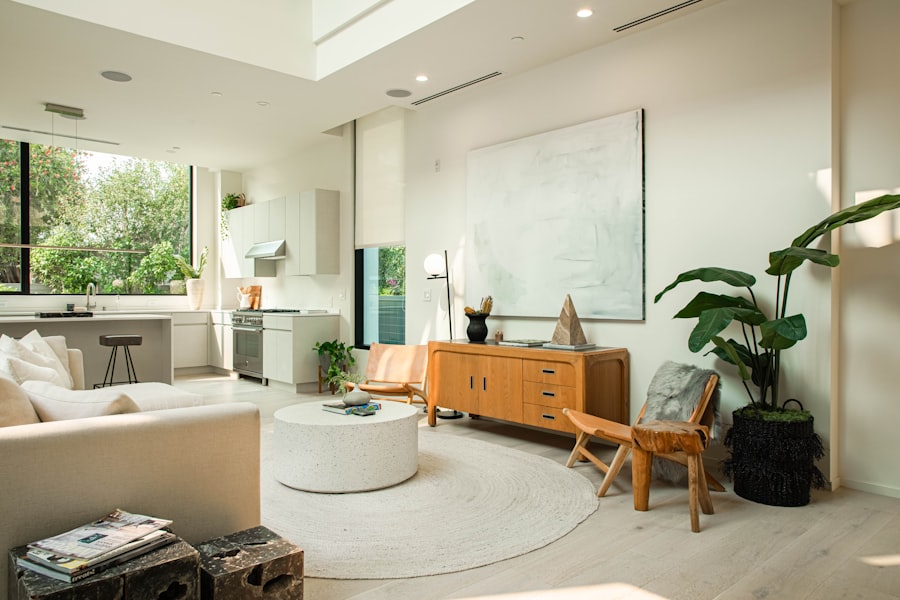
Success is unsustainable without adequate rest and recovery. Your home environment should actively promote restorative sleep and opportunities for mental decompression.
The Bedroom: A Haven for Sleep
The bedroom’s primary function is to facilitate sleep. Every element should contribute to this goal.
- Optimal Darkness: Block out all external light. Blackout curtains or blinds are essential. Even small LEDs can disrupt melatonin production.
- Temperature Control: Aim for a cool sleeping environment, typically between 60-67°F (15-19°C).
- Noise Reduction: Minimize auditory disturbances. Earplugs or white noise machines can be effective. Ensure windows are well-sealed.
- Comfortable Mattress and Pillows: These are foundational for physical comfort and spinal alignment, directly impacting sleep quality. Replace them when they show signs of wear.
- Digital Detoxification: Exclude electronic devices from the bedroom. The blue light emitted by screens suppresses melatonin, and the presence of devices can promote mental engagement rather than relaxation.
- Aesthetic Calm: Choose calming colors, minimize clutter, and avoid overly stimulating decor. The bedroom should be a visual sigh of relief.
Spaces for Mental Decompression
Beyond sleep, individuals require spaces to unwind, process thoughts, and detach from daily pressures.
- Reading Nook: A comfortable chair, good lighting, and a small table for a drink can create an inviting space for reading, journaling, or quiet contemplation.
- Meditation or Mindfulness Corner: A cushion, a plant, and perhaps a subtle scent diffuser can designate a space for mindfulness practices, even if it’s a small alcove.
- Nature Integration: Even a small indoor plant or a view of greenery can help reduce stress. If possible, a balcony or garden space offers direct access to nature.
These spaces are not indulgent luxuries; they are maintenance stations for your mental and emotional machinery. Neglecting them leads to burnout.
Designing for Health and Physical Activity
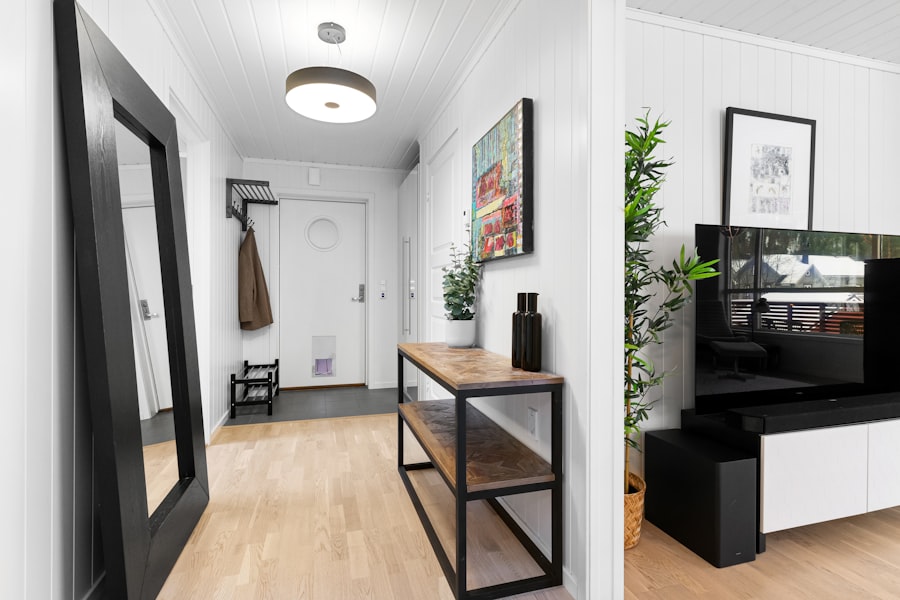
Physical well-being underpins all other forms of success. Your living environment can either encourage or discourage healthy habits.
Encouraging Movement and Fitness
Integrating opportunities for physical activity into your home removes barriers to exercise.
- Home Gym Area: Even a small space can accommodate resistance bands, weights, a yoga mat, or a jump rope. Making these visible and accessible increases the likelihood of use.
- Active Commute (within home): Designate areas for movement between tasks. Take short breaks to stretch or walk around.
- Stair Use: If you have stairs, consciously choose them over an elevator, even within a multi-story home.
- Outdoor Access: Easy access to a yard, park, or walking trails facilitates outdoor activity.
Promoting Healthy Eating
The kitchen and dining areas are central to nutritional habits.
- Organized Kitchen: A well-organized kitchen with accessible tools and ingredients streamlines meal preparation, reducing the temptation for convenience foods.
- Visible Healthy Options: Store healthy snacks (fruits, vegetables) in clear containers or at eye level. Keep less healthy options out of sight.
- Dedicated Dining Space: A designated dining table encourages mindful eating, away from screens, fostering better digestion and social connection.
- Meal Prep Stations: Counter space for chopping, cutting, and portioning ingredients encourages batch cooking and healthier choices throughout the week.
Integrating Natural Elements
Biophilia, the innate human tendency to connect with nature, offers tangible health benefits.
- Indoor Plants: Plants purify the air, reduce stress, and improve mood. Choose low-maintenance varieties if you’re a novice.
- Natural Light: Maximize natural light penetration to regulate circadian rhythms and boost mood. Position furniture to benefit from sunlight.
- Natural Materials: Incorporate wood, stone, cotton, and linen to create a grounded, soothing atmosphere.
- Views of Nature: If you have a window with a view of greenery, arrange your space to take advantage of it. Even a small urban garden or balcony can provide this connection.
Your body is the vehicle for your aspirations. Its maintenance demands consideration in your environmental design.
Designing your living environment for success involves not only organizing your space but also ensuring it remains comfortable throughout the year. For instance, understanding how to maintain a pleasant temperature in your home can significantly enhance your productivity and overall well-being. You might find it helpful to explore these effective methods to cool your home, which can make summer bearable. By implementing such strategies, you can create a more conducive atmosphere for achieving your goals. For more information, check out the article these effective methods to cool your home.
Fostering Growth and Social Connection
A supportive living environment extends beyond individual productivity and well-being to encompass continuous learning and meaningful relationships.
Spaces for Learning and Creativity
To achieve success, continuous self-improvement and creative expression are often necessary.
- Learning Nook: A dedicated bookshelf, a comfortable chair, and good lighting create an inviting space for reading and study.
- Creative Workshop/Studio: Whether it’s a corner for painting, a small craft table, or an area for playing a musical instrument, making space for creative pursuits legitimizes them.
- Whiteboard or Bulletin Board: A visible area for brainstorming, goal tracking, or displaying inspiring quotes promotes active engagement with ideas.
- Resource Accessibility: Keep learning materials, hobby supplies, and tools organized and easily accessible to remove friction when you want to engage in these activities.
Cultivating Social Connection
Humans are social beings. Your home can either facilitate or impede relationships.
- Inviting Common Areas: Design living rooms and dining areas to be warm, comfortable, and conducive to conversation. Arrange furniture to encourage interaction rather than isolated viewing of screens.
- Guest-Ready Spaces: If you value hospitality, ensure guest bathrooms are clean and tidy, and guest sleeping arrangements are comfortable, even if simple.
- Outdoor Social Spaces: A patio, deck, or garden with seating can be a natural gathering point for friends and family.
- Reducing Digital Barriers: Encourage device-free zones, especially during meals or social gatherings, to foster genuine interaction.
- Personalization, Not Perfection: While tidiness is beneficial, a sterile environment can feel uninviting. Allow aspects of your personality to emerge in your decor, creating a sense of warmth and authenticity.
Your environment is a reflection of your priorities. If growth and connection matter, make space for them.
Designing your living environment for success involves more than just aesthetics; it requires a thoughtful approach to how colors and layouts can influence your mindset and productivity. For those interested in exploring innovative uses of color in small living spaces, a related article offers valuable insights on how to create an inspiring atmosphere. By understanding the psychological effects of color, you can transform your home into a space that fosters creativity and motivation. To read more about this topic, check out the article on innovative uses of color in small living spaces.
Practical Implementation and Maintenance
Designing a successful living environment is an ongoing process, not a one-time event. It requires iterative adjustments and consistent attention.
Gradual Transformation
Overhauling an entire living space at once can be overwhelming and expensive.
- Start Small: Begin with one room or even a single corner. Address the most pressing issue first. For instance, tidy your desk, or improve your sleep hygiene.
- Phased Approach: Break down larger projects into manageable steps. For example, decluttering a room might be phased over several weekends.
- Budgeting: Allocate resources judiciously. Prioritize items that directly impact critical success factors (e.g., an ergonomic chair for work) over purely aesthetic upgrades.
- Repurposing and DIY: Look for opportunities to repurpose existing items or undertake DIY projects to save money and customize your space.
Regular Review and Adjustment
Your goals and needs will evolve, and your environment must adapt accordingly.
- Scheduled Review: Periodically assess how your environment is supporting your goals. Quarterly or semi-annual reviews can be effective.
- Feedback Loop: Pay attention to how you feel in different areas of your home. Are you productive in your workspace? Do you sleep well in your bedroom? Use these observations to identify areas for improvement.
- Decluttering Routines: Establish regular decluttering habits (e.g., 10 minutes daily, one hour weekly). This prevents accumulation and maintains an organized state.
- Seasonal Adjustments: Consider how your needs change with the seasons. You might adjust lighting, plant arrangements, or even furniture layout.
The Principle of Simplicity and Intentionality
At its core, designing for success is about intentionality. Every item, every arrangement, should serve a purpose related to your goals.
- Minimize Redundancy: Avoid purchasing items that serve the same function unnecessarily.
- Quality over Quantity: Invest in durable, functional items that will last and meet your specific needs rather than accumulating cheap, disposable alternatives.
- Personal Connection: Surround yourself with items that hold meaning or actively support your aspirations, not just possessions gathered by default.
Your living environment is a dynamic tool. It requires tuning, maintenance, and adaptation, much like a finely crafted instrument. When leveraged effectively, it becomes a powerful ally in the pursuit of a well-lived and successful life.
FAQs
1. What are the key elements to consider when designing a living environment for success?
Key elements include natural lighting, ergonomic furniture, clutter-free spaces, designated work and relaxation areas, and the use of colors that promote focus and calmness.
2. How does natural light impact productivity and success in a living environment?
Natural light improves mood, energy levels, and concentration, which can enhance productivity and overall well-being, contributing to a successful living environment.
3. Why is organization important in designing a living space for success?
An organized space reduces distractions, minimizes stress, and helps maintain focus, making it easier to achieve goals and maintain a productive routine.
4. How can color choices influence success in a living environment?
Colors like blue and green are known to promote calmness and focus, while yellow can stimulate creativity. Choosing the right colors can positively affect motivation and mental clarity.
5. What role does ergonomics play in creating a successful living environment?
Ergonomic furniture supports comfort and reduces physical strain, which can prevent fatigue and improve concentration, thereby enhancing productivity and success.