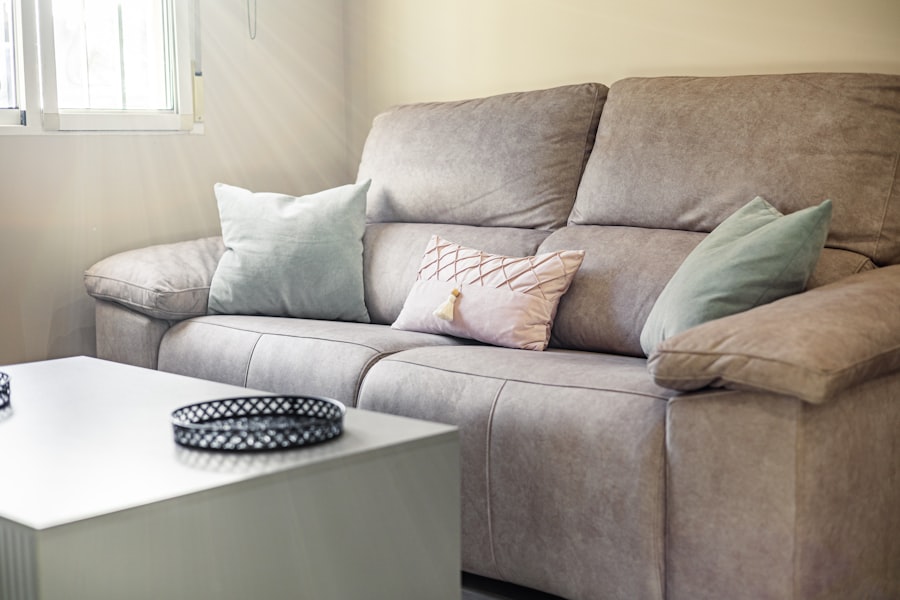
How do you create depth and light without renovating
Creating depth and light in a living space without undertaking major renovations often involves strategic manipulation of existing elements. This process, akin to a skilled painter using perspective and tonal variations to create dimension on a flat canvas, relies on understanding how perception is influenced by visual cues. Instead of altering the fundamental structure of a room, you can employ a range of techniques that enhance the sense of spaciousness, brightness, and visual interest.
Before delving into specific techniques, it’s beneficial to grasp the underlying principles that govern our perception of depth and light. Depth, in interior design, is the illusion of distance and space. Light is not merely illumination but a tool that shapes and defines form, highlights textures, and creates atmosphere.
The Role of Perspective
Human vision interprets closer objects as larger and more detailed, while distant objects appear smaller and less defined. Our brains also utilize linear perspective, where parallel lines seem to converge at a vanishing point on the horizon, to create a sense of recession. In a room, incorporating elements that mimic these visual cues can create an illusion of greater depth. Think of a long hallway appearing even longer with a strategically placed rug that draws the eye towards its end.
Light as a Sculptor
Light doesn’t just enable sight; it actively sculpts a space. Direct light can emphasize features, while diffused light softens them. Shadows, often overlooked, are equally important. They define edges, reveal textures, and create contrast, which is crucial for perceiving depth. A well-lit room isn’t just bright; it’s a room where light and shadow work in tandem to highlight its best features and minimize its shortcomings.
The Impact of Color and Tone
Color and tone play a significant role in how we perceive the size and depth of a space. Lighter, cooler colors tend to recede, making walls appear further away and rooms feel more expansive. Conversely, darker, warmer colors advance, creating a cozier, more intimate feel, but can also make a room appear smaller if not used judiciously. Tonal variations, the differences in lightness and darkness, are essential for creating visual interest and preventing a space from feeling flat.
If you’re looking to enhance the ambiance of your space without undergoing a full renovation, you might find valuable insights in the article on creating privacy on your balcony with plants, screens, and fabrics. This resource offers practical tips on how to incorporate greenery and textiles to add depth and light to your outdoor area, complementing the ideas presented in “How do you create depth and light without renovating.” For more information, you can read the article here: “Creating Privacy on Your Balcony“.
Strategic Use of Color and Texture
Color and texture are fundamental tools for manipulating perception without structural changes. They are like the primary colors on a painter’s palette, offering an extensive range of possibilities.
Employing Light and Cool Hues
Painting walls in light, cool colors such as pale blues, soft grays, and off-whites can make a room feel more expansive. These colors reflect more light, contributing to a brighter atmosphere. Consider using a single light color for walls and ceilings to create an uninterrupted visual flow, dissolving perceived boundaries.
- Monochromatic Schemes: Utilizing various shades of a single light color can create subtle depth without introducing visual clutter. Imagine a light grey wall paired with a slightly darker grey sofa and even lighter grey drapes.
- Feature Walls for Depth: While generally aiming for light colors, a single accent wall in a slightly darker, but still cool, tone at the furthest point from the entrance can draw the eye and create an illusion of length. This acts as a visual anchor.
Leveraging Texture for Visual Interest
Texture, both actual (tactile) and implied (visual), adds another layer of depth. A smooth, reflective surface will behave differently than a rough, absorbent one.
- Reflective Surfaces: Mirrors, polished metals, and glossy finishes reflect light and the room itself, effectively “doubling” the space. A large mirror strategically placed can create the illusion of an additional window or doorway.
- Varying Textures: Incorporate textiles with varying textures – a plush rug, chunky knit throws, smooth silk cushions, and woven baskets. This layering of textures provides visual interest and prevents a room from feeling flat, even with a limited color palette.
- Natural Materials: Wood, stone, and woven materials introduce intrinsic texture and warmth, grounding the space and adding a sense of organic depth.
Mastering Lighting Techniques
Lighting is perhaps the most powerful tool for creating atmosphere, highlighting features, and generating a sense of depth. It’s not just about turning on a light switch; it’s about orchestrating a symphony of illumination.
Layering Light Sources
A successful lighting plan employs a layered approach, combining ambient, task, and accent lighting. This allows for flexibility and creates visual depth.
- Ambient Lighting: This provides general illumination for the entire room, often from ceiling fixtures. It should be sufficient but not overly bright, serving as the foundational layer.
- Task Lighting: Directed light for specific activities, such as reading lamps or under-cabinet lighting in a kitchen. Task lighting creates focal points and draws the eye to particular areas.
- Accent Lighting: Designed to highlight specific architectural features, artwork, or decorative objects. Uplighting plants or downlighting a textured wall creates dramatic shadows and emphasizes form, thereby adding depth.
Harnessing Natural Light
Maximizing natural light is paramount for creating a bright and airy space. It is a dynamic and ever-changing element that brings life into a room.
- Sheer Window Treatments: Replace heavy drapes with sheer curtains or blinds that allow natural light to filter through while maintaining privacy.
- Keeping Windows Unobstructed: Avoid placing tall furniture directly in front of windows. Trim back any outdoor foliage that blocks incoming light.
- Reflecting Natural Light: Position mirrors opposite windows to reflect incoming light deeper into the room, effectively extending the reach of natural illumination.
Strategic Placement of Artificial Light
Artificial light, when strategically placed, can mimic the effects of natural light and sculpt the room.
- Wall Sconces and Uplighters: These direct light upwards, visually raising the ceiling and creating a sense of spaciousness. They also cast soft shadows, adding depth.
- Dimmer Switches: Installing dimmer switches for all light sources allows you to control the intensity of light, transitioning from bright and functional to soft and atmospheric. This dynamic control enhances the perception of depth and mood.
- Avoiding Overheads Only: Relying solely on a single overhead light fixture often creates a flat, unflattering illumination. Introduce table lamps and floor lamps to create pools of light at various heights, drawing the eye around the room.
Discover innovative design ideas in “How color zones in the living room help define a reading corner, workspace, or seating area” to transform your home.
Furniture Arrangement and Scale
The way furniture is arranged and its relative size can significantly impact the perceived depth and spaciousness of a room. Think of it as choreographing the movement of the eye.
Floating Furniture
Instead of pushing all furniture against the walls, “float” larger pieces like sofas and armchairs away from the perimeter. This creates pathways and allows the eye to travel further into the room, giving the illusion of more space.
- Defining Zones: Even in smaller rooms, grouping furniture to create distinct “zones” for conversation, reading, or dining can make the space feel more functional and expansive. This segmentation implies greater total area.
- Maintaining Clear Sightlines: Ensure that furniture placement does not block key sightlines, particularly those towards windows or focal points. An unobstructed view contributes to a sense of openness.
Utilizing Scale and Proportion
The size of furniture relative to the room and other pieces is crucial.
- Appropriate Sizing: Avoid oversized furniture in a small room, as it can overwhelm the space and make it feel cramped. Opt for pieces that are appropriately scaled.
- Legged Furniture: Furniture with exposed legs allows light to pass underneath and creates a sense of airiness, preventing a heavy, grounded feeling that can shrink a space.
- Vertical Elements: Incorporate vertical elements like tall bookshelves, floor-to-ceiling curtains, or slender plants. These draw the eye upwards, emphasizing the height of the room and contributing to a sense of grandeur.
Creating depth and light in your space without the need for extensive renovations can be a rewarding challenge. One effective approach is to focus on the use of textiles, such as curtains, which can dramatically alter the ambiance of a room. For more insights on enhancing your interior with simple adjustments, you might find this article on curtain modifications particularly helpful. It offers a variety of tips and tricks for achieving a seamless result that complements your design vision. You can read more about it here.
Mirror and Artwork Placement
| Technique | Description | Effect on Depth | Effect on Light | Ease of Implementation |
|---|---|---|---|---|
| Use Mirrors | Place mirrors strategically to reflect natural and artificial light. | Enhances perception of space by reflecting room elements. | Increases brightness by bouncing light around the room. | Easy |
| Layered Lighting | Combine ambient, task, and accent lighting. | Adds dimension by creating light contrasts and focal points. | Improves overall illumination and mood. | Moderate |
| Use Light Colors | Paint walls and ceilings in light, neutral tones. | Creates an airy feel, making spaces appear larger. | Reflects more light, brightening the room. | Easy |
| Furniture Arrangement | Arrange furniture to open pathways and avoid clutter. | Enhances spatial flow and depth perception. | Allows light to travel unobstructed. | Easy |
| Use Transparent or Reflective Materials | Incorporate glass, acrylic, or glossy surfaces. | Creates layers and visual interest. | Reflects and diffuses light effectively. | Moderate |
| Add Vertical Elements | Use tall plants, shelves, or artwork. | Draws eyes upward, adding depth. | Can create shadows that add dimension. | Easy |
| Use Rugs and Textiles | Layer rugs and cushions with varied textures and patterns. | Defines zones and adds visual layers. | Softens light reflections, creating warmth. | Easy |
Mirrors and artwork are not merely decorative; they are powerful tools for enhancing depth and light without renovation. They are reflectors and focal points.
Strategic Mirror Placement
Mirrors are chameleons of interior design, capable of reflecting light, movement, and the room itself.
- Opposite a Window: As previously mentioned, placing a mirror directly opposite a window will reflect natural light and the view outside, effectively creating another “window.”
- Behind a Light Source: Positioning a mirror behind a lamp or candle amplifies its light output, dispersing illumination more widely throughout the room.
- Creating Illusions of Passage: A large mirror on a wall can sometimes be mistaken for an open doorway leading to another room, particularly when positioned alongside a real door. This offers a compelling illusion of expanded space.
- Mirror Galleries: A collection of smaller mirrors, grouped together, can create a dynamic focal point that reflects light from multiple angles, adding sparkle and visual interest.
The Impact of Artwork
Artwork can direct the eye, provide visual anchors, and introduce depth through its own composition.
- Large-Scale Art: A single large piece of artwork on a prominent wall can act as a focal point, drawing the eye deep into the room. Its size also implicitly conveys the scale of the wall, and thus the room.
- Perspective in Art: Artwork that itself depicts landscapes or scenes with strong linear perspective can visually extend the room. It’s like having a window to another world.
- Gallery Walls for Dynamism: A carefully curated gallery wall, with varying sizes and orientations of frames, provides visual complexity and encourages the eye to move around, creating a dynamic sense of space. Ensure there’s enough negative space around the pieces to prevent visual clutter.
Decluttering and Organization
Clutter is the enemy of depth and light. It absorbs light, obstructs views, and creates visual noise that makes a space feel smaller and more chaotic. This is the foundation upon which all other techniques are built.
The Power of Negative Space
Negative space, the empty areas around and between objects, is just as important as the objects themselves. It allows the eye to rest and prevents a room from feeling overwhelmed.
- Streamlined Surfaces: Clear surfaces of unnecessary items. A cluttered tabletop or bookshelf visually “shrinks” the space.
- Minimalist Approach: While not everyone desires a purely minimalist aesthetic, adopting some of its principles – focusing on essential items and quality over quantity – can significantly enhance depth and light.
Clever Storage Solutions
Effective storage is the backbone of a clutter-free environment.
- Vertical Storage: Utilize vertical space with tall bookshelves, wall-mounted shelving, or storage units that extend to the ceiling. This draws the eye upwards and keeps floor space clear.
- Hidden Storage: Incorporate furniture with built-in storage, such as ottoman with lift-top lids or beds with drawers underneath. This keeps clutter out of sight, maintaining clean lines.
- Organization Systems: Implement organizational systems within drawers, cabinets, and closets to ensure every item has a place. This prevents accumulation on visible surfaces.
By systematically applying these techniques, you can significantly transform the perception of depth and light in any room without resorting to expensive and disruptive renovations. It requires an eye for detail, an understanding of spatial dynamics, and a willingness to experiment with the elements at your disposal.
FAQs
1. How can I create the illusion of depth in a room without renovating?
You can create the illusion of depth by using techniques such as layering furniture, incorporating mirrors to reflect light, using varying textures and colors, and arranging items to lead the eye through the space. Strategic placement of rugs and artwork can also enhance the perception of depth.
2. What lighting techniques help add depth to a space without structural changes?
Using multiple light sources at different heights, such as floor lamps, table lamps, and wall sconces, can add dimension. Incorporating accent lighting to highlight artwork or architectural features and using dimmers to control light intensity also contribute to creating depth.
3. Can color choices affect the perception of depth and light in a room?
Yes, lighter colors tend to reflect more light and make a space feel larger and more open, while darker colors can add contrast and depth. Using a combination of light and dark shades strategically can enhance the sense of depth and brightness without any renovation.
4. How do mirrors contribute to creating depth and light in a room?
Mirrors reflect both natural and artificial light, making a room appear brighter and more spacious. Placing mirrors opposite windows or light sources maximizes light reflection and visually extends the space, adding depth without physical changes.
5. Are there specific furniture arrangements that help enhance depth and light?
Yes, arranging furniture to create clear pathways and layering pieces at different heights can add depth. Avoiding clutter and using transparent or reflective furniture materials can also help light flow through the room, enhancing brightness and spatial perception.