How do you create a stylish kitchen with a smart layout
A kitchen, as the heart of a home, functions as a culinary workshop and a social hub. Its design significantly impacts daily living, influencing efficiency, comfort, and aesthetics. A stylish kitchen with a smart layout is not merely a collection of attractive elements; it is a meticulously planned space where form meets function, and every component serves a purpose. This article outlines the principles and considerations for achieving such a design.
Before embarking on any design decisions, it is crucial to understand your personal relationship with your kitchen. This is the bedrock upon which all subsequent choices are built.
Defining Your Culinary Habits
Consider the types of meals you prepare. Are you a frequent entertainer, requiring ample counter space and multiple cooking zones? Do you primarily prepare quick meals, prioritizing convenience and compact appliances? Do you bake extensively, necessitating dedicated storage for baking sheets and ingredients? Your culinary habits dictate the functionality required from your layout. For example, a gourmet cook might prioritize a powerful range and a large island, while someone who dines out frequently may prefer a more compact, aesthetically focused kitchen.
Assessing Your Social Interactions
The kitchen’s role extends beyond cooking. It is a gathering place. Do you envision your kitchen as a family dining area, a coffee bar for guests, or a homework station for children? The desired social interactions influence the need for seating, open floor plans, and integration with adjacent living spaces. A kitchen intended for large gatherings will necessitate different spatial considerations than one primarily for individual use.
Inventorying Your Kitchenware and Appliances
Take stock of your existing kitchen items. This includes small appliances like blenders and toasters, as well as dinnerware, pots, pans, and pantry staples. This inventory informs storage solutions and ensures adequate space for everything you own, preventing cluttered countertops and overflowing cabinets. An accurate inventory is a blueprint for effective storage.
Creating a stylish kitchen with a smart layout involves not only the selection of modern appliances and fixtures but also the thoughtful arrangement of space to enhance functionality and aesthetics. For those looking to add a playful touch to their kitchen design, you might find inspiration in the article about how transparent fabrics can introduce a whimsical effect to your space. You can read more about it here: “How Transparent Fabrics Add a Playful Effect to Your Space“. This approach can complement your kitchen’s design by softening hard lines and creating a more inviting atmosphere.
Mastering the Layout: The Kitchen Triangles
The kitchen triangle, or work triangle, is a fundamental concept in kitchen design, representing the path between the refrigerator, sink, and cooking surface. An efficient triangle minimizes unnecessary movement, improving workflow.
The Traditional Work Triangle
In a traditional kitchen triangle, the sum of the three legs should ideally be between 12 and 26 feet. Each leg should also be free of major obstructions. This design prioritizes the ergonomic flow of food preparation. Imagine yourself moving from refrigeration (retrieval) to sink (preparation) to range (cooking) – this sequence should be seamless.
Zones Beyond the Triangle
Modern kitchens often extend beyond the simple work triangle, incorporating specialized zones. These can include:
The Preparation Zone
This area, typically around the sink, requires ample counter space for chopping, mixing, and assembling ingredients. It should have easy access to knives, cutting boards, and waste disposal. Think of this as your primary command center for pre-cooking tasks.
The Cooking Zone
Centered around the range or cooktop, this zone needs sufficient clearance for pots and pans, as well as access to cooking utensils, spices, and oven mitts. Ventilation is a critical component of this zone.
The Cleaning Zone
Primarily encompassing the sink and dishwasher, this zone should be designed for efficient cleanup. Consider the proximity of dish storage to the dishwasher for easy unloading.
The Storage Zone
This zone integrates the refrigerator, pantry, and cabinets for dishes, glasses, and smaller appliances. Effective storage is the skeleton of an organized kitchen.
The Social Zone
For kitchens with islands or peninsula seating, this zone facilitates interaction without impeding the main work areas. It should offer comfortable seating and clear pathways.
Optimizing Storage Solutions
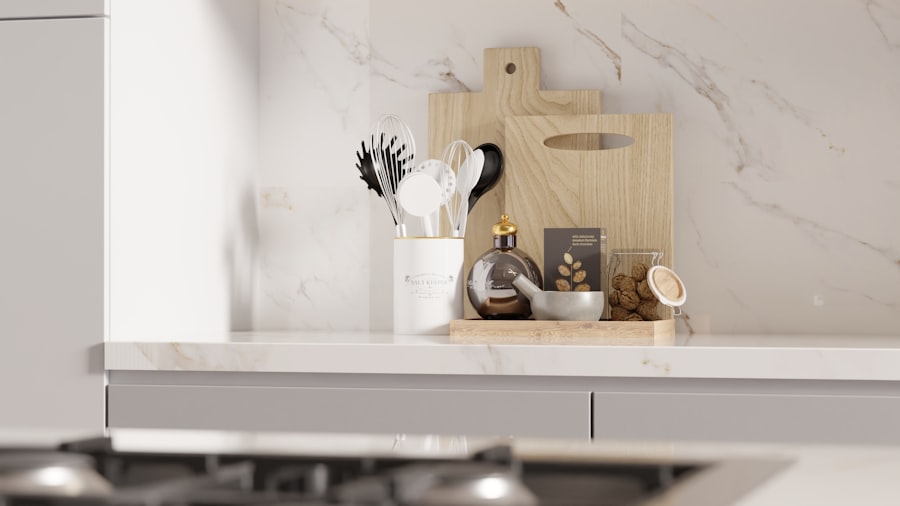
Effective storage is the silent hero of a stylish and smart kitchen. It reduces clutter, enhances usability, and contributes to the overall aesthetic.
Cabinetry Selection and Configuration
Cabinetry is the backbone of kitchen storage. Consider both upper and lower cabinets, as well as specialized units.
Upper Cabinets
These are ideal for storing frequently used items such as dishes, glasses, and pantry staples. Consider their height and depth to ensure accessibility. Glass-front cabinets can add visual interest while maintaining order.
Lower Cabinets
These provide storage for heavier items like pots, pans, and small appliances. Drawers are generally more efficient than shelves for lower cabinets, offering easier access to contents. Pull-out shelves and custom inserts further enhance functionality.
Pantry Systems
A dedicated pantry, whether a walk-in unit or a tall cabinet, offers extensive storage for dry goods, bulk items, and lesser-used appliances. Adjustable shelves, pull-out drawers, and door-mounted organizers maximize space utilization.
Specialized Storage Solutions
Beyond standard cabinets, consider incorporating specialized solutions to address specific needs.
Appliance Garages
These discreetly hide small appliances, keeping countertops clear when not in use. They often feature roll-up doors or retractable shelves.
Spice Racks and Pull-Outs
Integrated spice racks, whether within a drawer, cabinet door, or a narrow pull-out unit, keep spices organized and readily accessible.
Corner Storage Solutions
Blind corner cabinets can be challenging, but specialized solutions like lazy Susans, pull-out shelves, or LeMans systems maximize their utility.
Drawer Organizers
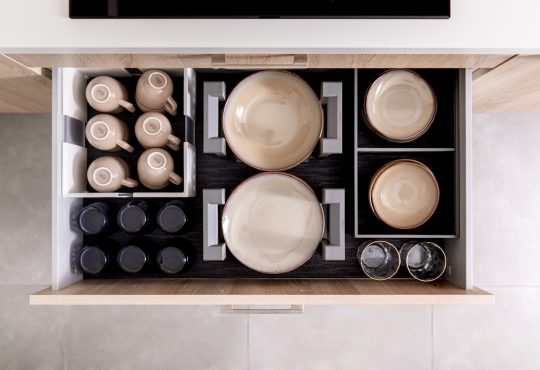
Custom inserts for cutlery, utensils, and other small items maintain order within drawers, preventing jumbled contents.
Selecting Surfaces and Materials
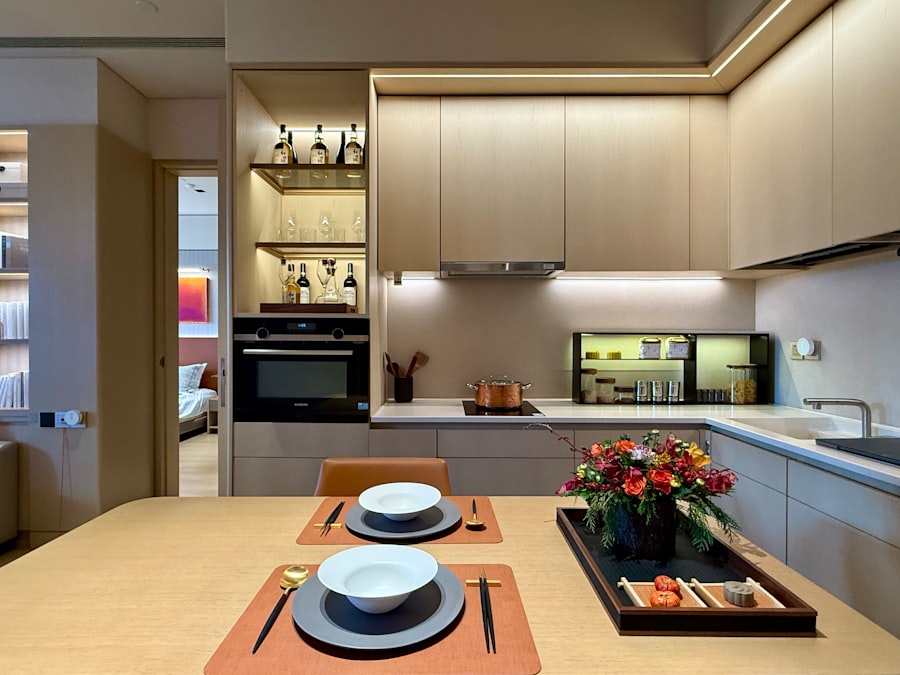
The choice of surfaces and materials significantly impacts both the aesthetics and durability of your kitchen.
Countertops
Countertops are workhorses, subject to spills, heat, and sharp objects. Material selection balances durability, aesthetics, and maintenance.
Quartz
Engineered stone, offering a wide range of colors and patterns, is highly durable, non-porous, and low-maintenance. It is resistant to scratches, stains, and heat.
Granite
Natural stone, known for its unique patterns and durability. Requires periodic sealing to prevent staining but is highly resistant to heat.
Marble
A luxurious natural stone, prized for its elegant veining. Softer than granite and more susceptible to etching and staining, requiring careful maintenance.
Solid Surface (e.g., Corian)
Acrylic-based material, seamless in appearance and reparable if scratched. Less heat resistant than stone, but comes in numerous colors and can be shaped into custom designs.
Wood (Butcher Block)
Offers a warm, natural aesthetic. Requires regular oiling to maintain its finish and protect against moisture. Can be sanded and refinished to remove imperfections.
Backsplash
The backsplash protects walls from splashes and adds a decorative element.
Tile (Ceramic, Porcelain, Subway)
Versatile in color, texture, and pattern. Easy to clean and highly durable. Provides a wide array of design possibilities.
Slab Backsplash
Using the same material as the countertop provides a seamless and luxurious look. Requires precise fabrication and installation.
Glass
Offers a contemporary aesthetic, reflects light, and is easy to clean. Can be back-painted for custom colors.
Flooring
Kitchen flooring needs to be durable, easy to clean, and slip-resistant.
Tile (Porcelain, Ceramic, Terrazzo)
Highly durable, water-resistant, and comes in countless designs. Grout lines can accumulate dirt, requiring regular cleaning.
Hardwood
Offers a warm, classic look. Can be susceptible to water damage and scratches, but can be refinished. Engineered hardwood provides greater stability.
Luxury Vinyl Tile (LVT)
Durable, water-resistant, and available in realistic wood or stone looks. Comfortable underfoot and relatively easy to install.
Creating a stylish kitchen with a smart layout involves careful planning and attention to detail, much like designing a vibrant space for children. For inspiration on how to incorporate playful elements into your home, you might find this article on playful patterns in window decorations particularly helpful. By blending functionality with aesthetic appeal, both kitchens and children’s rooms can become inviting spaces that reflect personality and creativity.
Integrating Lighting and Appliances
Lighting and appliance selection are not afterthoughts; they are integral to a smart kitchen design.
Layered Lighting Design
Effective kitchen lighting utilizes multiple layers to provide both ambient illumination and task-specific light.
Ambient Lighting
General room illumination, often provided by recessed lighting, flush-mount fixtures, or pendant lights. It sets the overall mood.
Task Lighting
Focused illumination on specific work areas, such as under-cabinet lighting for countertops, or pendant lights over an island. It minimizes shadows and improves visibility for intricate tasks.
Accent Lighting
Decorative lighting to highlight architectural features, artwork, or open shelving. It adds depth and visual interest.
Appliance Selection and Placement
Appliances are the tools of your kitchen. Their selection and placement impact functionality and aesthetics.
Refrigerator
Consider capacity, configuration (French door, side-by-side, bottom freezer), and features (ice maker, water dispenser). Placement should be easily accessible from the primary work triangle.
Range/Cooktop and Oven
Based on your cooking habits, choose between gas, electric, or induction. Consider separate cooktop and wall oven configurations for greater layout flexibility. Ventilation (range hood) is critical above the cooking surface.
Dishwasher
Placement next to the sink is optimal for efficient loading. Consider noise levels and energy efficiency.
Microwave
Can be integrated into cabinetry, placed on a shelf, or positioned over the range. Consider its frequency of use when determining placement.
Small Appliances
Plan for dedicated spaces for appliances like coffee makers, toasters, and blenders to avoid countertop clutter. Consider appliance lifts or roll-out shelves within cabinets.
Incorporating Style and Personalization
While functionality is paramount, a stylish kitchen reflects your personal aesthetic and creates an inviting atmosphere.
Color Palettes and Finishes
Color sets the tone. Consider your preferred style – modern, traditional, minimalist, or eclectic.
Neutral Bases
Whites, grays, and natural wood tones provide a timeless foundation upon which to build. They offer versatility and create a sense of spaciousness.
Accent Colors
Introduce bolder colors through backsplashes, accent walls, accessories, or upholstery to add personality and visual interest.
Finishes
Hardware, faucet finishes (e.g., brushed nickel, matte black, brass), and appliance finishes contribute to the overall aesthetic. Consistency or thoughtful contrast can create a cohesive look.
Hardware and Fixtures
These smaller details are like the jewelry of the kitchen, enhancing style and function.
Cabinet Hardware
Knobs, pulls, and handles come in an endless array of styles and materials. They should complement the cabinetry and be comfortable to use.
Faucets
Functionality is key, but also consider style, finish, and features like pull-down sprayers or touchless operation.
Lighting Fixtures
Beyond their functional purpose, pendant lights, chandeliers, and wall sconces contribute significantly to the kitchen’s aesthetic appeal.
Open Shelving and Display
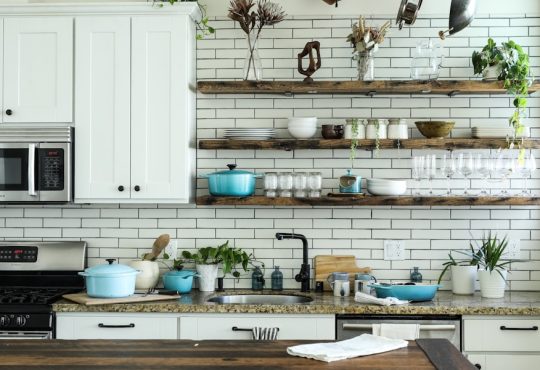
Open shelving offers opportunities for both storage and display, breaking up monolithic runs of cabinetry.
Strategic Use
Reserve open shelving for aesthetically pleasing items, such as cookbooks, decorative pottery, or frequently used dishware. Excessive open shelving can lead to visual clutter.
Curated Displays
Treat open shelves as opportunities to showcase collections or add personal touches. Regular dusting and organization are essential to maintain their appeal.
Building a stylish kitchen with a smart layout is a thoughtful investment, not a capricious undertaking. By meticulously planning each element, from the foundational layout to the finishing touches, you create a space that is not only visually appealing but also a joy to inhabit and operate. It is a carefully orchestrated ballet of practicality and aesthetics, ensuring that every movement is efficient, every item has its place, and the ambiance invites both culinary creativity and convivial gatherings.
FAQs
1. What are the key elements of a smart kitchen layout?
A smart kitchen layout typically includes efficient work zones such as the cooking area, cleaning area, and food storage area. It emphasizes the “kitchen work triangle” concept, which minimizes the distance between the sink, stove, and refrigerator to enhance workflow and reduce unnecessary movement.
2. How can I maximize space in a small kitchen?
To maximize space in a small kitchen, use vertical storage solutions like tall cabinets and open shelving. Incorporate multi-functional furniture, such as an island with storage or a foldable dining table. Keeping the layout open and uncluttered also helps create a sense of spaciousness.
3. What design styles work best with a smart kitchen layout?
Modern, minimalist, and contemporary design styles often complement smart kitchen layouts well. These styles focus on clean lines, functional storage, and streamlined appliances, which enhance both aesthetics and usability.
4. How important is lighting in creating a stylish kitchen?
Lighting is crucial in a stylish kitchen as it highlights design features and improves functionality. A combination of ambient, task, and accent lighting ensures the space is well-lit for cooking and entertaining while adding visual interest.
5. What role do appliances play in a smart kitchen design?
Appliances in a smart kitchen should be energy-efficient, appropriately sized, and strategically placed to support the workflow. Integrating smart appliances with technology can also enhance convenience and contribute to a modern, stylish look.