How do you combine curtains and blinds with a calm color palette
Successfully combining curtains and blinds within a tranquil color palette involves a nuanced understanding of textile properties, strategic layering, and the psychological impact of color. This article explores practical approaches to achieve a cohesive and serene aesthetic in interior design, providing guidance on material selection, color matching, and functional considerations.
Understanding the Calm Color Palette
A calm color palette typically encompasses hues that evoke peace, serenity, and relaxation. These often include neutrals, muted tones, and subtle variations of cool colors. Visit https://www.keluarhk.com/ for more information.
Characteristics of Calm Colors
Calm colors are characterized by their low saturation and often light to medium value. They eschew vibrant, high-contrast combinations in favor of harmonious, understated arrangements. Examples include off-whites, creams, greiges, light grays, muted blues, soft greens, and dusty lilacs. The absence of jarring contrasts is a hallmark of this aesthetic.
Psychological Impact of Calm Colors
These colors are associated with reduced stress and improved focus. Light blue is often linked to tranquility, while green evokes nature and balance. Neutrals provide a foundation for other elements without demanding attention, contributing to a sense of spaciousness and clarity. When selecting colors for window treatments, consider their cumulative effect on the room’s atmosphere.
Dual Functionality: Curtains and Blinds
The combination of curtains and blinds offers both aesthetic versatility and functional benefits, allowing for precise control over light, privacy, and insulation.
Light Control and Privacy
Blinds, particularly Venetian or cellular models, excel at modulating light intensity and angle. They can be tilted or adjusted to filter glare while still allowing some natural light. Curtains, especially blackout or lined varieties, provide comprehensive light blockage and enhanced privacy when fully closed. This layering system allows for adaptability throughout the day, accommodating different activities and light requirements.
Thermal Insulation and Acoustics
Both curtains and blinds contribute to a room’s thermal efficiency. Cellular blinds, for instance, trap air within their honeycomb structure, providing an insulating barrier against heat loss in winter and heat gain in summer. Densely woven or lined curtains further enhance this insulation, reducing energy consumption. Additionally, textiles absorb sound, improving a room’s acoustics by dampening echoes and mitigating external noise.
Aesthetic Layering
Layering curtains over blinds adds depth and visual interest to a window treatment. Blinds provide a streamlined base, while curtains introduce softness, texture, and pattern (if desired). This combination can transform a window from a mere opening into a significant design feature, anchoring the room’s aesthetic.
Material Selection for Tranquility
The tactile and visual properties of materials play a crucial role in achieving a calm interior. Consider both the weave and composition of fabrics for curtains and blinds.
Curtain Fabrics
For a calm palette, prioritize natural fibers or blends that offer a soft drape and subtle texture.
- Linen: Linen provides a relaxed, organic feel. Its inherent slubs and slightly uneven texture contribute to a natural aesthetic. It drapes gracefully and diffuses light softly. For a calm look, opt for unbleached, natural linen, or linen in muted, desaturated tones.
- Cotton: Cotton is versatile and readily available. Opt for finely woven cottons or those with a subtle texture, such as a slub cotton or a sateen finish for a touch of understated elegance. Avoid stiff or overly crisp cottons.
- Wool Blends: Light wool or wool blends can offer excellent drape and insulation without excessive bulk. Their inherent warmth and soft handle contribute to a cozy, calm atmosphere, particularly suitable for cooler climates.
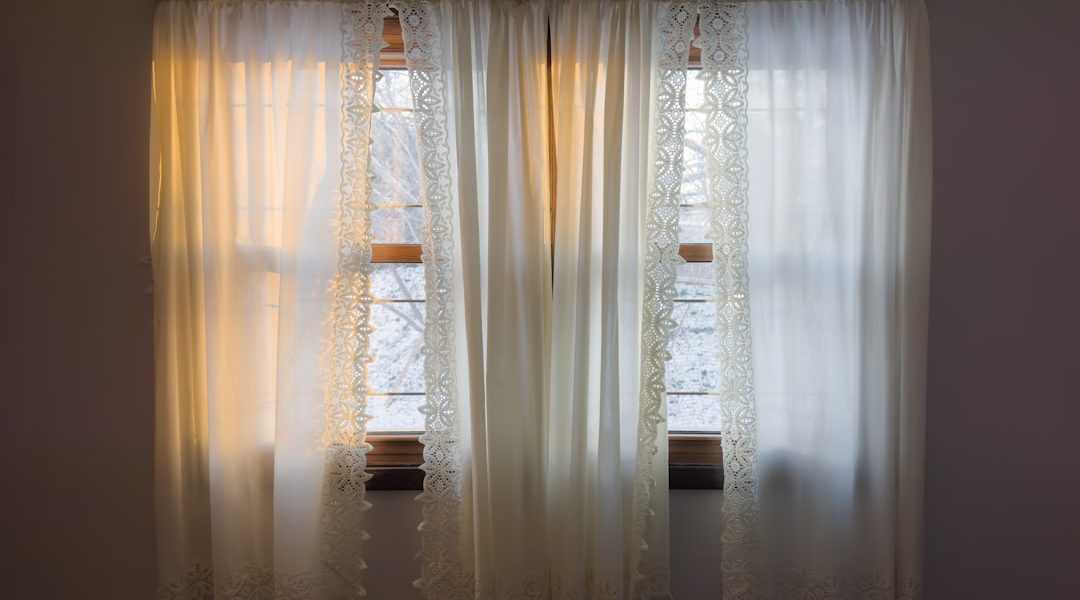
- Sheer Fabrics: Sheer curtains made from delicate linen, voile, or fine muslin can soften a window and diffuse natural light without completely obscuring the view. They maintain a sense of openness and airiness, contributing to a tranquil environment. When paired with blinds, they offer a flexible layering option.
Blind Materials
The material of your blinds impacts their functionality and visual contribution to the calm aesthetic.
- Wood/Faux Wood Blinds: Natural wood blinds, or faux wood alternatives in light, natural finishes (e.g., whitewash, light oak, or painted white), align well with a calm palette. They introduce an organic element and offer precise light control through their slats.
- Cellular/Honeycomb Blinds: These blinds are notable for their insulating properties and minimalist appearance. Available in a range of muted, non-textured fabrics, they present a clean, unobtrusive look, ideal for a serene setting. They disappear into the window frame when retracted, maintaining visual simplicity.
- Roller Blinds: For a sleek and uncluttered aesthetic, roller blinds in plain, neutral fabrics (e.g., linen blends, polyester with a subtle texture) are effective. They offer a flat, uninterrupted surface that can recede into the background, contributing to a sense of calm. Blackout versions are particularly useful for bedrooms.
- Roman Blinds: Roman blinds offer a softer alternative to rigid blinds. When raised, they gather into neat folds, adding a touch of tailored elegance. Select fabrics similar to those for curtains – linen, cotton, or muted patterns – to maintain consistency with the calm palette.
Color Matching and Contrast for Serenity
Within a calm palette, color matching and subtle contrast are employed to create emphasis without disruption. The goal is to build visual texture and depth through slight variations rather than overt differences.
Monochromatic and Analogous Schemes
- Monochromatic: This approach uses variations of a single color. For example, a light gray cellular blind paired with a slightly darker gray linen curtain. The difference in value or saturation provides definition without introducing new hues. This creates a highly cohesive and understated look.
- Analogous: Analogous schemes use colors adjacent to each other on the color wheel. For a calm palette, consider highly desaturated analogous colors. For instance, a very light, desaturated blue blind paired with a soft, muted blue-green curtain. This offers a gentle transition between colors, maintaining harmony.
Subtle Contrast with Neutrals
Neutrals – off-whites, creams, grays, and greiges – serve as foundational elements in a calm palette.
- Blind as a Neutral Foundation: Use a neutral-colored blind (e.g., a white, cream, or light grey roller blind) as the base layer. This provides a clean backdrop.
- Curtain as a Soft Accent: Overlay this with a curtain in a slightly darker neutral, or a muted, cool-toned color (e.g., a soft sage green, a dusty blue, or a light taupe). The curtain introduces a whisper of color without dominating the space. The contrast is minimal, designed to add depth rather than draw immediate attention.
- Warm Neutrals with Cool Undertones: Consider “greige” or taupe tones for warmth that doesn’t feel overtly yellow or orange. These versatile neutrals marry well with soft blues and greens, preventing the palette from feeling too cold or stark.
Enhancing with Understated Patterns and Textures
While a calm palette often suggests plain fabrics, subtle patterns and textures can add interest without sacrificing serenity.
- Textural Blinds: Blinds with a woven texture, such as bamboo or natural fiber weaves (for roller blinds or Roman shades), introduce organic interest. The texture itself becomes the “pattern.”
- Subtle Curtain Patterns: If incorporating a pattern on curtains, select designs that are sparse, abstract, or tonal. For example, a delicate geometric pattern in a slightly different shade of the curtain’s main color, or an organic, botanical motif that mimics line drawings. Avoid bold, high-contrast, or large-scale patterns.
- Slubby Fabrics: Fabrics like slub linen or raw silk for curtains inherently possess a subtle, irregular texture that adds depth without visible pattern. This organic imperfection contributes to a relaxed and natural feel.
- Layering Textures: Combine a smooth, flat blind (e.g., a cellular blind) with a more textured curtain (e.g., a linen blend). The interplay of different tactile qualities enriches the visual experience without relying on strong color contrasts.
Installation and Presentation for a Harmonious Space
Beyond material and color, the way curtains and blinds are installed significantly impacts the overall aesthetic and functionality within a calm scheme. Meticulous planning in this area ensures visual tranquility.
Mounting Considerations
- Inside Mount for Blinds: For a clean, integrated look, mount blinds inside the window frame. This allows curtains to hang freely outside the frame, preventing bulkiness and creating a streamlined appearance. It also highlights any decorative window trim.
- Outside Mount for Curtains: Curtains hung outside the frame, particularly when extended beyond the window’s width, create an illusion of a larger window and allow more light to enter when open. This “stack back” ensures the window is fully exposed when the curtains are drawn open, maximizing natural light.
- High Mounting: Mounting curtain rods several inches above the window frame (1-2 feet above, if ceiling height permits) drawing the eye upwards, enhancing the perception of ceiling height and creating a more expansive feel. This gesture also allows curtains to truly “pool” if desired, or hang just above the floor, depending on the desired aesthetic.
Drapery Hardware
The choice of curtain hardware should complement the calm aesthetic without drawing undue attention.
- Understated Finishes: Select hardware in finishes such as brushed nickel, matte black, white, or natural wood tones. Avoid overly ornate or polished brass finishes that can introduce unwanted sparkle or visual “noise.”
- Minimalist Rods and Finials: Opt for simple, cylindrical rods and understated finials (the decorative ends of the rod). Round or cap-style finials are often preferred over elaborate, sculptural designs. The hardware should support the curtains without becoming a focal point.
- Invisible Tracks: For a truly minimalist approach, consider ceiling-mounted tracks that allow curtains to glide smoothly and appear to emerge directly from the ceiling, creating an unbroken vertical line. This is particularly effective in spaces aiming for maximum visual quietude.
Styling and Length
The way curtains are styled and their length can dramatically alter the feel of a room.
- Floor Length or Puddled: For a calm, luxurious, and soft appearance, curtains that either kiss the floor or slightly puddle (an extra 1-3 inches of fabric resting on the floor) are often preferred. Puddling adds a relaxed, romantic quality, while a floor-skimming length offers a clean, tailored finish. Avoid curtains that hover awkwardly above the floor, which can make a window appear unfinished.
- Fullness: Ensure curtains have adequate fullness (typically 1.5 to 2.5 times the width of the window/rod) even when closed. This allows for soft, elegant pleats and a more opulent, finished look, even with simple fabrics. Sparse curtains appear flimsy and less robust.
- Clean Lines: Even with softer styles, aim for clean lines. This means proper hemming, neat pleats (if using pleated curtains), and ensuring the blinds hang straight and fully cover the window when closed. A calm aesthetic thrives on order and refinement.
When combining curtains and blinds with a calm color palette, every selection, from the hue of a cellular blind to the texture of a linen curtain, contributes to the overall effect. The objective is to construct a window treatment that provides functionality while effortlessly blending into a serene and harmonious living environment. Approaching this task with attention to detail and a clear understanding of material and color interplay will yield a result that embodies tranquility and sophistication.
FAQs
1. Can I use both curtains and blinds together in the same room?
Yes, combining curtains and blinds is a popular window treatment option that allows for greater control over light, privacy, and insulation. Blinds can be used for precise light filtering, while curtains add softness and style.
2. What are some calm color palette options for curtains and blinds?
Calm color palettes typically include neutral tones such as beige, soft gray, ivory, muted blues, and gentle greens. These colors create a soothing atmosphere and work well together when coordinating curtains and blinds.
3. How do I ensure that curtains and blinds complement each other in a calm color scheme?
To ensure harmony, choose curtains and blinds in similar or complementary shades within the calm color palette. For example, pair light gray blinds with soft blue curtains or beige blinds with ivory curtains. Avoid overly contrasting colors to maintain a serene look.
4. Should the material of curtains and blinds be considered when combining them?
Yes, the material affects both aesthetics and functionality. Lightweight fabrics like linen or cotton work well for curtains in calm palettes, while blinds can be made from wood, faux wood, or fabric. Coordinating textures can enhance the overall calm and cohesive feel.
5. How can I layer curtains and blinds effectively without making the window look cluttered?
To avoid clutter, use simple, streamlined blinds and pair them with curtains that have clean lines and minimal patterns. Mount blinds inside the window frame and hang curtains slightly wider and higher than the window to create an open, airy appearance.