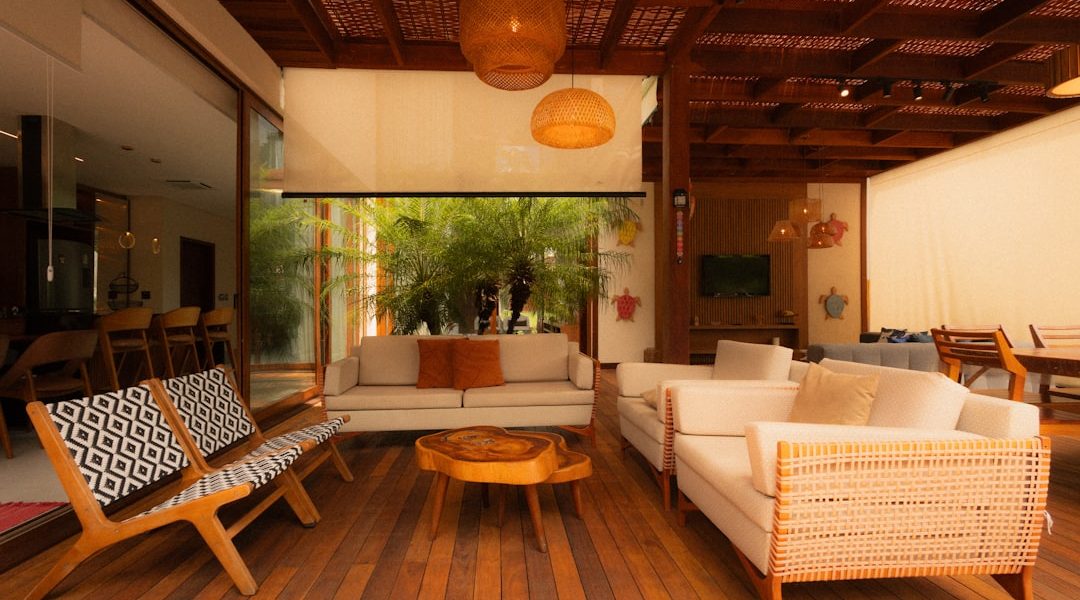
How to create a harmonious living room with accessories that don’t dominate
This article addresses the creation of a harmonious living room through the strategic use of accessories. It focuses on achieving a balanced and inviting atmosphere without overwhelming the space.
Before introducing any decorative elements, a thorough understanding of your living room’s existing structure and your personal aesthetic is crucial. This forms the bedrock upon which a harmonious design can be built, much like a strong foundation underpins a sturdy building. Overlooking this initial step can lead to a collection of disparate items rather than a cohesive whole.
Assessing the Room’s Architecture and Natural Light
Observe the inherent features of your living room. Consider its dimensions, ceiling height, and architectural details such as moldings or built-in shelving. These elements guide the scale and placement of your accessories. A grand room can accommodate larger pieces, while a more intimate space benefits from a curated selection of smaller items.
The Impact of Natural Light
Natural light significantly influences how colors and textures are perceived. A room with abundant natural light can handle bolder colors and darker materials, as the light will mitigate any potential for them to feel oppressive. Conversely, a dimly lit room may require lighter, more reflective accessories to enhance its brightness and sense of spaciousness. Evaluate the direction of your windows and the time of day when light is most prevalent. This awareness will inform your choices regarding the material and finish of your chosen accessories, preventing them from appearing dull or overly stark.
Defining Your Interior Design Style
Your living room’s décor should reflect your personal taste. Whether you lean towards minimalist, bohemian, modern, traditional, or a blend of styles, consistency is key. Accessories function as punctuation marks in the narrative of your room’s design. If your room’s narrative is a minimalist poem, a large, ornate sculpture might be a jarring stanza.
Identifying Core Aesthetic Principles
Consider the overarching principles of your chosen style. Minimalism favors clean lines and uncluttered surfaces. Bohemian interiors often embrace a riot of color and texture. Modern design prioritizes functionality and sleek forms. Understanding these principles will act as a compass when selecting accessories, ensuring they align with the intended mood and character of the space.
The Role of Color Palette and Texture
The colors and textures of your accessories play a vital role in unifying the space. They are the threads that weave the fabric of your design together.
Harmonizing with Existing Colors
Accessories should complement, not compete with, your room’s existing color scheme. This doesn’t mean every accessory must match perfectly. Instead, focus on selecting pieces that either echo existing dominant colors, introduce complementary hues, or provide subtle contrast. A well-chosen accent color in an accessory can draw the eye and add visual interest without overwhelming the overall palette.
Introducing Varied Textures
Texture adds depth and sensory appeal to a room. Mixing textures – smooth surfaces with rough weaves, polished metals with natural wood, soft fabrics with hard ceramic – creates a more dynamic and inviting environment. This variety prevents the room from feeling flat or sterile, much like a symphony benefits from a range of instruments.
Creating a harmonious living room with accessories that do not overpower the space is essential for achieving a balanced aesthetic. For further inspiration on how to enhance your home decor, you might find the article on luxury Christmas decor particularly useful. It offers insights into creating a glamorous festive environment that complements your existing design while maintaining a sense of harmony. You can read more about it here: “Luxury Christmas Decor: Creating a Glamorous Festive Environment This Winter“.
Strategic Accessory Placement: Less is Often More
The arrangement of accessories is as important as their selection. Thoughtful placement ensures that each piece contributes to the overall balance and visual flow of the room, rather than creating clutter. Think of your accessories as actors on a stage; their positions and interactions are choreographed to tell a story.
Creating Focal Points and Visual Interest
Accessories can be used to guide the viewer’s eye and establish points of interest within the room. A single, well-placed object can become a captivating focal point, drawing attention and adding character.
The Power of the Singular Object
Instead of scattering many small items, consider the impact of a single, impactful piece. A striking vase, a unique sculpture, or an artistically framed photograph can command attention and elevate the aesthetic of a shelf, coffee table, or mantelpiece. This approach is akin to a solo musical performance that captivates an audience.
Grouping for Impact, Not Clutter
When grouping accessories, aim for intentionality. Create small vignettes that tell a story or evoke a particular feeling. A group of three items of varying heights and textures can be more visually appealing than a random assortment of five or more. Consider the rule of odds; odd numbers of objects often create a more dynamic and pleasing composition.
Balancing Scale and Proportion
The size of your accessories must be in harmony with the scale of your furniture and the room itself. An oversized cushion on a small sofa can feel disproportionate, just as a tiny decorative box on a vast coffee table can appear lost.
Matching Accessory Size to Furniture
When placing items on furniture, consider the surface area. A large coffee table can support a modest tray with a few well-chosen items, a couple of decorative books, and perhaps a small plant. A narrower side table might be best suited to a single lamp and a slender vase.
Considering Room Dimensions
The overall dimensions of your living room should dictate the scale of your accessories. In a spacious room, larger decorative objects or a cluster of mid-sized items can be effective. In a more compact living room, prioritize smaller, more delicate pieces that won’t encroach on valuable floor or surface space.
Utilizing Vertical Space Effectively
Don’t overlook the vertical dimensions of your living room. Shelving, wall art, and tall decorative pieces can add interest and depth without consuming valuable floor space.
The Art of Shelving Design
Shelves are prime real estate for displaying accessories. Mix decorative objects with books, and vary heights and depths to create a visually dynamic arrangement. Avoid overcrowding shelves; leave some negative space to allow each item to breathe and be appreciated.
Wall Art as an Accessory
Wall art, whether paintings, prints, or photographs, functions as a significant accessory. Consider the size and subject matter in relation to the wall space and the overall room décor. A single large piece can make a statement, while a gallery wall of smaller, curated pieces can add personality and visual intrigue.
Key Accessory Categories for Harmonious Interiors
Certain categories of accessories are particularly effective in contributing to a balanced and inviting living room. Their judicious selection and placement are paramount.
Soft Furnishings: Pillows and Throws
Pillows and throws are fundamental to creating a comfortable and layered aesthetic. They are the soft whispers that complete the room’s narrative.
Layering for Comfort and Style
Introduce multiple throw pillows in varying textures, sizes, and subtle patterns. Layering throws over sofas and armchairs adds a sense of coziness and suggests an environment ready for relaxation. Consider fabrics like linen, cotton, wool, or even faux fur for tactile appeal.
Color and Pattern Integration
Use pillows and throws to introduce accent colors or introduce a subtle pattern that complements the room’s existing palette. Ensure the scale of the patterns is appropriate for the size of the furniture. A large floral pattern on a small accent chair might be too dominant.
Decorative Objects: Vases, Sculptures, and Figurines
These pieces add personality and artistic flair. They are the individual notes within the room’s symphony.
Material Selection for Texture and Light Reflection
Consider the materials of your decorative objects. Ceramic, glass, metal, wood, and stone offer diverse textures and light-reflecting properties. A polished metal sculpture can catch light and add a touch of modern elegance, while a matte ceramic vase can introduce a grounding, natural element.
Thematic Consistency or Curated Eclecticism
When selecting decorative objects, aim for a degree of thematic consistency or a curated eclecticism. This means either a collection that subtly nods to a shared theme (e.g., nature, travel) or a thoughtful mix of distinct pieces that, by their arrangement, create a harmonious statement. Avoid haphazardly collecting items without considering how they relate to each other.
Lighting Accessories: Lamps and Ambient Light Enhancers
Lighting is a critical, often overlooked, accessory. It shapes the mood and highlights other decorative elements.
Layering Light Sources
Avoid relying on a single overhead light. Layer ambient lighting with task lighting (e.g., floor lamps for reading) and accent lighting (e.g., small lamps on side tables to highlight art). This creates a more sophisticated and inviting atmosphere.
The Importance of Warm Light Temperatures
Choose light bulbs with warm color temperatures (around 2700K to 3000K) for a cozy and inviting ambiance. Cooler, bluer light can feel sterile in a living room setting. Lampshades also play a role, diffusing light and adding to the overall aesthetic.
Greenery and Natural Elements: Plants and Botanical Prints
Introducing natural elements brings life and vitality into the living room. They are the breathing elements in the room’s composition.
Bringing the Outdoors In
Live plants, even a few carefully chosen ones, can dramatically improve the atmosphere of a room, purifying the air and adding color and texture. Consider the light requirements of your chosen plants and select pots that complement your décor.
Botanical Prints and Natural Materials
If live plants are not feasible, botanical prints or artwork depicting natural scenes can serve a similar purpose. Incorporating natural materials like wood, rattan, or stone in other accessories – such as wooden bowls or stone coasters – further enhances this connection to nature.
Avoiding the Pitfalls: Common Mistakes in Accessory Styling

Even with good intentions, certain common mistakes can undermine the goal of a harmonious living room. Recognizing and avoiding these traps is as important as making good choices.
The Trap of Over-Accessorizing
The most common pitfall is using too many accessories, leading to a cluttered and chaotic appearance. This is like trying to play too many notes simultaneously in a melody, resulting in dissonance.
Identifying ‘Visual Noise’
Learn to distinguish between decorative items that add to the room’s appeal and those that create ‘visual noise.’ If a surface feels crowded, or if it’s difficult to focus on any single item, you likely have too much.
The Power of Negative Space
Embrace negative space – the empty areas around your accessories. This allows each piece to stand out and be appreciated. It’s the silence between musical notes that gives the music its form.
Inconsistent Scale and Proportion
As discussed earlier, a mismatch between the size of accessories and the scale of the room or furniture is a frequent error. This can make a room feel visually unbalanced.
The ‘Too Small’ or ‘Too Big’ Dilemma
Constantly question if an item’s size is appropriate. A collection of very small items can look busy. A single very large item in a small room can feel overwhelming.
Lack of Cohesion and Theme
A haphazard collection of accessories that lack any sense of connection can make a room feel disjointed. This is like having a library with books from wildly different genres all piled randomly on one shelf.
Building a Narrative with Accessories
Think about the story you want your living room to tell. Your accessories should contribute to this narrative, whether it’s a story of tranquility, vibrancy, or intellectual pursuit.
Ignoring Functionality for Form
While aesthetics are important, accessories should not solely exist for visual consumption. Many accessories can serve a dual purpose, offering both beauty and utility.
Practicality Meets Panache
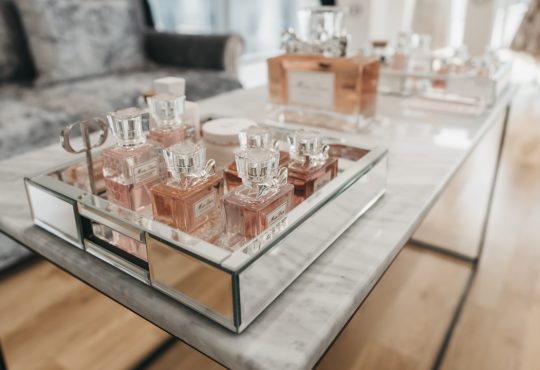
A decorative tray on a coffee table can hold remotes and coasters neatly. A stylish storage basket can house blankets while adding texture. Consider how your accessories can make your living room more functional as well as beautiful.
Creating a harmonious living room with accessories that don’t overpower the space is essential for achieving a balanced aesthetic. To further enhance your interior design, you might find it helpful to explore how curtains can add a personal touch to your decor. For more insights on this topic, you can check out the article on how to give your interior a unique flair with curtains by visiting this link:
https://agutonsky.com/hoe-je-met-gordijnen-een-persoonlijke-touch-aan-je-interieur-geeft/.
By thoughtfully combining accessories and textiles, you can create a warm and inviting atmosphere in your home.
The Continuous Refinement: Evolving Your Accessory Collection
| Accessory Type | Recommended Quantity | Color Palette | Placement Tips | Effect on Harmony |
|---|---|---|---|---|
| Cushions | 3-5 per sofa | Neutral tones with 1 accent color | Group cushions in odd numbers for balance | Adds comfort without overwhelming |
| Throws/Blankets | 1-2 | Soft, muted colors | Drape casually over sofa or armchair | Creates warmth and texture subtly |
| Vases | 1-3 | Clear, white, or pastel shades | Place on side tables or shelves | Enhances elegance without clutter |
| Artwork | 1-2 focal pieces | Complementary colors to room | Hang at eye level, centered | Creates visual interest and balance |
| Plants | 2-4 medium to small plants | Green with natural pots | Place near windows or corners | Brings freshness and life subtly |
| Decorative Bowls/Trays | 1-2 | Neutral or metallic finishes | Use on coffee or side tables | Organizes small items without clutter |
Creating a harmonious living room is not a static achievement. It’s an ongoing process of refinement and adaptation. Your taste may evolve, or the needs of your space may change.
Seasonal Updates and Refreshing the Look
Introducing seasonal updates can keep your living room feeling fresh and dynamic without requiring a complete overhaul. This could involve changing throw pillows, adding seasonal greenery, or swapping out artwork.
Embracing Seasonal Color Palettes
Lighter, brighter colors can be introduced in spring and summer, while warmer, richer tones are suitable for autumn and winter. These subtle shifts can significantly alter the mood of the room.
Event-Based Styling
For special occasions, you might introduce temporary decorative elements, such as holiday-themed items or specific colors to match a gathering. These should be temporary and easily removed afterward.
Decluttering and Re-evaluating
Regularly decluttering your accessories is essential. Take the opportunity to re-evaluate existing items. What still serves its purpose? What brings you joy? What looks dated or out of place?
The Art of Rotation
Consider rotating certain decorative items out of view for a period, then reintroducing them later. This can give them a renewed sense of appeal and prevent them from becoming visually monotonous within the space.
Investing in Quality Over Quantity
When building your accessory collection, prioritize quality over quantity. A few well-made, timeless pieces will have a greater and more lasting impact than a large collection of inexpensive, disposable items.
Timeless Pieces as Anchors
Invest in anchor pieces that align with your core style – a classic lamp, a well-crafted vase, a quality throw. These items can serve as a stable foundation for more trend-driven or seasonal accessories.
By understanding your space, defining your style, and applying strategic placement and selection principles, you can create a living room that is both visually appealing and deeply comfortable. The key lies in a mindful approach, where each accessory plays its part in the larger composition, contributing to an atmosphere of balanced serenity.
FAQs
What are key principles for creating a harmonious living room with accessories?
To create a harmonious living room with accessories, focus on balance, color coordination, and scale. Choose accessories that complement the room’s color palette and furniture style without overwhelming the space. Use a mix of textures and shapes to add interest while maintaining a cohesive look.
How can I choose accessories that enhance rather than overpower my living room?
Select accessories in moderate sizes and subtle colors that blend well with your existing decor. Avoid overly large or brightly colored items that draw too much attention. Instead, opt for pieces that add warmth and personality without dominating the room.
What types of accessories work best for a balanced living room design?
Accessories such as throw pillows, rugs, vases, framed artwork, and decorative bowls work well when chosen thoughtfully. Natural elements like plants or wooden accents can also add harmony. The key is to use these items sparingly and in a way that complements the overall style.
How important is color coordination when using accessories in a living room?
Color coordination is very important to maintain harmony. Accessories should either match or complement the room’s main color scheme. Using a limited color palette helps create a unified look and prevents the space from feeling cluttered or chaotic.
Can lighting affect how accessories contribute to a harmonious living room?
Yes, lighting plays a crucial role. Proper lighting highlights accessories without casting harsh shadows or creating glare. Soft, ambient lighting can enhance textures and colors, making accessories blend seamlessly into the room’s atmosphere.