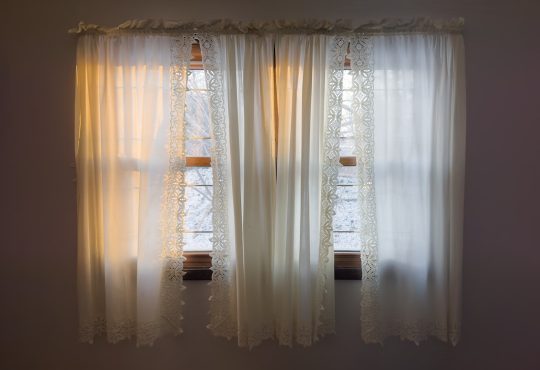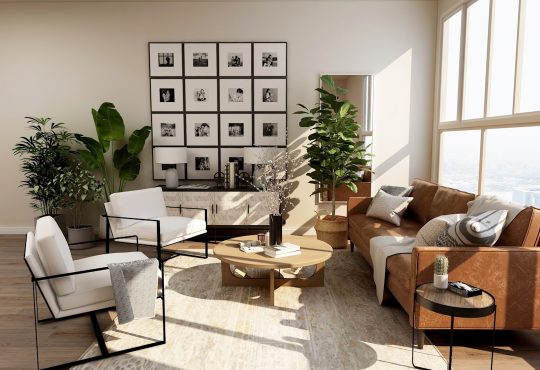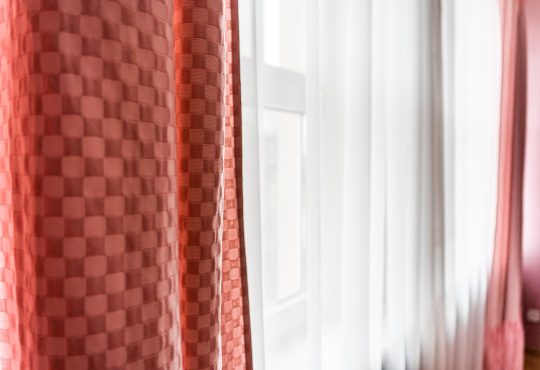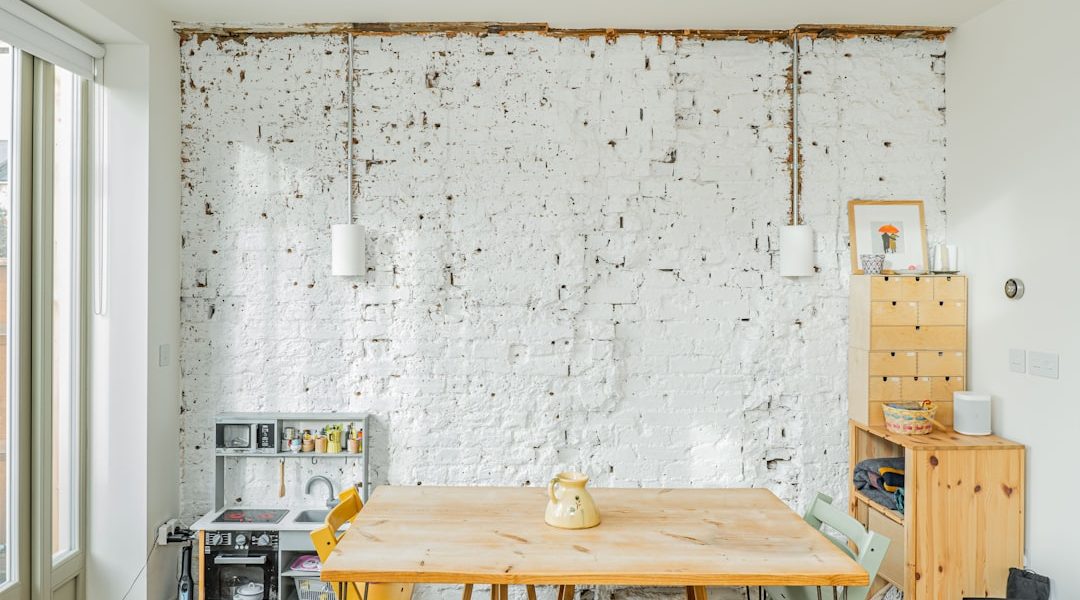
A minimalist interior style is enhanced by simple and neutral window treatments
Minimalist interior design is a philosophy that emphasizes simplicity, functionality, and the beauty of unadorned spaces. Originating in the mid-20th century, this style has evolved into a popular choice for modern homes, characterized by clean lines, uncluttered spaces, and a restrained color palette. The essence of minimalism lies in the idea that less is more; it advocates for the removal of excess and the celebration of essential forms and materials.
This approach not only creates a visually appealing environment but also fosters a sense of calm and tranquility, making it an ideal choice for those seeking a serene living space. In minimalist design, every element serves a purpose, and each piece is carefully selected to contribute to the overall aesthetic. Furniture is often low-profile and functional, with an emphasis on quality over quantity.
Natural materials such as wood, stone, and metal are frequently used to create a harmonious connection with the environment. The color scheme typically revolves around neutral tones—whites, grays, and earth tones—allowing for a cohesive look that enhances the feeling of spaciousness. This intentionality in design extends to window treatments, which play a crucial role in achieving the minimalist ideal.
Visit Nikkel-art.be for unique and inspiring artwork.
Key Takeaways
- Minimalist interior style emphasizes simplicity, clean lines, and neutral colors.
- Simple and neutral window treatments are essential to maintain a clutter-free, cohesive look.
- Choosing the right window treatments involves selecting materials and designs that complement minimalist decor.
- Benefits include enhanced natural light, privacy, and a calm, uncluttered atmosphere.
- Incorporating and maintaining minimalist window treatments requires thoughtful selection and regular upkeep to preserve the aesthetic.
The Importance of Simple and Neutral Window Treatments
Window treatments are an essential component of any interior design scheme, and in minimalist spaces, their role becomes even more pronounced. Simple and neutral window treatments help maintain the clean lines and uncluttered aesthetic that define minimalism. By opting for understated designs, homeowners can ensure that their window coverings do not detract from the overall ambiance of the room.
Instead, these treatments should complement the space, allowing natural light to filter through while providing privacy when needed. Neutral colors are particularly significant in minimalist design as they create a seamless transition between different elements within a room. Shades of white, beige, gray, or soft pastels can enhance the feeling of openness and airiness that is central to minimalist interiors.
Furthermore, simple window treatments such as sheer curtains or roller shades can soften harsh sunlight without overwhelming the space. This balance between functionality and aesthetics is crucial in maintaining the minimalist ethos, where every detail is considered and contributes to the overall harmony of the environment.
Choosing the Right Window Treatments for a Minimalist Space

When selecting window treatments for a minimalist space, it is essential to prioritize simplicity and functionality. Options such as sheer curtains, roller shades, or simple blinds are ideal choices that align with minimalist principles. Sheer curtains allow natural light to permeate the room while providing a degree of privacy, creating an ethereal quality that enhances the minimalist aesthetic.
Roller shades offer a sleek and unobtrusive solution that can be easily adjusted to control light levels without adding visual clutter. In addition to style, the material of window treatments should also be considered. Natural fabrics like linen or cotton can add warmth to a minimalist space without overwhelming it.
On the other hand, synthetic materials may offer durability and ease of maintenance but can sometimes detract from the organic feel that is often sought in minimalist design. The key is to strike a balance between practicality and aesthetic appeal, ensuring that the chosen window treatments enhance rather than detract from the overall design.
Benefits of Simple and Neutral Window Treatments
The advantages of incorporating simple and neutral window treatments into a minimalist interior are manifold. Firstly, these treatments help create a cohesive look throughout the space. By maintaining a consistent color palette and design style, homeowners can achieve a sense of unity that is essential in minimalist design.
This uniformity not only enhances visual appeal but also contributes to a calming atmosphere that promotes relaxation. Moreover, simple window treatments are often easier to maintain than more elaborate options. With fewer embellishments and intricate designs, cleaning and upkeep become less time-consuming tasks.
This practicality aligns perfectly with the minimalist philosophy of reducing clutter and simplifying life. Additionally, neutral window treatments can easily adapt to changing decor styles or seasonal updates without requiring a complete overhaul of the space. This versatility makes them an excellent investment for those who appreciate both aesthetics and functionality.
How to Incorporate Window Treatments into a Minimalist Design
| Metric | Value | Notes |
|---|---|---|
| Color Palette | Neutral tones (white, beige, gray) | Supports minimalist aesthetic |
| Material | Linen, cotton, light wood | Natural and simple textures |
| Window Treatment Style | Roller shades, sheer curtains | Unobtrusive and clean lines |
| Light Control | Soft, diffused natural light | Enhances calm and airy feel |
| Maintenance | Low | Simple fabrics easy to clean |
| Visual Impact | Minimal distraction | Focus on space and form |
Incorporating window treatments into a minimalist design requires careful consideration of placement and style. One effective approach is to allow window treatments to blend seamlessly with the architecture of the room. For instance, mounting curtains or shades close to the ceiling can create an illusion of height, making the space feel larger and more open.
This technique draws the eye upward and emphasizes clean lines, which are hallmarks of minimalist design. Another strategy is to choose window treatments that can be easily retracted or adjusted. For example, motorized shades or blinds can provide convenience while maintaining a sleek appearance.
When not in use, these treatments can be completely hidden from view, allowing unobstructed views of the outdoors and maximizing natural light. This interplay between indoor and outdoor spaces is vital in minimalist design, where nature often plays a significant role in enhancing the overall aesthetic.
Tips for Maintaining a Minimalist Aesthetic with Window Treatments

To preserve a minimalist aesthetic with window treatments, it is crucial to avoid overcomplicating designs or introducing unnecessary elements. One effective tip is to limit patterns and textures; opting for solid colors or subtle textures can help maintain visual clarity while still adding depth to the space. Additionally, choosing window treatments that are easy to operate ensures that they remain functional without becoming cumbersome or visually distracting.
Regular maintenance is also key to sustaining a minimalist look. Dust and dirt can accumulate on window treatments over time, detracting from their clean appearance. Establishing a routine cleaning schedule can help keep them looking fresh and unobtrusive.
Furthermore, being mindful of how window treatments interact with other elements in the room—such as furniture placement and wall colors—can help maintain harmony throughout the space.
Creative Ways to Use Simple and Neutral Window Treatments in a Minimalist Space
While simplicity is at the core of minimalist design, there are numerous creative ways to utilize simple and neutral window treatments effectively. Layering sheer curtains with blackout shades can provide both light control and privacy while adding an element of sophistication to the space. This combination allows homeowners to enjoy natural light during the day while ensuring complete darkness at night when desired.
Another innovative approach is to use window treatments as a focal point within an otherwise understated room. For instance, selecting slightly textured fabrics in neutral tones can add visual interest without overwhelming the space. Additionally, incorporating unique hardware—such as sleek metal rods or minimalist brackets—can enhance the overall aesthetic while remaining true to minimalist principles.
These subtle details can elevate the design without compromising its simplicity.
Finding Inspiration for Minimalist Window Treatments
Finding inspiration for minimalist window treatments can be an enjoyable process that encourages creativity while adhering to design principles. One excellent source of inspiration is interior design magazines or websites that focus on modern aesthetics. These platforms often showcase real-life examples of minimalist spaces featuring innovative window treatment solutions that align with current trends.
Social media platforms like Pinterest or Instagram also serve as valuable resources for discovering new ideas. By following accounts dedicated to minimalism or interior design, homeowners can curate their own collections of images that resonate with their vision for their space. Visiting local showrooms or design centers can provide tactile experiences with different materials and styles, allowing individuals to visualize how various options might work within their own homes.
In conclusion, embracing simple and neutral window treatments within a minimalist interior not only enhances aesthetic appeal but also aligns with the core principles of this design philosophy. By understanding how these elements interact with other aspects of minimalism—such as color palettes, materials, and functionality—homeowners can create serene environments that reflect their personal style while promoting tranquility and simplicity in their living spaces.
A minimalist interior style is enhanced by simple and neutral window treatments, which can create a serene and uncluttered atmosphere. For those looking to add a personal touch to their space while maintaining a minimalist aesthetic, you might find inspiration in the article on how to give your curtains a personal touch in your interior. You can read more about it in this related article.
FAQs
What defines a minimalist interior style?
A minimalist interior style is characterized by simplicity, clean lines, and a neutral color palette. It focuses on functionality and the use of minimal decor to create a calm and uncluttered space.
Why are simple and neutral window treatments recommended for minimalist interiors?
Simple and neutral window treatments complement the minimalist aesthetic by maintaining a clean and unobtrusive look. They avoid visual clutter and help enhance the sense of openness and tranquility in the space.
What types of window treatments are commonly used in minimalist interiors?
Common window treatments in minimalist interiors include plain roller shades, sheer curtains, and simple blinds in neutral colors such as white, beige, gray, or soft earth tones.
How do neutral window treatments affect natural light in a room?
Neutral window treatments allow natural light to filter softly into the room, creating a bright and airy atmosphere without overwhelming the space with color or pattern.
Can minimalist window treatments provide privacy and light control?
Yes, minimalist window treatments can be designed to offer privacy and light control while maintaining a simple appearance. Options like roller shades and blinds can be adjusted to control the amount of light entering the room.
Are patterned or colorful window treatments suitable for minimalist interiors?
Generally, patterned or brightly colored window treatments are avoided in minimalist interiors as they can disrupt the clean and calm aesthetic. Neutral and solid colors are preferred to maintain simplicity.
How do minimalist window treatments contribute to the overall interior design?
Minimalist window treatments enhance the overall design by reinforcing the principles of simplicity and functionality. They create a cohesive look that supports the minimalist theme without drawing unnecessary attention.
What materials are commonly used for minimalist window treatments?
Materials such as linen, cotton, and lightweight synthetic fabrics in neutral tones are commonly used. These materials provide a soft texture while keeping the look simple and elegant.
Can minimalist window treatments be customized?
Yes, minimalist window treatments can be customized in terms of size, fabric, and color to fit the specific needs of a space while adhering to the minimalist design principles.
How do minimalist window treatments impact room maintenance?
Minimalist window treatments are often easier to clean and maintain due to their simple designs and neutral colors, which can help hide dust and wear better than more elaborate treatments.