Slimme energiemeters: houd je verbruik bij tijdens de zomerpiek
As temperatures rise during the summer, energy consumption inevitably follows suit. Smart meters, an innovative tool in energy management, can help you track and optimize your energy usage, especially during these peak months of 2026. In this article, we’ll delve into the practical benefits of using smart meters, offering insights on how they can be pivotal during the high-demand summer season.
Belangrijkste punten
- Smart meters provide real-time data to manage energy consumption efficiently.
- They can help detect and mitigate excessive energy use during summer peaks.
- Using smart meters can enable dynamic pricing, saving costs during high-demand periods.
- Integration with smart home systems enhances energy optimization.
What are smart meters?
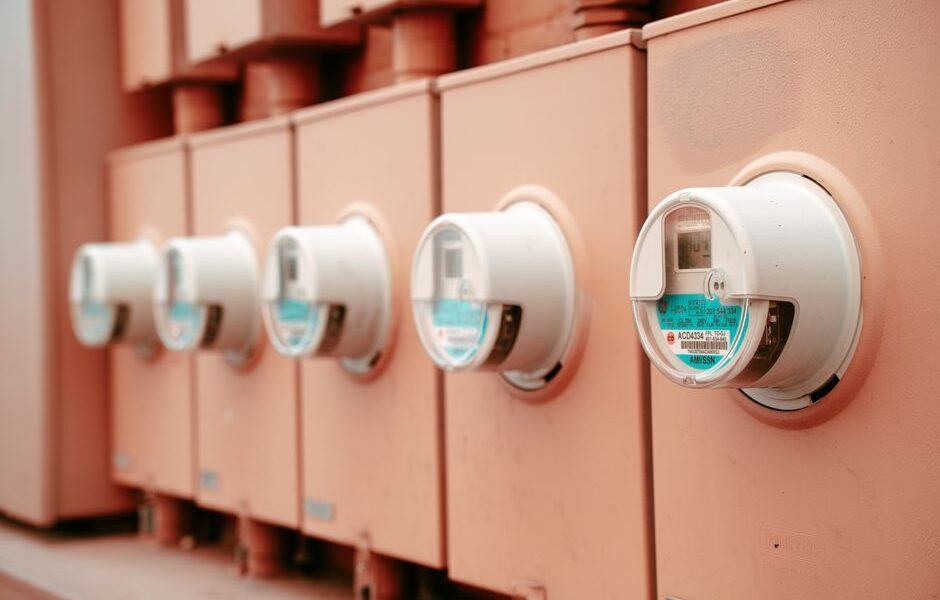
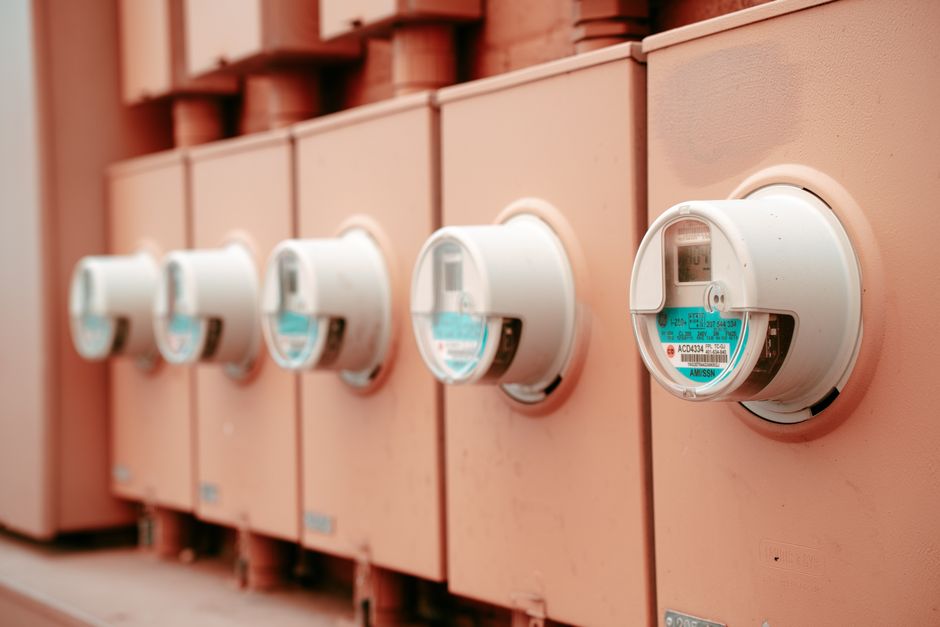
Smart meters are advanced devices used to monitor electricity and gas consumption in real time. They enable both consumers and utility providers to see detailed usage data, encouraging efficient energy use.
These devices are connected through an informative display or a secure online portal, providing users with feedback on their energy habits. By utilizing this technology, users can identify peak consumption times and adopt strategies to lower their energy bills.
Benefits of smart meters during summer
During the hot summer months, energy usage tends to spike as cooling systems work overtime. Smart meters give valuable insights into usage patterns and help in optimizing both consumption and expenses.
Real-time feedback from smart meters allows users to adjust their behavior to minimize energy use when rates are highest. This can lead to significant cost savings over time, particularly with dynamic pricing models that utilities may offer. Furthermore, identifying and shifting your high-energy tasks to off-peak hours with smart meters can directly affect energy bills favorably.
How to use data from smart meters
Using data from smart meters means transforming this wealth of information into actionable steps. The real-time feedback and detailed reports can guide users to adjust their energy use according to peak and off-peak times.
This approach brings about a new level of awareness and control over energy expenses. For example, a smart meter can alert users to unexpected high energy usage, prompting an investigation into possible causes such as appliances that are drawing too much power.
Moreover, integrating these insights into broader smart home strategies has proven beneficial. Consider setting a cozy corner by creating a summer meditation nook with natural materials, paired with an energy-efficient lighting system that responds to your smart meter metrics.
Maximizing efficiency with smart meter data
Maximizing efficiency with the data from smart meters involves not only tracking but also creating strategies for improvement. Adjusting thermostats, timing device use, and upgrading to energy-efficient appliances based on insights can dramatically reduce energy usage.
Another advantage is the ability to participate in utility demand response programs, where utilities may offer financial incentives for reduced consumption during peak demand periods. Smart meters enable precise verification of these reductions, contributing to a more sustainable energy approach.
Integrating smart meters with home systems
Integrating smart meters with other smart home systems is the key to unlocking their full potential. This combination provides a more comprehensive approach to managing energy use effectively.
By syncing smart meters with programmable thermostats, advanced HVAC systems, and other smart devices, you can create a cohesive network that autonomously optimizes energy consumption. For instance, fresh summer interiors with projected lightscapes could be part of this network, contributing to an ambient yet energy-efficient home atmosphere.
Additionally, adding style to your home with unique window decorations can also enhance energy efficiency by regulating the amount of sunlight entering your home, thereby reducing cooling costs.
Veelgestelde vragen
How do smart meters help save energy?
Smart meters offer real-time tracking of energy use, allowing users to identify high usage times and adjust their activities to reduce consumption during peak hours.
What is dynamic pricing with smart meters?
Dynamic pricing is a rate plan where energy prices vary throughout the day based on demand. By using smart meters, consumers can capitalize on lower rates during off-peak times.
Can smart meters detect energy wastage?
Yes, smart meters can flag anomalies in energy use, such as sudden spikes in consumption, enabling users to address potential waste quickly.
Are smart meters compatible with all types of appliances?
Smart meters are compatible with most appliances, especially those integrated into smart home systems, to provide comprehensive energy management.
Harnessing the power of smart meters this summer
Smart meters emerge as valuable allies in the quest for efficiency, especially during the demanding summer months. By leveraging real-time data to optimize energy usage, these devices empower users to manage consumption proactively, reducing costs and environmental impacts.
Taking full advantage of their capabilities, including demand response programs and smart home integrations, will pave the way for smarter, more sustainable energy consumption that benefits both consumers and the broader ecosystem.