How do you create a serene kitchen atmosphere with natural tones
This article explores methods for cultivating a serene kitchen atmosphere through the judicious application of natural tones. It aims to provide practical guidance for individuals seeking to transform their kitchen space into a calming and functional environment. The focus is on factual information and actionable strategies, presented in a style consistent with Wikipedia’s editorial guidelines.
A serene kitchen transcends mere aesthetics; it functions as a sanctuary, fostering a sense of calm and clarity. The foundation of such a space lies in deliberate choices regarding color, material, and spatial organization. Natural tones play a pivotal role, acting as the bedrock upon which this tranquility is built. These tones, echoing elements found in the natural world, possess an inherent ability to soothe and ground.
Defining Natural Tones
Natural tones predominantly encompass colors derived from earthy elements, such as soil, stone, sand, and wood. This palette typically includes various shades of beige, cream, off-white, light gray, taupe, and muted greens. They are characterized by their subtlety and lack of saturation, contributing to a non-overwhelming visual experience. Unlike vibrant or highly contrasted colors, natural tones tend to recede, creating an illusion of expanded space and a sense of openness. They do not demand attention but rather invite it, fostering a gentle engagement with the environment.
Psychological Impact of Natural Colors
The psychological impact of natural colors is well-documented. Beige and cream, for instance, are often associated with warmth, comfort, and simplicity. Gray, when used strategically in its lighter variations, can evoke feelings of stability and sophistication without being cold. Muted greens connect us to nature, promoting a sense of renewal and vitality. These colors contribute to a reduction in visual clutter and mental overstimulation, which are crucial for achieving a serene atmosphere. In a kitchen, where numerous activities converge, minimizing visual noise is paramount to fostering a sense of order and calm.
The Role of Light
Light, both natural and artificial, acts as a crucial partner to natural tones. It breathes life into the color palette, transforming muted hues into dynamic textures. Natural light, in particular, enhances the organic qualities of the chosen materials, revealing their subtle variations and depth. A kitchen with ample natural light will inherently feel more open and inviting. When natural light is limited, strategic artificial lighting can mimic its effects, illuminating surfaces and creating a warm, ambient glow. The interplay between light and natural tones is akin to a sculptor and their clay; one shapes and defines the other, bringing out its inherent beauty.
Creating a serene kitchen atmosphere with natural tones can be beautifully complemented by incorporating seasonal accents that reflect the changing environment. For inspiration on how to add a personal touch to your kitchen decor throughout the year, you can explore the article titled “Een persoonlijk accent voor elk seizoen” available at this link. By blending natural hues with seasonal elements, you can enhance the tranquility of your kitchen space while keeping it fresh and inviting.
Selecting a Cohesive Natural Color Palette
The cornerstone of a serene kitchen is a thoughtfully curated color palette. This involves more than simply picking individual colors; it requires understanding how they interact and contribute to the overall ambiance. A cohesive palette ensures visual harmony and prevents the space from appearing fragmented or disjointed.
Dominant and Accent Tones
In a natural tone scheme, it is beneficial to establish a dominant base color, often a light neutral like off-white, cream, or a very pale gray. This dominant tone serves as the “canvas” upon which other elements are introduced. Accent tones, typically in slightly deeper variations of the dominant color or complementary natural hues, can then be used sparingly to add visual interest and depth. For example, if the walls are a warm off-white, kitchen cabinetry might be in a light taupe, with perhaps a deep olive green for a backsplash or decorative elements. The success lies in the balance; accents should enhance, not overpower, the foundational serenity.
Utilizing Textural Variation
While the color palette may be subtle, textural variation is essential to prevent the space from feeling monotonous. Imagine a landscape: even though it might be dominated by shades of green and brown, the different textures of leaves, bark, stone, and earth create visual richness. Similarly, in a kitchen, incorporating materials with distinct textures adds depth without introducing jarring color shifts. Consider a smooth, matte finish on cabinetry contrasted with the subtle grain of a wooden countertop, or a polished stone floor alongside woven wicker stools. These textural differences engage the senses and create a more inviting and visually stimulating environment within the natural tone framework.
Avoiding Overly Warm or Cool Undertones
Pay close attention to the undertones of your chosen natural colors. Some beiges have pinkish undertones, while others lean yellow or even green. Grays can be cool with blue undertones or warm with brown undertones. Mismatched undertones can create a subtle disharmony that undermines the serene effect. The goal is to select colors with consistent undertones throughout the space. For example, if you opt for a warm off-white on the walls, ensure your cabinetry and flooring also have warm undertones to maintain a cohesive and harmonious feel. This consistency acts like a gentle hum, rather than a cacophony of conflicting notes.
Incorporating Natural Materials and Textures
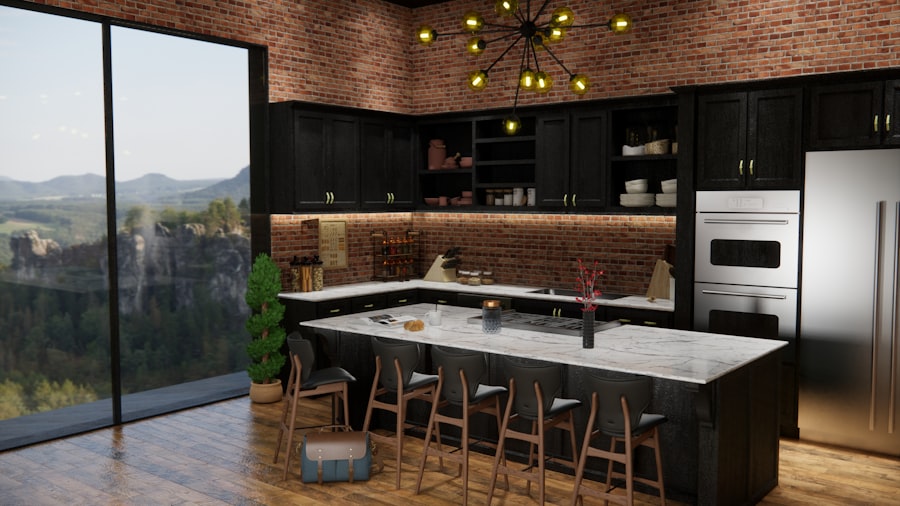
Beyond color, the choice of materials plays a critical role in establishing a natural and serene aesthetic. Materials derived from nature not only align with the color palette but also bring their inherent textures and qualities, enriching the sensory experience of the kitchen.
Wood: The Foundation of Warmth
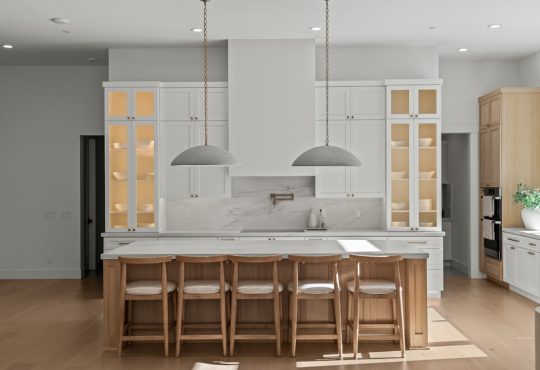
Wood is arguably the most fundamental natural material for a serene kitchen. Its inherent warmth, varied grain patterns, and tactile quality instantly ground a space. Lighter wood tones, such as maple, birch, or white oak, complement a natural palate without overwhelming it. Wood can be incorporated through cabinetry, flooring, countertops, shelving, or even decorative accents like cutting boards and utensils. The choice of finish also matters; a matte or satin finish on wood will feel more natural and less reflective than a high-gloss finish, further contributing to the calming effect. Wood acts as the heartwood of your serene design, radiating gentle warmth.
Stone: Earthy Elegance
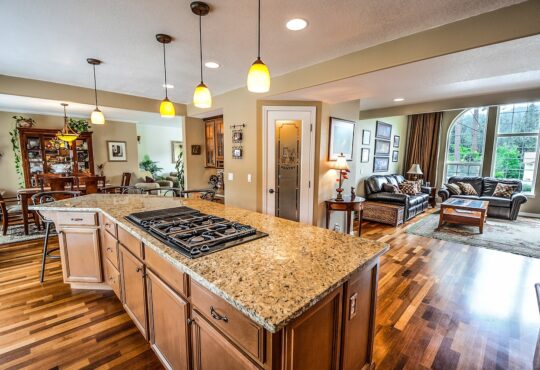
Natural stone, whether granite, marble, quartz, or soapstone, introduces a sense of permanence and organic beauty. Each slab is unique, a testament to geological processes, offering subtle variations in color and veining. Lighter stones, such as cream-colored quartz or a light gray marble, integrate seamlessly into a natural tone scheme. The coolness and solidity of stone provide a pleasant contrast to the warmth of wood. Used for countertops, backsplashes, or flooring, stone elevates the kitchen with an understated elegance. It anchors the space, providing a solid and reassuring presence.
Woven Textures: Adding Depth and Softness
To counteract the sometimes hard surfaces of wood and stone, introduce woven textures. Rattan, wicker, jute, and linen bring a soft, organic dimension. Consider rattan bar stools, wicker pendant lights, a jute rug, or linen dish towels. These materials add visual interest and a tactile softness that enhances the cozy and inviting aspect of a serene kitchen. They act like gentle breezes, softening the edges of the room. Their natural color variations also align perfectly with the overall theme.
Metal Accents: Subtle Sheen
While natural tones are predominant, subtle metallic accents can add a touch of sophisticated refinement without disrupting the serene atmosphere. Brushed brass, matte black, or brushed nickel hardware and fixtures can provide a restrained sparkle. The key is moderation and selecting finishes that are not overly reflective or flashy. These metallic elements should act as quiet punctuations, drawing the eye without shouting. For example, brushed brass cabinet pulls on light wood cabinetry can offer a beautiful, understated contrast.
Strategic Use of Lighting
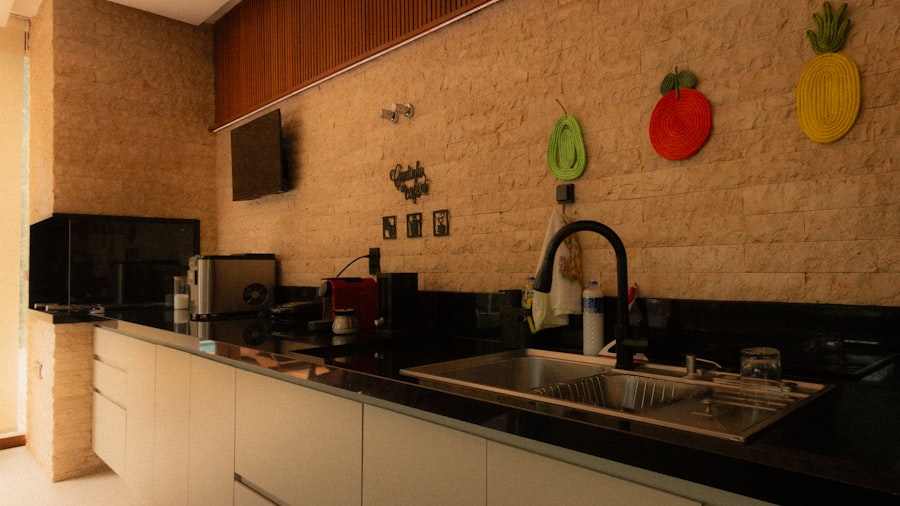
Lighting is not merely functional; it is a design element that profoundly influences the mood and perception of a space. In a serene kitchen, lighting should be layered and thoughtfully designed to enhance the natural tones and create an inviting ambiance.
Maximizing Natural Light
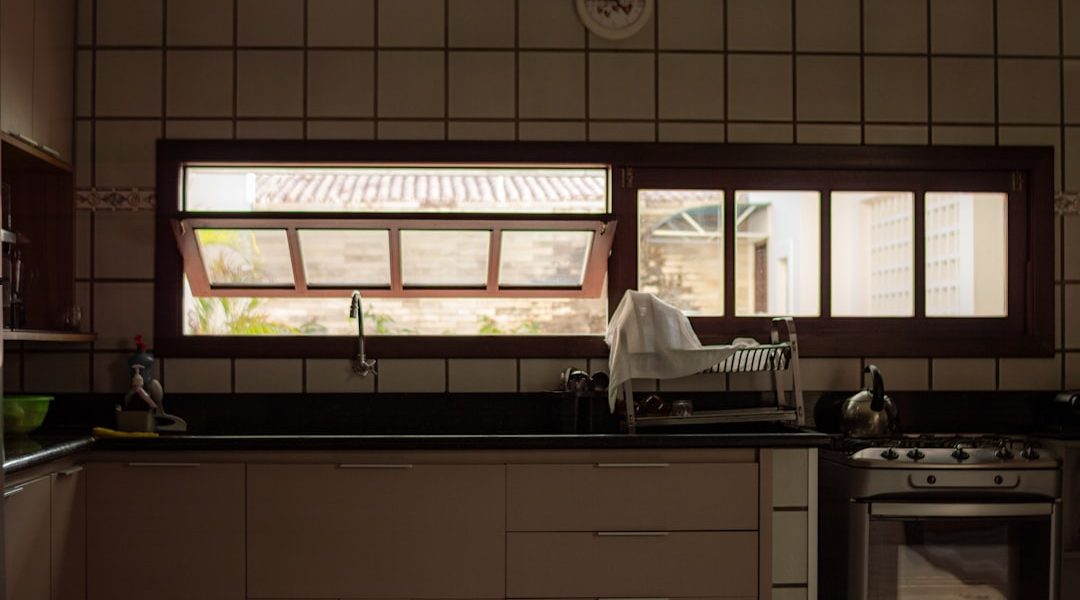
Where possible, prioritize and maximize natural light. Keep windows uncluttered with heavy drapes or blinds. Consider sheer window treatments if privacy is a concern, allowing natural light to filter through gently. The presence of natural light invigorates the natural tones, making them appear more vibrant and dynamic throughout the day. It connects the interior space to the external world, fostering a sense of openness and airiness. Natural light is the breath of the room, filling it with life.
Layered Artificial Lighting
A serene kitchen benefits from a layered lighting scheme. This typically involves three types of lighting: ambient, task, and accent.
- Ambient Lighting: This provides general illumination for the entire space. Dimmable recessed lighting, flush-mount fixtures, or a central pendant light with a diffused glow are good choices. The goal is a soft, even light that avoids harsh shadows.
- Task Lighting: Crucial for functionality, task lighting illuminates work areas like countertops, stovetops, and sinks. Under-cabinet lighting, pendant lights over an island, or adjustable spotlights are effective. The light should be bright enough for practical tasks but should not create glare.
- Accent Lighting: Used to highlight specific features or create visual interest. This could include LED strips inside glass-front cabinets, picture lights over artwork, or small spotlights directed at textured walls. Accent lighting adds depth and allows you to “paint” with light, drawing attention to the beautiful natural materials and textures you’ve incorporated.
Color Temperature of Light
The color temperature of artificial light significantly impacts how natural tones appear. Warmer color temperatures (2700K to 3000K, often labeled “soft white” or “warm white”) are generally preferred for creating a cozy and inviting atmosphere. Cooler temperatures (4000K or higher, “cool white” or “daylight”) can make natural tones appear stark or washed out. Aim for warmth in your overall lighting scheme to complement the natural palette and enhance the serene feeling. The right color temperature wraps the room in a gentle embrace.
Creating a serene kitchen atmosphere with natural tones can greatly enhance your cooking experience and overall well-being. To achieve this calming effect, consider incorporating elements such as soft wood finishes, muted color palettes, and plenty of natural light. For more inspiration on how to harmonize your kitchen with nature, you might find this article on interior design helpful. It offers various tips and ideas that align perfectly with your goal of a tranquil space. You can read more about it here.
Minimalist Decor and Organization
| Element | Description | Example Materials/Colors | Impact on Atmosphere |
|---|---|---|---|
| Wall Colors | Use soft, muted natural tones to create a calming backdrop | Beige, soft taupe, warm gray, sage green | Promotes relaxation and warmth |
| Countertops | Choose natural stone or wood finishes for organic texture | Butcher block, marble, granite in earth tones | Adds tactile warmth and visual interest |
| Cabinetry | Opt for wood or painted cabinets in natural shades | Light oak, walnut, cream, soft green | Enhances natural feel and harmony |
| Lighting | Incorporate warm, soft lighting with natural materials | Woven rattan pendants, warm LED bulbs | Creates cozy and inviting ambiance |
| Accessories | Use natural elements like plants and ceramics | Clay pots, linen towels, wooden bowls | Brings life and texture to the space |
| Flooring | Choose natural wood or stone with warm undertones | Oak hardwood, slate, terracotta tiles | Grounds the space and adds warmth |
A serene kitchen thrives on a sense of order and uncluttered space. Excessive decor or disorganization can quickly undermine the calming effect, regardless of how well the natural tones are implemented. Minimalism in this context is not about austerity, but about intentionality.
Decluttering and Strategic Storage
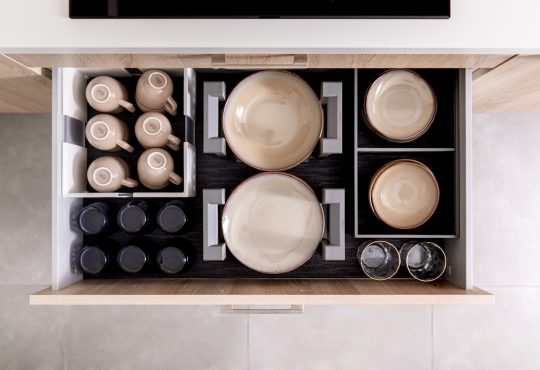
The first step to a serene kitchen is ruthless decluttering. Eliminate unnecessary items, broken appliances, or rarely used gadgets. Every item should have a purpose or bring joy. Once decluttered, invest in strategic storage solutions. Built-in cabinetry, pantry systems, and drawer organizers keep items out of sight, reducing visual noise. Open shelving, if used, should display only aesthetically pleasing and frequently used items, curated with care. Each item should occupy its designated space, like instruments in a well-tuned orchestra.
Intentional Decor Choices
When selecting decor, prioritize quality over quantity. Choose pieces that align with the natural aesthetic – ceramic pottery, wooden bowls, woven baskets, or subtle botanical elements. Avoid harsh colors or busy patterns. A single well-placed piece of art with a natural theme, or a simple vase of fresh greenery, can be more impactful than a multitude of small, disparate items. The decor should whisper, not shout.
Bringing in Nature: Plants and Botanicals
Plants are an invaluable asset in a serene kitchen. They introduce living elements, contribute fresh air, and provide natural pops of green. Consider low-maintenance plants like snake plants, pothos, or herbs like rosemary and basil, which can also be functional. The natural forms and colors of plants seamlessly integrate with the natural tone palette, breathing life into the space. A splash of green is like a whispered poem, connecting the indoor space to the tranquility of the outdoors.
Maintaining Cleanliness and Order
Finally, a serene kitchen requires ongoing maintenance of cleanliness and order. A pristine surface and an organized drawer contribute significantly to the overall feeling of calm. Regular cleaning routines prevent clutter from accumulating and ensure that the efforts invested in color, materials, and lighting are not undone by disarray. A tidy space fosters a tidy mind, making the kitchen truly a haven of peace.
FAQs
What are natural tones in kitchen design?
Natural tones refer to colors inspired by nature, such as soft browns, beiges, greens, and muted grays. These colors create a calming and grounded atmosphere by mimicking elements like wood, stone, and plants.
How can natural tones contribute to a serene kitchen atmosphere?
Natural tones promote relaxation and balance by providing a warm, inviting environment. They reduce visual clutter and create a harmonious space that feels peaceful and comfortable.
What materials work best with natural tones in a kitchen?
Materials like wood, stone, bamboo, and natural fibers complement natural tones well. These materials add texture and depth while maintaining an organic and tranquil aesthetic.
How can lighting enhance a serene kitchen with natural tones?
Soft, warm lighting enhances natural tones by creating a cozy and soothing ambiance. Using natural light during the day and warm LED lights or pendant lamps in the evening helps maintain a calm atmosphere.
Are there specific plants or decor items that support a natural tone kitchen?
Yes, incorporating indoor plants such as herbs, succulents, or ferns adds greenery and life to the space. Simple decor items made from natural materials like ceramic, wood, or woven baskets also enhance the serene, natural feel.