More calm in the home arises when your kitchen is smartly organized
A well-organized kitchen functions as a central hub in the home where cooking takes place and family members gather. Kitchen organization provides practical benefits beyond visual appeal, including improved efficiency, enhanced safety, and greater cooking enjoyment. Disorganized kitchens create obstacles such as frustration, time loss, and potential hazards.
When cooks must search for specific ingredients or tools, it interrupts meal preparation and causes delays. In contrast, an organized kitchen enables efficient cooking, with all items readily available and easy to locate. An organized kitchen also supports healthier dietary choices.
When ingredients are arranged clearly and visible, people tend to select fresh produce instead of processed alternatives. A well-organized pantry can stimulate meal planning creativity, motivating home cooks to prepare new recipes rather than relying on takeout options. Additionally, a clean and orderly kitchen creates a sense of accomplishment and responsibility, encouraging individuals to maintain these standards.
This type of environment improves the cooking experience and creates a more welcoming space for family and guests.
Key Takeaways
- A well-organized kitchen enhances cooking efficiency and reduces stress.
- Efficient organization involves decluttering, categorizing, and strategic storage.
- Space-saving solutions like vertical racks and pull-out shelves maximize kitchen capacity.
- Functional layouts prioritize accessibility and workflow for a smoother cooking experience.
- Smart technology and consistent maintenance help sustain a clean, clutter-free kitchen.
Tips for Efficient Kitchen Organization
To achieve an efficient kitchen organization system, one must first assess the current layout and identify areas that require improvement. Start by decluttering; remove items that are no longer used or needed. This process can be liberating, as it clears out space for essential tools and ingredients.
Once decluttering is complete, categorize items based on their function. For example, group baking supplies together, keep cooking utensils in one area, and store pots and pans in a designated cabinet. This categorization not only simplifies the cooking process but also makes it easier to locate items quickly.
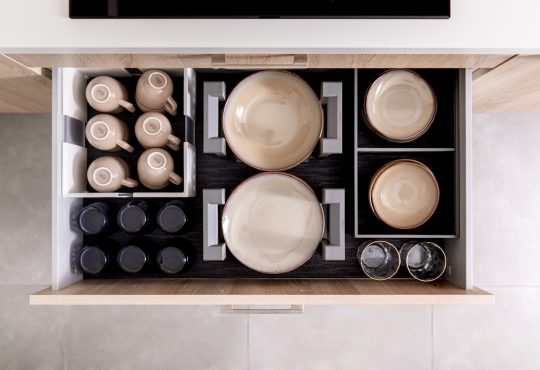
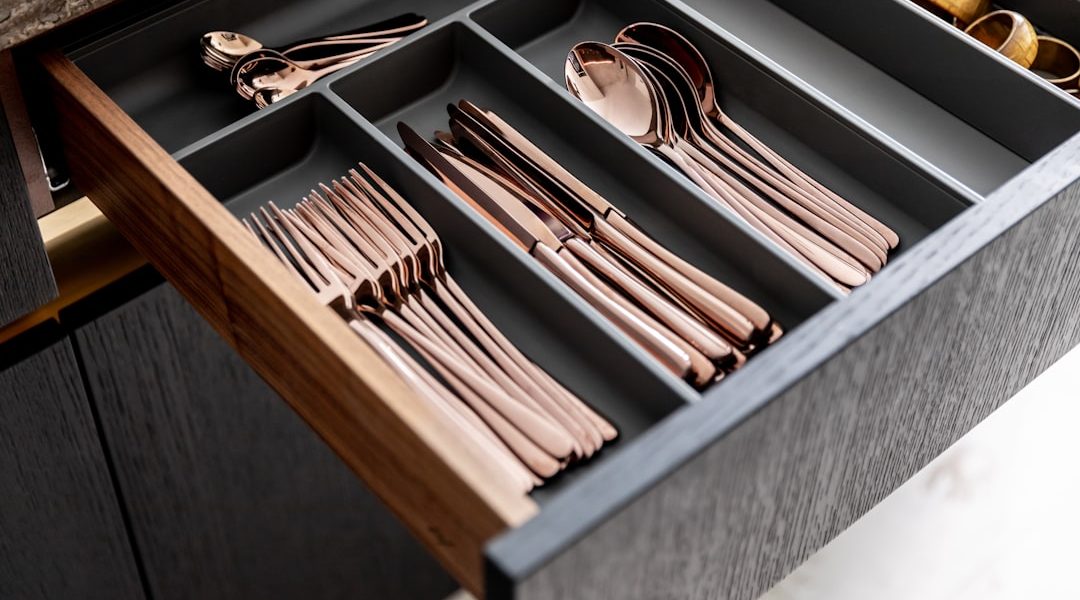
Another effective tip is to utilize drawer dividers and shelf organizers. These tools can help maximize space and keep similar items together. For instance, using a tiered shelf in a cabinet can create additional levels for storing spices or canned goods, making them more visible and accessible.
Additionally, consider labeling containers and shelves to further streamline the organization process. Labels provide clarity and ensure that everyone in the household knows where items belong, reducing the likelihood of clutter reaccumulating.
Utilizing Space-Saving Storage Solutions
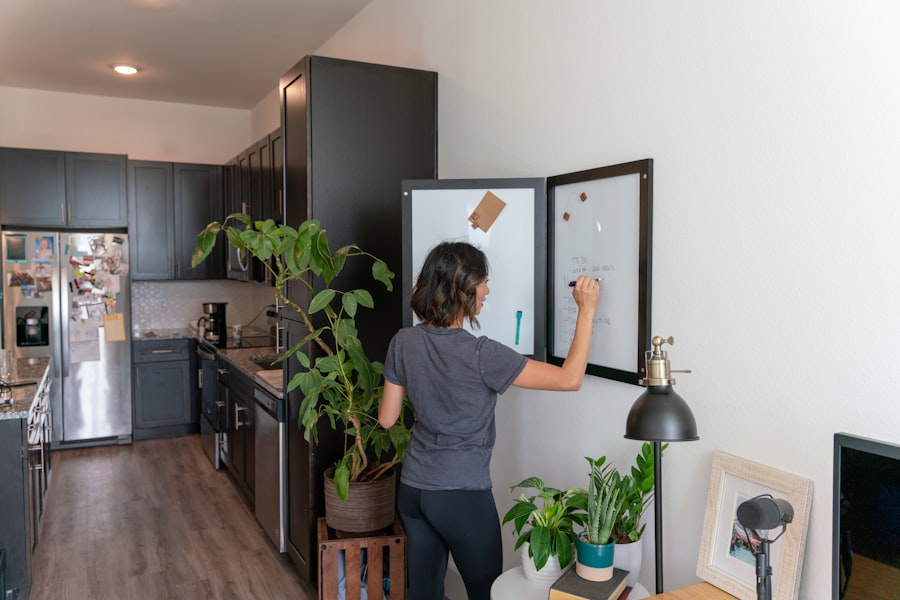
In many homes, kitchens are often limited in space, making it essential to utilize every inch effectively. Space-saving storage solutions can transform even the smallest kitchens into functional culinary havens. One popular method is to install vertical storage options such as wall-mounted shelves or pegboards.
These solutions not only free up counter space but also allow for easy access to frequently used items like pots, pans, and utensils. By taking advantage of vertical space, homeowners can create an organized display that is both practical and visually appealing. Another innovative approach is to use multi-functional furniture or appliances.
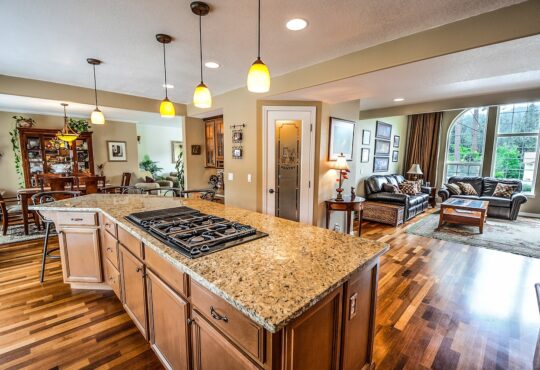
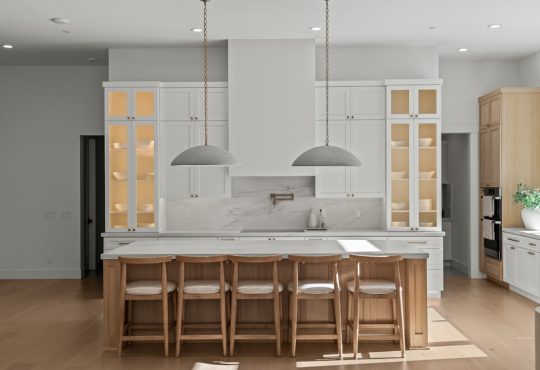
For example, a kitchen island with built-in storage can serve as both a prep area and a place to store cookbooks or small appliances. Similarly, collapsible tables or foldable chairs can be tucked away when not in use, maximizing floor space during busy cooking sessions or gatherings. Additionally, consider using under-shelf baskets or pull-out drawers in cabinets to make the most of deep spaces that often go unused.
These solutions not only enhance storage capacity but also contribute to a more streamlined kitchen environment.
Creating a Functional and Accessible Kitchen Layout
The layout of a kitchen plays a crucial role in its functionality and accessibility. A well-thought-out design can significantly enhance the cooking experience by ensuring that everything is within reach when needed. The classic work triangle concept—comprising the stove, sink, and refrigerator—remains a fundamental principle in kitchen design.
This layout minimizes unnecessary movement by placing these three key areas in close proximity to one another, allowing for efficient meal preparation. In addition to the work triangle, consider the flow of movement within the kitchen. Ensure that there is ample space between countertops and appliances to allow for easy navigation while cooking.
An open layout can facilitate interaction among family members or guests while meals are being prepared. Furthermore, incorporating accessible storage solutions such as pull-out shelves or lazy Susans can make it easier to reach items without straining or bending down excessively. By prioritizing functionality in the kitchen layout, homeowners can create an inviting space that encourages culinary exploration.
Implementing Time-Saving Organization Systems
| Metric | Before Smart Kitchen Organization | After Smart Kitchen Organization | Impact on Calmness |
|---|---|---|---|
| Time Spent Searching for Items (minutes/day) | 15 | 5 | ↓ 67% less time, reducing frustration |
| Number of Kitchen Clutter Spots | 7 | 2 | ↓ 71% clutter, promoting a peaceful environment |
| Frequency of Kitchen-Related Arguments (per week) | 3 | 1 | ↓ 67% conflicts, enhancing calmness |
| Stress Level (Self-Reported Scale 1-10) | 7 | 3 | ↓ 57% stress, improving overall mood |
| Meal Preparation Time (minutes) | 40 | 25 | ↓ 38% time, making cooking more enjoyable |
Time-saving organization systems are essential for busy households where every minute counts during meal preparation. One effective strategy is to create meal prep stations that streamline the cooking process. Designate specific areas for chopping vegetables, marinating proteins, or assembling ingredients for quick access during busy weeknights.
By having all necessary tools and ingredients within arm’s reach at these stations, cooks can significantly reduce the time spent searching for items. Another time-saving technique involves batch cooking and meal planning. By dedicating a few hours each week to prepare meals in advance, individuals can save time during hectic weekdays.
Organizing prepped ingredients in clear containers allows for easy identification and access when it’s time to cook. Additionally, consider using a whiteboard or digital app to keep track of meal plans and grocery lists. This proactive approach not only saves time but also minimizes food waste by ensuring that ingredients are used before they spoil.
Maintaining a Clean and Clutter-Free Kitchen
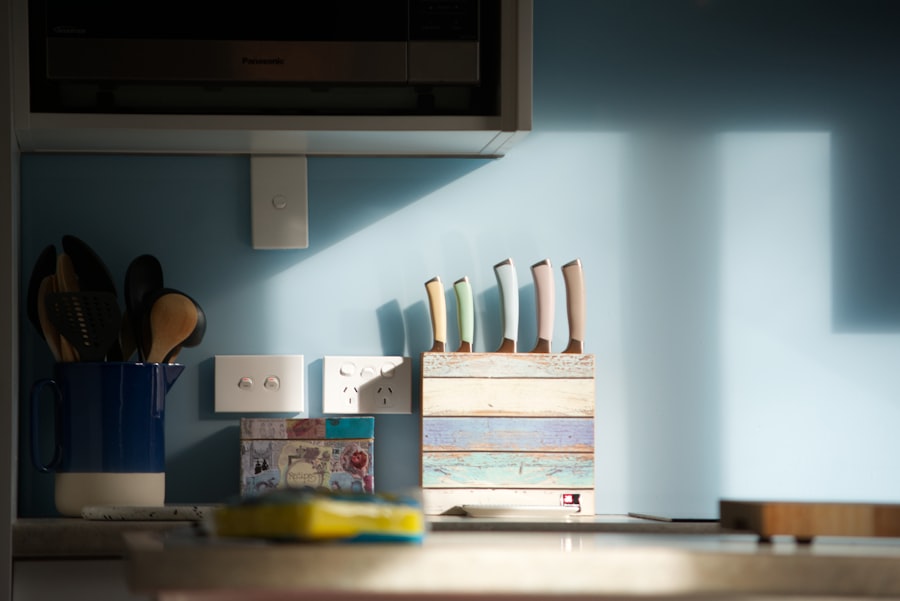
A clean kitchen is essential for both hygiene and efficiency in meal preparation. Establishing a routine for maintaining cleanliness can prevent clutter from accumulating over time. One effective method is the “one in, one out” rule: for every new item brought into the kitchen, an old item should be removed.
This practice helps keep the kitchen from becoming overcrowded with gadgets or utensils that are rarely used. Incorporating daily cleaning habits can also contribute to a clutter-free environment. For instance, washing dishes immediately after use rather than letting them pile up can save time and effort later on.
Additionally, wiping down countertops and surfaces after each meal preparation session helps maintain cleanliness and prevents the buildup of grime or bacteria. Regularly scheduled deep cleaning sessions—such as monthly pantry organization or quarterly appliance maintenance—can further ensure that the kitchen remains a welcoming space for cooking and gathering.
Incorporating Smart Technology for Kitchen Organization
The integration of smart technology into kitchen organization has revolutionized how we manage our culinary spaces. Smart appliances such as refrigerators equipped with touch screens can help keep track of inventory by notifying users when items are running low or nearing expiration dates. This feature not only aids in meal planning but also reduces food waste by encouraging timely usage of perishable items.
Moreover, smart home assistants can play a pivotal role in organizing kitchen tasks. Voice-activated devices can set timers for cooking or remind users of upcoming meal prep tasks while allowing hands-free operation during busy cooking sessions. Additionally, smart kitchen scales can provide precise measurements for recipes while tracking nutritional information simultaneously.
By embracing these technological advancements, homeowners can enhance their kitchen organization systems while enjoying greater convenience in their culinary endeavors.
Enjoying the Benefits of a Well-Organized Kitchen
The benefits of a well-organized kitchen extend far beyond mere aesthetics; they encompass improved efficiency, enhanced creativity, and increased enjoyment in cooking. When everything is in its rightful place, individuals can focus on what truly matters: preparing delicious meals for themselves and their loved ones. The reduction of stress associated with searching for misplaced items allows for a more enjoyable cooking experience.
Furthermore, an organized kitchen fosters healthier eating habits by making fresh ingredients more accessible and visible. This accessibility encourages individuals to experiment with new recipes and explore diverse cuisines rather than relying on convenience foods or takeout options. Ultimately, the investment of time and effort into organizing a kitchen pays off in numerous ways—creating not just a functional space but also a nurturing environment where culinary passions can thrive and memories are made around shared meals.
Creating a calm and organized kitchen can significantly enhance the overall atmosphere of your home. For those looking to incorporate sentimental items into their home decor, a well-organized kitchen can serve as a perfect backdrop for displaying cherished memories. You can find helpful tips on this topic in the article Learn How to Incorporate Sentimental Items into Home Decor with Ease and Style. By combining smart organization with personal touches, you can create a space that is both functional and meaningful.
FAQs
Why does a smartly organized kitchen contribute to a calmer home environment?
A smartly organized kitchen reduces clutter and makes it easier to find items quickly, which minimizes stress and creates a more peaceful atmosphere in the home.
What are some key elements of a smartly organized kitchen?
Key elements include designated storage spaces for utensils and appliances, clear labeling, efficient use of cabinet and counter space, and maintaining cleanliness and order.
How can organizing the kitchen improve daily routines?
An organized kitchen streamlines meal preparation and cleanup, saving time and reducing frustration, which leads to smoother daily routines.
Does a smart kitchen organization impact family interactions?
Yes, a well-organized kitchen can encourage more family involvement in cooking and mealtime, fostering better communication and a more harmonious home environment.
What tools or products help in smart kitchen organization?
Tools such as drawer dividers, shelf risers, clear storage containers, lazy Susans, and labeling systems help maximize space and keep items orderly.
How often should a kitchen be reorganized to maintain calmness?
Regular maintenance, such as weekly tidying and seasonal decluttering, helps sustain an organized kitchen and the calm it brings to the home.
Can technology assist in creating a smartly organized kitchen?
Yes, smart appliances, inventory apps, and digital meal planners can enhance kitchen organization and efficiency, contributing to a calmer household.